
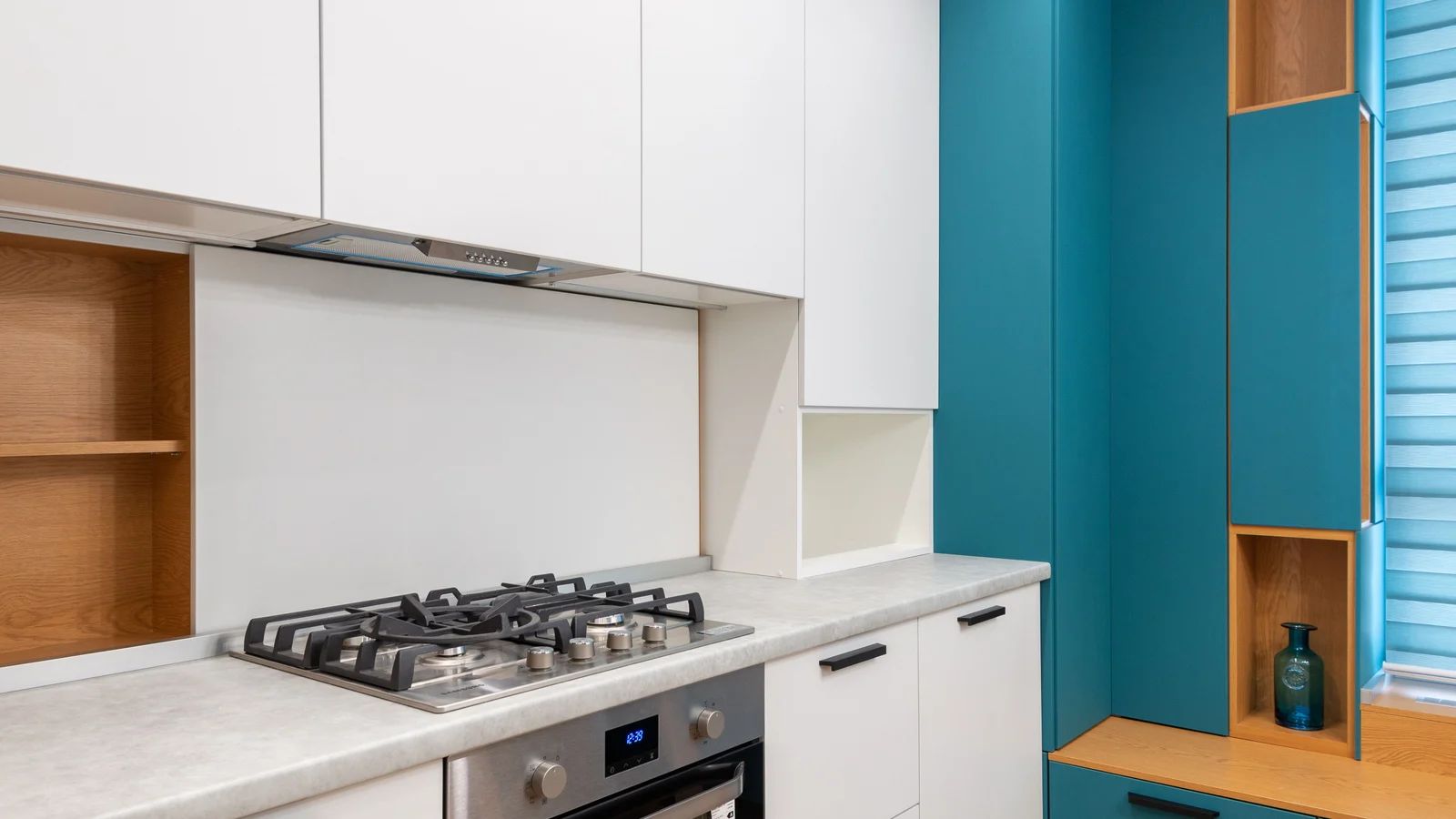
A burner that ignites and an oven that heats have passed only the first part of the check. Buyers still need to separate burner operation, oven temperature, mounting, the applicable anti-tip device, and gas or electrical connections.
Some findings are a missing knob. Others involve gas, safety or cabinet work. During the option period, the difference matters more than a vague promise that the seller will “fix the stove.”
What does a standard Texas inspection cover?
Current Texas Real Estate Commission minimum standards require inspectors to report inoperative units, missing or damaged components, combustible material within 30 inches above cooktop burners, an absent anti-tip device when applicable, appliance gas leaks, and deficiencies in thermostat accuracy, mounting or performance. For oven temperature, the stated benchmark is within 25°F of a 350°F setting.
This remains a limited visual survey and basic performance evaluation. It describes observable condition at the inspection; it does not predict remaining appliance life or require disassembly of the entire range.
Separate the inspection into seven checks
1. Test every burner individually
Do not stop after lighting the nearest burner. Confirm that every gas burner ignites and responds to control changes, or that every electric cooking zone heats. One failed position can point to an igniter, knob, switch or heating-element problem even when the others work.
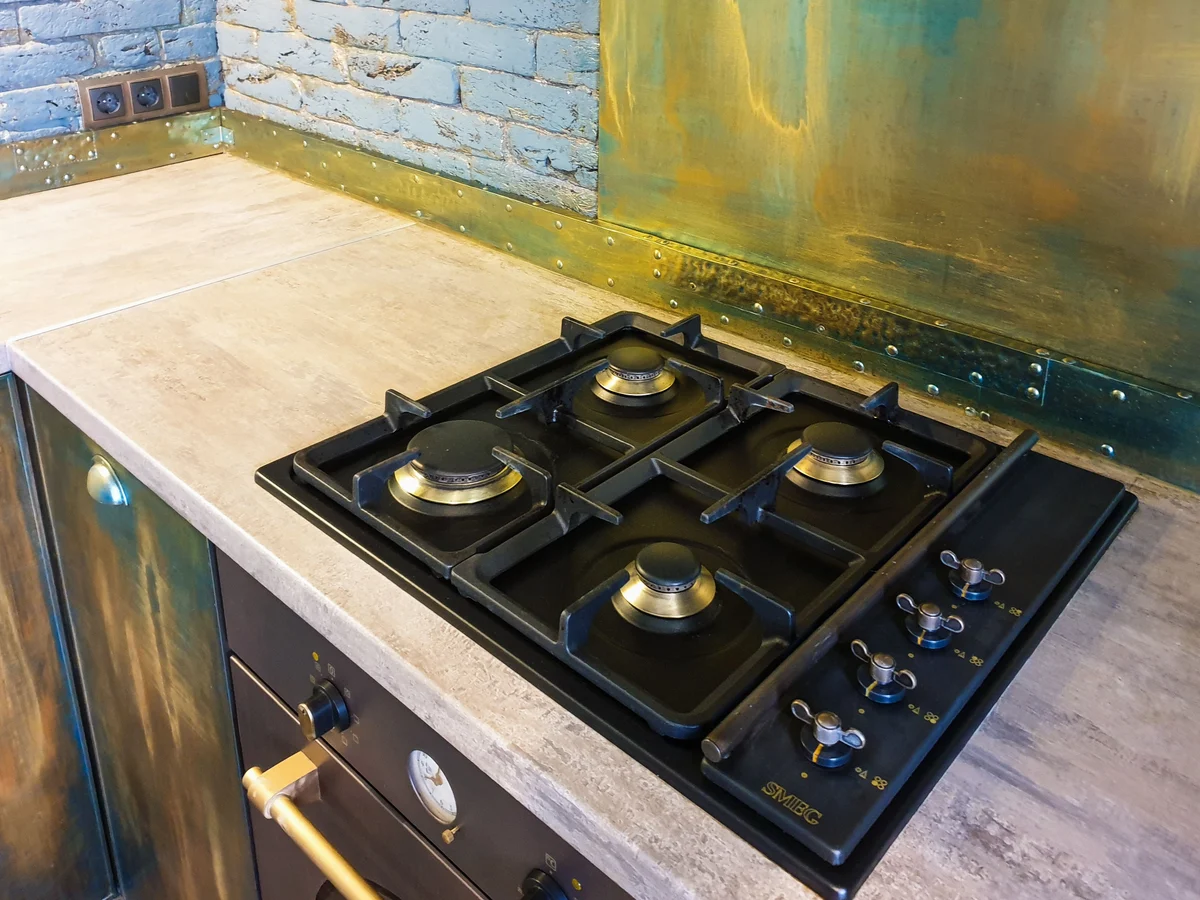
This real photograph identifies burners, grates and controls that should be checked individually. It is not presented as a code-compliant example for every model or installation.
2. Observe operation after ignition
Repeated clicking, unstable operation, loose controls or unusual behavior after shutdown should be documented. Do not disassemble burners, move the appliance or adjust valves to investigate during a showing. If gas odor is present, stop testing.
3. An oven that gets hot can still be inaccurate
A light, fan and warm cavity show only that some functions started. Texas standards specifically address thermostat accuracy: at a 350°F setting, the temperature should be within 25°F. A larger difference may call for calibration or evaluation of the sensor or controls.
4. Verify the anti-tip device when applicable
Applicable freestanding ranges use an anti-tip bracket or specified restraint so the rear foot or body remains secured. On some models, a removable storage drawer allows a flashlight view of the rear foot in the bracket; other models require a manufacturer-specific method. Do not pull or tilt a range yourself during a showing—use the inspector or an appropriate professional.
5. Record missing and damaged components
Common findings include absent racks, knobs, burner caps or fasteners, plus loose hinges, cracked glass, damaged seals and unstable grates. A small part may sound inexpensive, but older-model parts can be hard to source. Record the model before deciding how to negotiate.
6. Do not estimate overhead clearance by eye
TREC standards call for reporting combustible material within 30 inches above cooktop burners. Low wood cabinets or decorative surfaces can turn an appliance issue into cabinet, hood or installation work. Review the range-hood installation and exhaust at the same time.
7. Treat gas and electrical connections as a separate layer
For gas equipment, visible shutoff, connector and leak concerns matter in addition to appliance operation. For electric equipment, visible power, receptacle or wiring issues deserve separate review. Buyers should not move a heavy appliance, operate unfamiliar gas valves or open wiring. Route gas, burning odor, breaker-trip and connection findings to the appropriate qualified professional.
I sort option-period findings into three levels
Level one: knobs, racks, bulbs or a single igniter—define the part and confirm that it is available.
Level two: oven temperature, door hinge, seal, mounting or heating-element problems—get an appliance repair opinion on repair versus replacement.
Level three: gas leaks, a missing applicable anti-tip device, repeated breaker trips, inadequate combustible clearance or deficient connections—define the safety and correction scope first.
Price appliance repair, full replacement, gas or electrical correction, and cabinet or ventilation work separately. The real negotiation question is often whether a new appliance can be installed directly or the surrounding area must change too.
A five-step buyer checklist
Photograph the brand, model, appliance style and energy source.
Have the inspector operate each burner and normal controls and document ignition, temperature, missing parts and unusual behavior.
Confirm the applicable anti-tip device without pulling or tipping the range yourself.
Review overhead clearance, the range hood and visible gas or power connections together.
Separate small parts, appliance repair and specialty correction before choosing repair, credit or as-is acceptance.
Frequently asked questions
Can testing continue if you smell gas?
No. Do not keep igniting burners or operate electrical switches. Leave the hazard area and contact the gas utility, fire department or emergency services as the conditions require. An inspection report is not emergency leak response.
Does every range need the same anti-tip bracket?
No. TREC uses “if applicable,” and the correct restraint depends on appliance type, model and installation instructions. A built-in cooktop and a freestanding range are not secured the same way.
Will a home inspection run the self-clean cycle?
Do not assume it will. A standard inspection focuses on basic performance under normal controls and observable condition. Confirm the inspector’s exact scope rather than treating a high-temperature cleaning cycle as included.
If an old oven meets the temperature check, does it not need replacement?
No. That result covers one performance measure at the time of inspection. Appliance age, repair history, parts availability and your expected use still affect the replacement reserve.
Related inspection guides
Range findings often overlap with ventilation, wiring and fuel safety. Continue with the range hood inspection guide, electrical panel and wiring checklist and smoke and carbon monoxide alarm guide.
Sources and image note
Primary sources: current Texas Real Estate Commission inspection standards, Whirlpool anti-tip bracket guidance and the U.S. Consumer Product Safety Commission range tip-over safety alert. Sources checked October 31, 2026.
The cover is a real kitchen photograph by Max Vakhtbovych and the inline image is by Алексей Вечерин, both from Pexels (cover source page; inline source page) under the Pexels License. Images were cropped, resized and compressed only; no generative edits were used.
Joyce's Featured Listings

A new-looking kitchen does not prove that its range, oven and surrounding installation are right. Browse Joyce's Featured Listings, then use this checklist on homes that fit your plans.
View Joyce's Featured Listings
Not sure how to negotiate a range or oven finding?
Send me the property address, appliance model, site photos and the relevant inspection pages. I can help separate a small part, appliance repair and specialty review before you decide how to respond during the option period.
About Joyce Tang

Joyce Tang is a Greater Houston real estate agent and investor, co-founder of the North American Real Estate Association, founder of JoyHome and JoyNest, and co-leader of the Dr. Wang Real Estate Team.
She has helped more than 200 families buy or sell homes and has participated in more than 40 renovation projects. Her approach examines not only price, but also location, carrying cost, cash flow, risk and future exit options.
Important notice
This article provides general home-purchase and residential-appliance information. It is not inspection, gas, electrical, fire-safety, construction or legal advice and does not replace a property-specific opinion from a licensed inspector or appropriate qualified professional. Stop testing and seek emergency or professional help as conditions require when gas odor, burning odor, sparks or repeated breaker trips are present.