
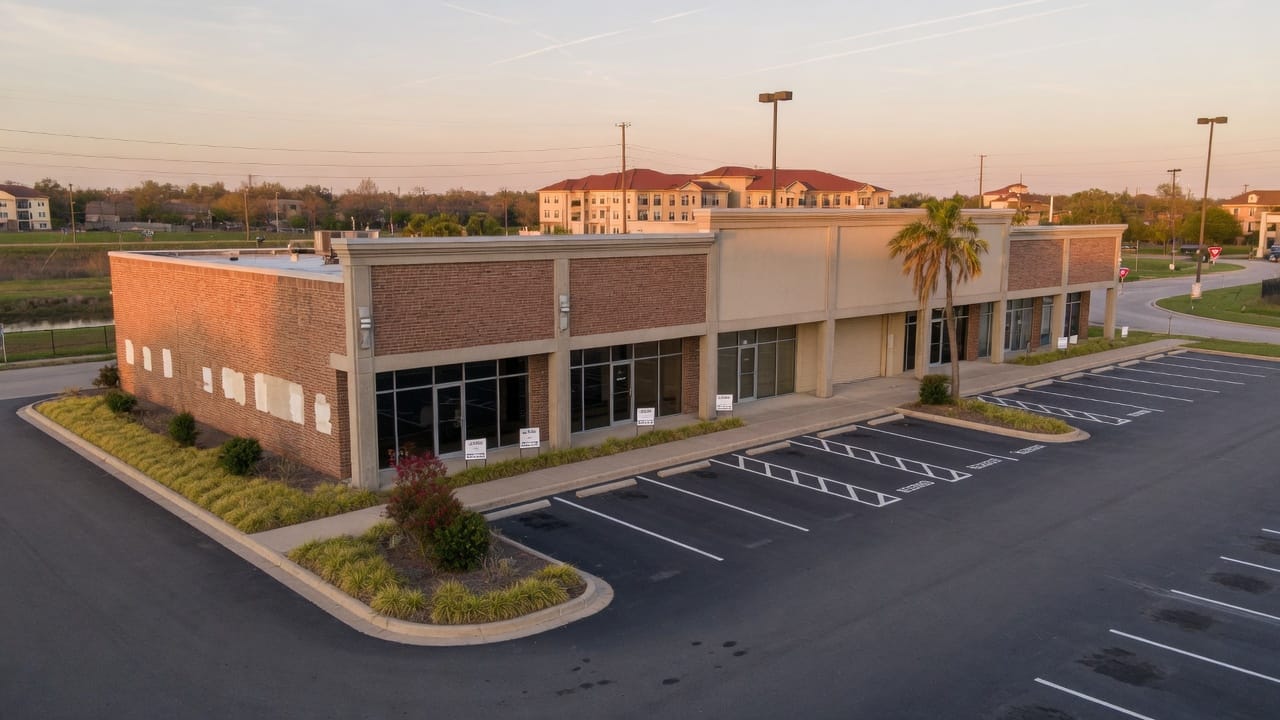
Selling a commercial property starts with identifying the most likely buyer and preparing the information that buyer will need. An owner-user, an investor, and a redevelopment buyer can value the same property differently, so pricing and marketing should follow the asset's actual income, occupancy, condition, and use potential.
If you are considering a sale, submit the property address for a sale strategy review, and have current occupancy, lease information, and target timing ready.
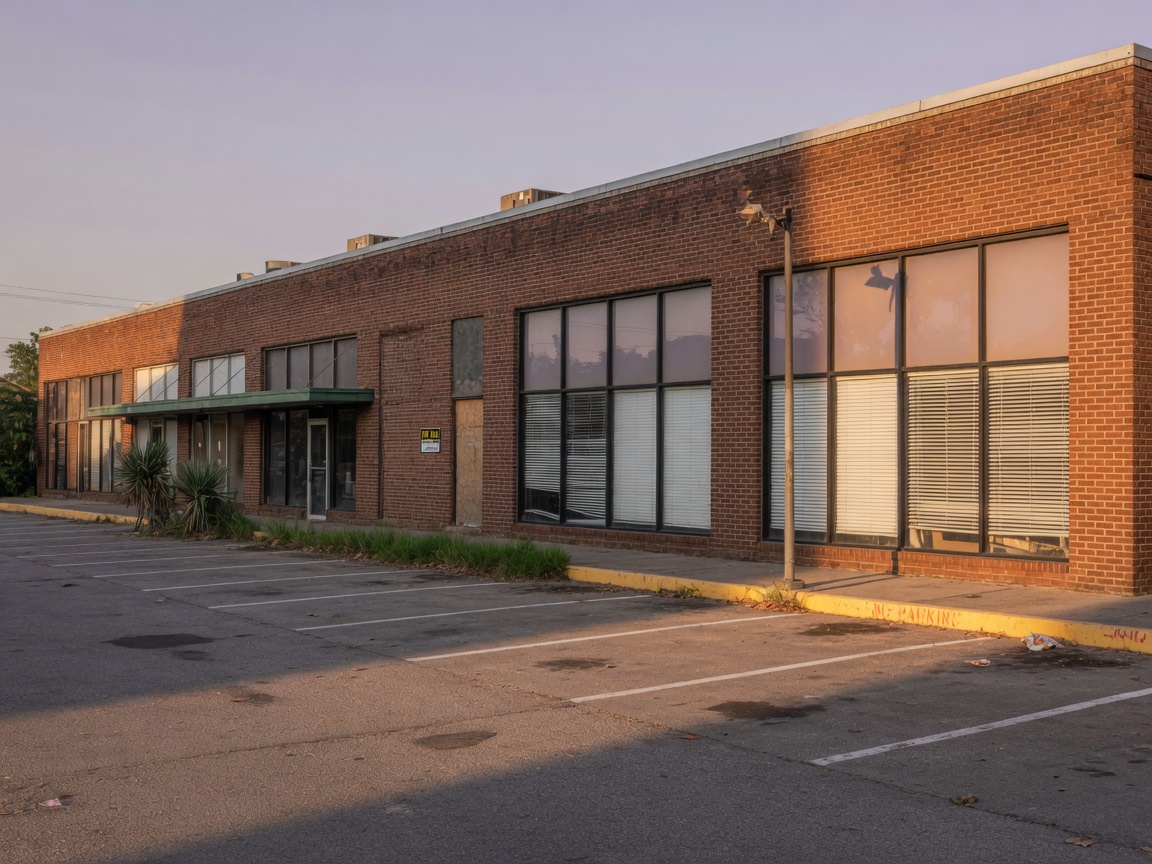
Identify the likely buyer first
The best positioning depends on who can make the strongest use of the property. I look at the likely buyer pool before deciding how the property should be presented.
- Owner-users usually focus on permitted use, location, access, parking, loading, utilities, condition, and the cost of adapting the building.
- Investors usually focus on net operating income, occupancy, rent roll, lease quality, tenant credit, capital needs, and future resale liquidity.
- Redevelopment or value-add buyers may focus more on land, zoning, access, expansion potential, deferred maintenance, and the cost and timing of repositioning.
How Joyce supports a commercial sale
- Clarify the owner's goals, preferred timing, confidentiality needs, and whether another purchase or a potential 1031 exchange affects the plan.
- Organize the property story around leases, income and expenses, occupancy, condition, location, and realistic buyer demand.
- Review relevant market evidence and income factors to help set a defensible asking strategy; a licensed appraiser should provide any formal appraisal.
- Prepare the marketing package and choose an appropriate mix of public exposure, targeted outreach, and confidential buyer contact.
- Screen inquiries for intended use, financial capacity, financing path, timing, and fit before sensitive information is released.
- Coordinate offers, business-term negotiations, due diligence, title, lender requests, and the closing timeline.
What drives value
- Net operating income, expense history, and the reliability of the supporting records.
- Rent roll, remaining lease term, renewal options, tenant credit, concessions, and below- or above-market rent.
- Occupancy, downtime risk, leasing costs, and the amount of space a buyer may need to reposition.
- Roof, HVAC, structure, paving, drainage, utilities, environmental condition, and other near-term capital needs.
- Permitted use, access, visibility, parking, loading, surrounding development, deed restrictions, flood exposure, insurance, and title matters.
What to prepare
- Current rent roll, signed leases, amendments, options, deposits, and any tenant correspondence that affects the transaction.
- Recent operating statements, property tax bills, insurance information, utility costs, and major service contracts.
- Records for roof, HVAC, repairs, improvements, warranties, permits, code matters, and known deferred maintenance.
- Available surveys, plans, title documents, environmental reports, zoning or use information, and prior inspection material.
- A list of personal property, exclusions, open claims, liens, or other items that should be addressed before marketing.
Frequently asked questions
Does a commercial property have to be publicly listed?
No. Some owners benefit from broad market exposure, while others need a more confidential process because of tenants, employees, customers, or business operations. The tradeoff is reach: a private campaign may protect confidentiality but can reduce the number of buyers who see the opportunity.
Can a vacant property be sold?
Yes. A vacant building may appeal to an owner-user or a value-add buyer, but the analysis shifts from current income to permitted use, condition, renovation cost, market rent, carrying cost, and time to occupancy or lease-up.
What if the sale is part of a 1031 exchange?
Tell the transaction team early. Joyce can coordinate the real estate sale and the search for a replacement property, but eligibility, deadlines, entity structure, and exchange funds must be handled with a qualified intermediary, CPA, and attorney.
Related commercial services
Buy commercial property · Landlord representation
Next step
Share the property address, occupancy, rent roll, income and expense information, known capital needs, and preferred timing. Joyce can then help identify the likely buyer, the preparation priorities, and a practical marketing path.
Submit the Property Address for a Sale Strategy Review
This page provides general real estate information, not an appraisal, legal advice, tax advice, engineering advice, or environmental advice. Property value, market timing, and transaction results depend on the specific asset, records, buyer demand, financing, inspections, and negotiated terms.
About Joyce Tang

Joyce Tang is a Greater Houston real estate agent and investor, co-founder of the North American Real Estate Association, founder of JoyHome and JoyNest, and co-leader of the Dr. Wang Real Estate Team.
She has helped more than 200 families buy or sell homes and has participated in more than 40 renovation projects. Her approach examines not only price, but also location, carrying cost, cash flow, risk and future exit options.