
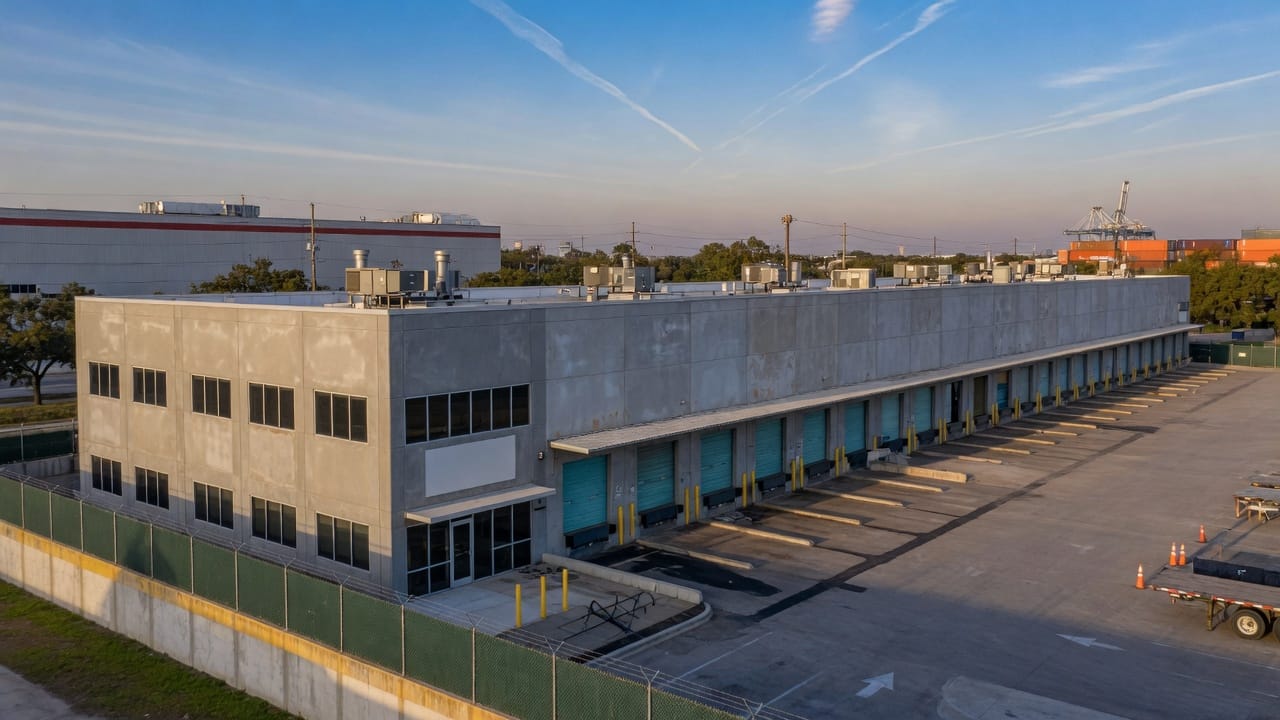
When I represent a commercial tenant in Houston, my goal is not to tour the most spaces in one day. I care whether the location supports operations, employees and customers, and whether rent, improvements, operating expenses and future flexibility add up.
If you are opening, renewing, relocating, expanding, or downsizing, submit your commercial space requirements with the use, size, target area, and desired occupancy date.
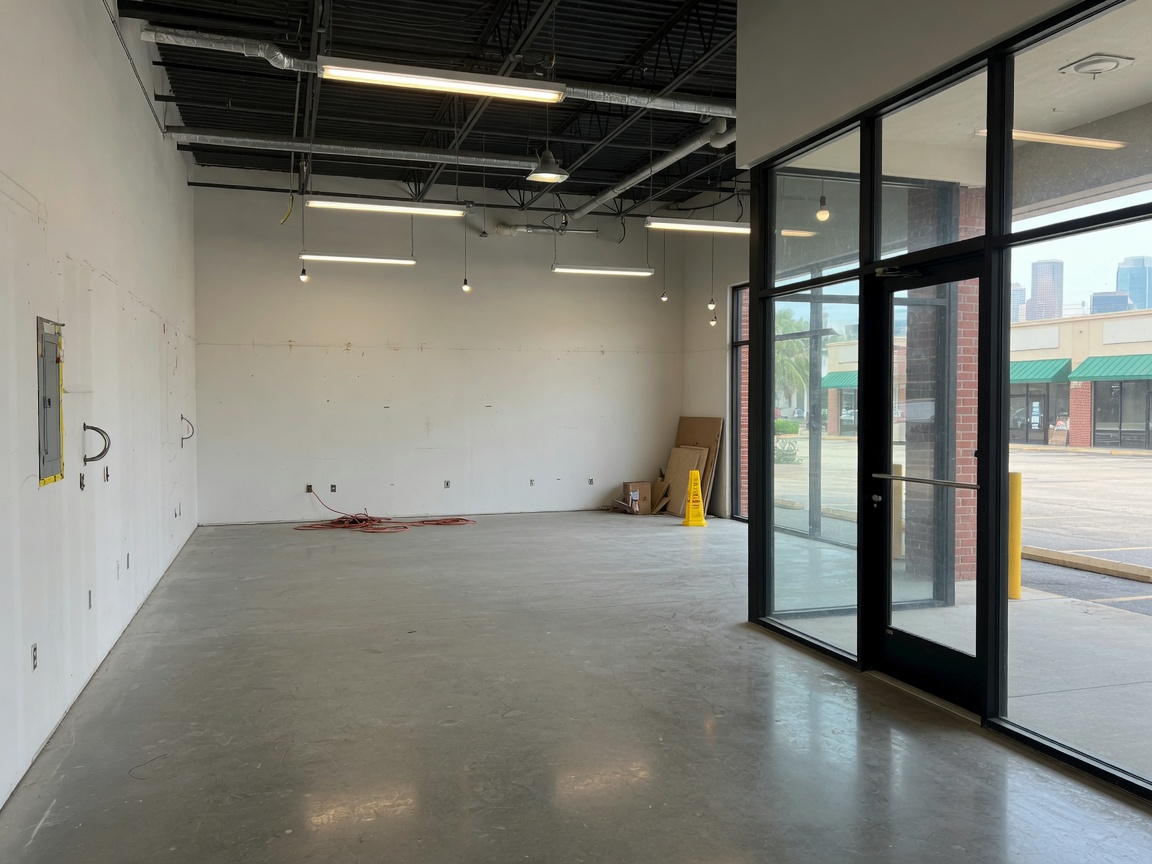
What matters by property type
- Retail: visibility, customer access, parking, signage, competition, and permitted use.
- Industrial and flex: clear height, loading, power, truck circulation, office ratio, and outside storage.
- Office and medical: location, parking, building quality, HVAC hours, patient or employee flow, and build-out condition.
How Joyce supports a tenant search
- Build a requirement brief around use, size, headcount, facility needs, budget, and timing.
- Research current, upcoming, and appropriate off-market availability, then create a shortlist.
- Tour and compare each option under the same criteria instead of relying on finish quality or face rent.
- Compare base rent, NNN or operating expenses, free rent, tenant-improvement dollars, moving cost, and restoration obligations.
- Support business-term and LOI negotiations while coordinating lease review, build-out, and delivery with attorneys and other professionals.
What belongs in total occupancy cost
- Base rent and annual escalations.
- NNN, CAM, taxes, insurance, and other pass-throughs.
- Build-out, furniture, equipment, moving, and business-interruption costs.
- Deposit, guaranty, free rent, and landlord improvement allowance.
- Renewal, expansion, assignment, sublease, termination, and restoration rights or obligations.
What to prepare
Share the business use, preferred area, size range, parking or loading needs, budget, desired occupancy date, and the expiration and option dates in any current lease.
Frequently asked questions
What is the difference between a gross lease and NNN?
A gross structure generally includes more operating costs in rent. Under NNN, the tenant generally pays additional taxes, insurance, and operating expenses. Houston industrial and retail leases often use NNN structures, but every proposal must be compared on total cost and obligations.
Who pays for the build-out?
It depends on delivery condition, term, tenant credit, and negotiation. A tenant-improvement allowance may not cover the full project, so budget, schedule, payment mechanics, and overruns should be understood before signing.
How is tenant representation compensated?
Representation, services, and compensation should be explained before tours and negotiations and documented in the applicable agreement. Joyce will clarify the arrangement at the start rather than rely on a blanket “free” promise.
Related commercial services
Buy commercial property · Sell commercial property · Landlord representation
Next step
Share the size, use, target area, budget, and move-in date. Joyce will build the requirement brief before deciding whether to renew, relocate, or buy.
Submit Your Commercial Space Requirements
Joyce Tang is a Houston real estate agent and investor, co-founder of the North American Real Estate Association, founder of JoyHome and JoyNest, and co-leader of the Dr. Wang Real Estate Team. She serves Houston and Texas commercial real estate clients locally, from other states, and internationally in English and Chinese.