
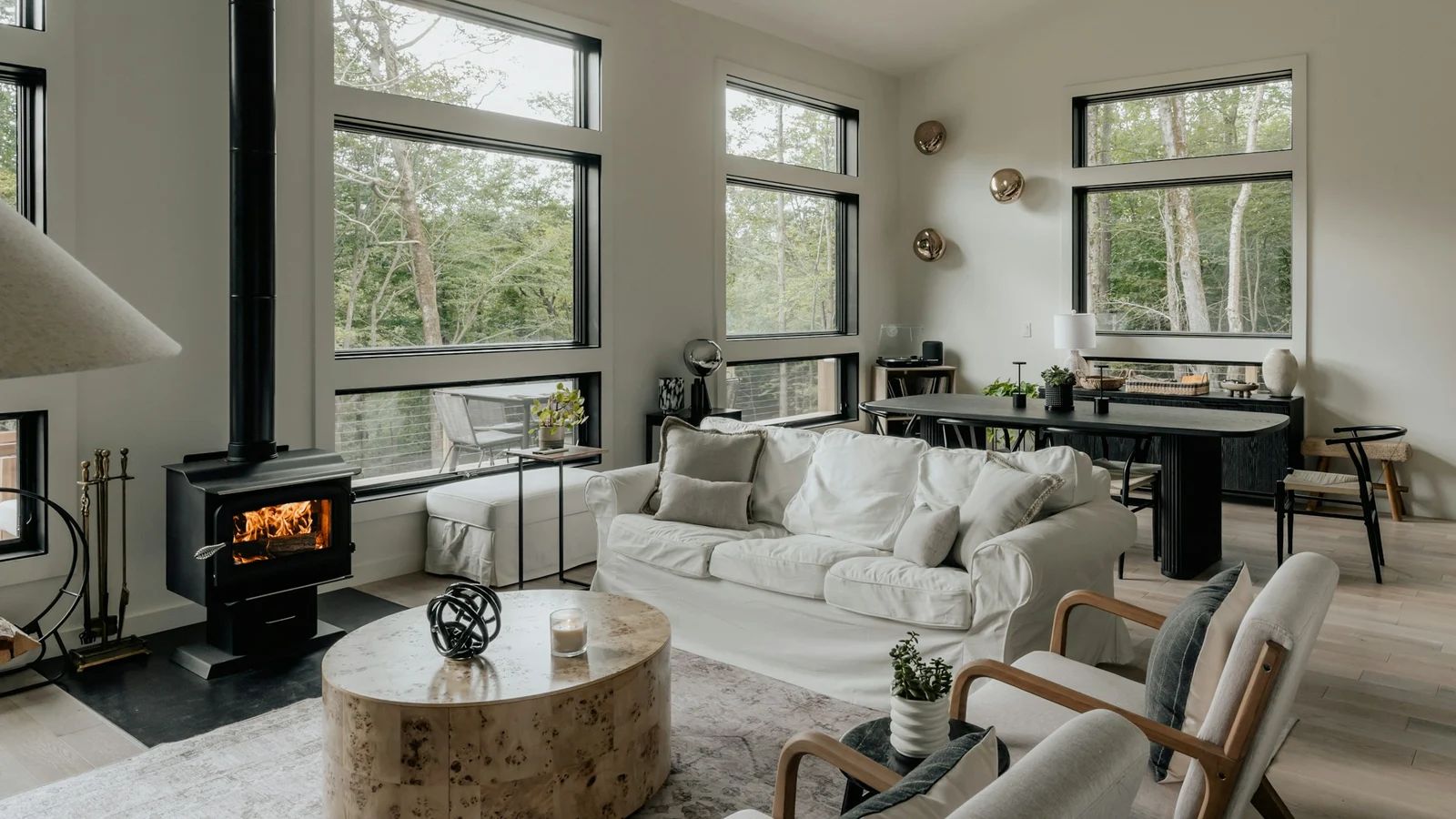
A fireplace that lights proves only that it started at that moment. It does not prove the flue is intact, the draft is adequate, the gas connection is safe or the exterior chimney is sound. Start with the standard home inspection, then add a chimney professional during the option period when the home is older, service history is unclear or the report shows cracking, buildup, moisture or venting concerns.
In Houston, a fireplace may spend more time as a visual feature than as heating equipment. That makes it easy to mistake a normal-looking flame for a complete safety check.
What does a standard Texas inspection cover—and what does it not prove?
Current Texas Real Estate Commission minimum standards cover accessible fireplace and chimney components. Inspectors report visible creosote, combustible materials near the opening and deficiencies involving the damper, firebox, hearth, gas fixture, combustion-air vents, chimney structure, termination, crown, cap and spark arrestor.
The same standards state that the inspector is not required to verify flue integrity, perform a chimney smoke test or determine whether the draft is adequate. “Operated normally” or “no visible deficiency” is therefore not the same as a specialist examination of the entire flue.
Separate the fireplace and chimney into seven checks
1. Identify the system before testing it
A wood-burning fireplace, gas log set, direct-vent gas fireplace, vent-free appliance and wood stove do not use the same inspection logic. Find the model plate, fuel type, controls and manual. Decorative logs do not prove that the unit can safely burn wood or be converted between fuels.
2. Review the firebox, hearth and nearby materials
Look for visible cracks, gaps, loose refractory panels or brick, smoke staining and missing pieces. Check the hearth and hearth extension, then note wood trim, curtains or other combustible materials near the opening. This is not a design review; it is a first look at where heat and flame may reach.
3. Check the damper and combustion-air components
A traditional fireplace damper should move as intended, and combustion-air openings should not be blocked or sealed. Rust, missing parts or a damper that will not open or close can affect operation and venting. Gas appliances must be evaluated for their own listed design rather than operated like a wood-burning fireplace.
4. Decide whether the flue needs a camera inspection
A standard inspection is limited to what is accessible and visible. Cracks, gaps, displaced liner sections, nests or obstructions deeper in the flue may not be visible from the firebox. The Chimney Safety Institute of America describes a Level 2 inspection as a more detailed review that can include video scanning and is recommended for property transfer, a change in appliance or fuel, a chimney fire, weather event or operating problem.
That does not mean every home automatically needs the same add-on. It does mean that unclear history, an older system, a visible concern or a buyer’s plan to use the fireplace soon can justify specialist review before the option period ends.
5. Above the roof, look for water and structural clues
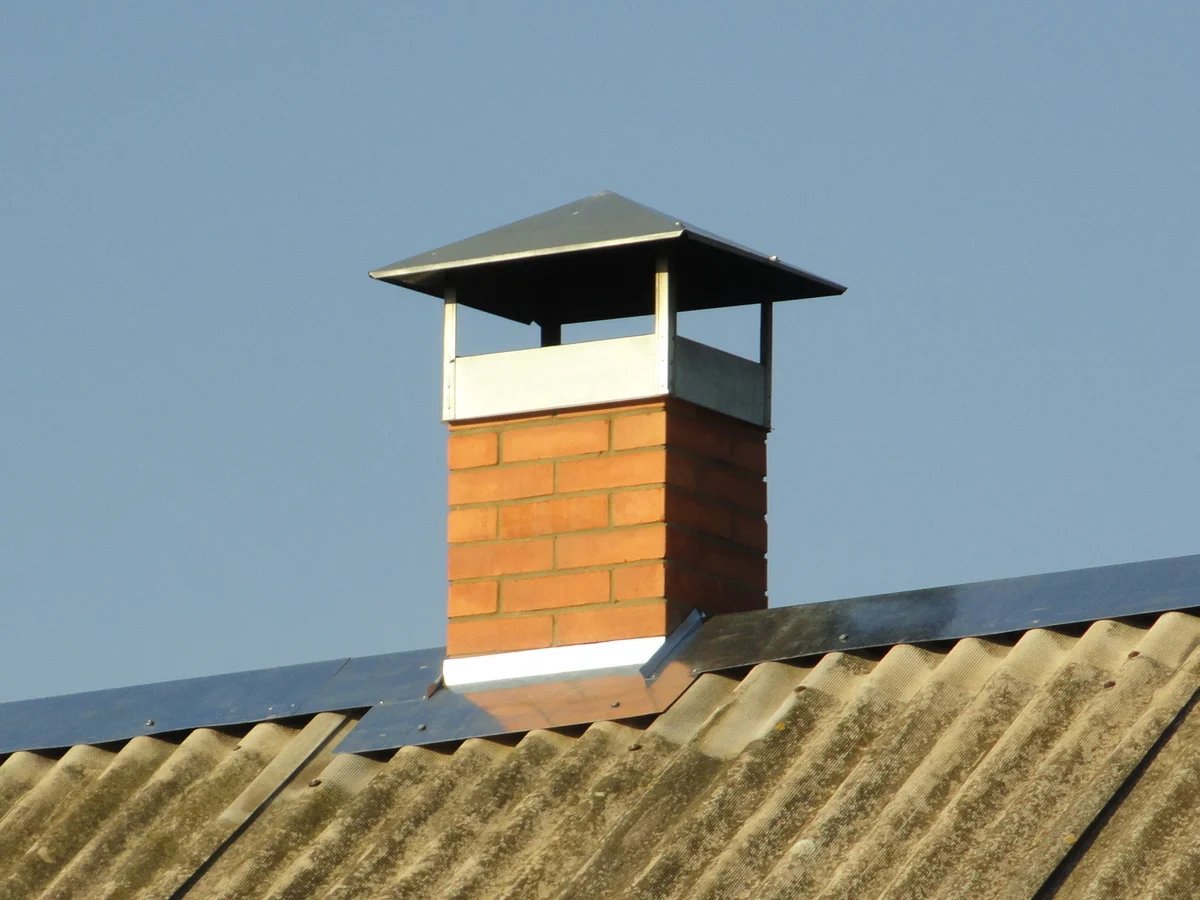
This is a real chimney-cap photograph, not a Houston listing. Review the cap, crown, masonry, mortar and flashing, along with moisture evidence inside or near the attic. Chimneys are not only a fire issue: repeated water entry can damage masonry, adjacent framing and interior finishes.
6. For gas fireplaces, separate flame from gas-system safety
A working flame does not confirm that the shutoff, connections, ignition components, venting and installation are all correct. Record the shutoff location, ignition behavior, unusual soot and odors, then evaluate the appliance according to its model. If gas odor is present, stop operating the unit, leave the hazard area and contact the gas utility or an appropriate qualified professional.
7. Review the alarms with the fireplace
A fireplace is fuel-burning equipment, and carbon monoxide cannot be identified by smell. CPSC warns that cracked or blocked chimneys, creosote and poorly maintained venting can create fire or carbon-monoxide hazards. Check the type, location, age and operation of smoke and CO alarms as part of the same safety review.
Use this option-period order
Ask the seller about fireplace type, last use, cleaning and repair records—but treat the answers as leads, not test results.
Have the home inspector operate equipment that can be operated safely and document anything untested, inaccessible or referred for specialist review.
Photograph the model plate, firebox, damper, gas shutoff, interior moisture clues and exterior chimney.
Arrange a chimney or fireplace specialist during the option period when there is visible cracking, buildup, blockage, moisture, loose masonry, abnormal soot or venting concern.
Separate routine cleaning, localized repair and gas or flue safety work into different estimates.
Before closing, verify agreed work and keep invoices, specialist reports and equipment instructions.
Which conditions should not wait until after closing?
A suspected blockage, major firebox or chimney cracking, gas odor, unusual soot, smoke spilling into the room or combustible materials too close to the opening should not be dismissed because the buyer “probably will not use it.” An unused system can continue to take on water or deteriorate, and someone may operate it later.
Ordinary ash, missing recent service records and cosmetic maintenance can be priced after the scope is confirmed. The goal is not to turn every note into a major demand. It is to separate fire, gas and venting risks from routine upkeep before negotiating.
Frequently asked questions
Didn’t the home inspector already inspect the fireplace?
Yes, within the Texas minimum standards and the limits of accessible, visible components. TREC does not require verification of flue integrity, a smoke test or a determination of adequate draft.
The seller has not used it in years. Is that good or bad?
It may mean less recent creosote, or it may mean that blockage, moisture and equipment problems have gone unnoticed. When records are missing, inspect the present condition instead of guessing.
Does a gas fireplace still need a vent inspection?
First identify the exact appliance. Some gas systems use a chimney or dedicated vent, some are direct-vent and others have a different listed design. The model and installation matter more than the appearance of the logs.
How often should a fireplace or chimney be inspected?
The U.S. Fire Administration recommends annual professional chimney inspection and cleaning. The actual cleaning scope should reflect fuel type, use, buildup and the professional’s findings.
Related inspection guides
Because a fireplace is fuel-burning equipment, continue with the smoke and carbon-monoxide alarm checklist. When the chimney or flashing shows moisture concerns, review the Houston roof inspection guide. To prioritize the entire report, use the big-ticket home inspection checklist.
Sources and image note
Primary sources: Texas Real Estate Commission Standards of Practice, U.S. Fire Administration fireplace and wood-stove safety guidance, U.S. Consumer Product Safety Commission combustion-safety warning and Chimney Safety Institute of America Level 2 inspection procedure. Sources checked October 27, 2026.
The cover is a real residential fireplace photograph by Clay Banks from the original Unsplash page, used under the Unsplash License. The chimney-cap photograph is by Andrew Pertsev from Wikimedia Commons under CC0 1.0. Images were cropped, resized and compressed only; no generative edits were used.
Joyce's Featured Listings

Reviewing the fireplace together with the chimney, roof and alarms creates a more realistic move-in plan. Browse Joyce's Featured Listings, then decide whether a property-specific chimney inspection belongs in the option period.
View Joyce's Featured Listings
Found a home with a fireplace and unsure whether to add a specialist?
Send me the home’s age, fireplace type, relevant inspection pages and how you plan to use it. I can help separate routine maintenance, repairs that need pricing and safety questions that deserve more evidence during the option period.
About Joyce Tang

Joyce Tang is a Greater Houston real estate agent and investor, co-founder of the North American Real Estate Association, founder of JoyHome and JoyNest, and co-leader of the Dr. Wang Real Estate Team.
She has helped more than 200 families buy or sell homes and has participated in more than 40 renovation projects. Her approach examines not only price, but also location, carrying cost, cash flow, risk and future exit options.
Important notice
This article provides general home-purchase and safety information. It is not fire, gas, construction, legal or chimney-professional advice and does not replace a property-specific opinion from a licensed inspector, gas professional, chimney professional, fire department or local code authority. If you smell gas, experience smoke spillage, receive a CO alarm or face another emergency, leave the hazard area and contact 911, the fire department or the local gas utility.