
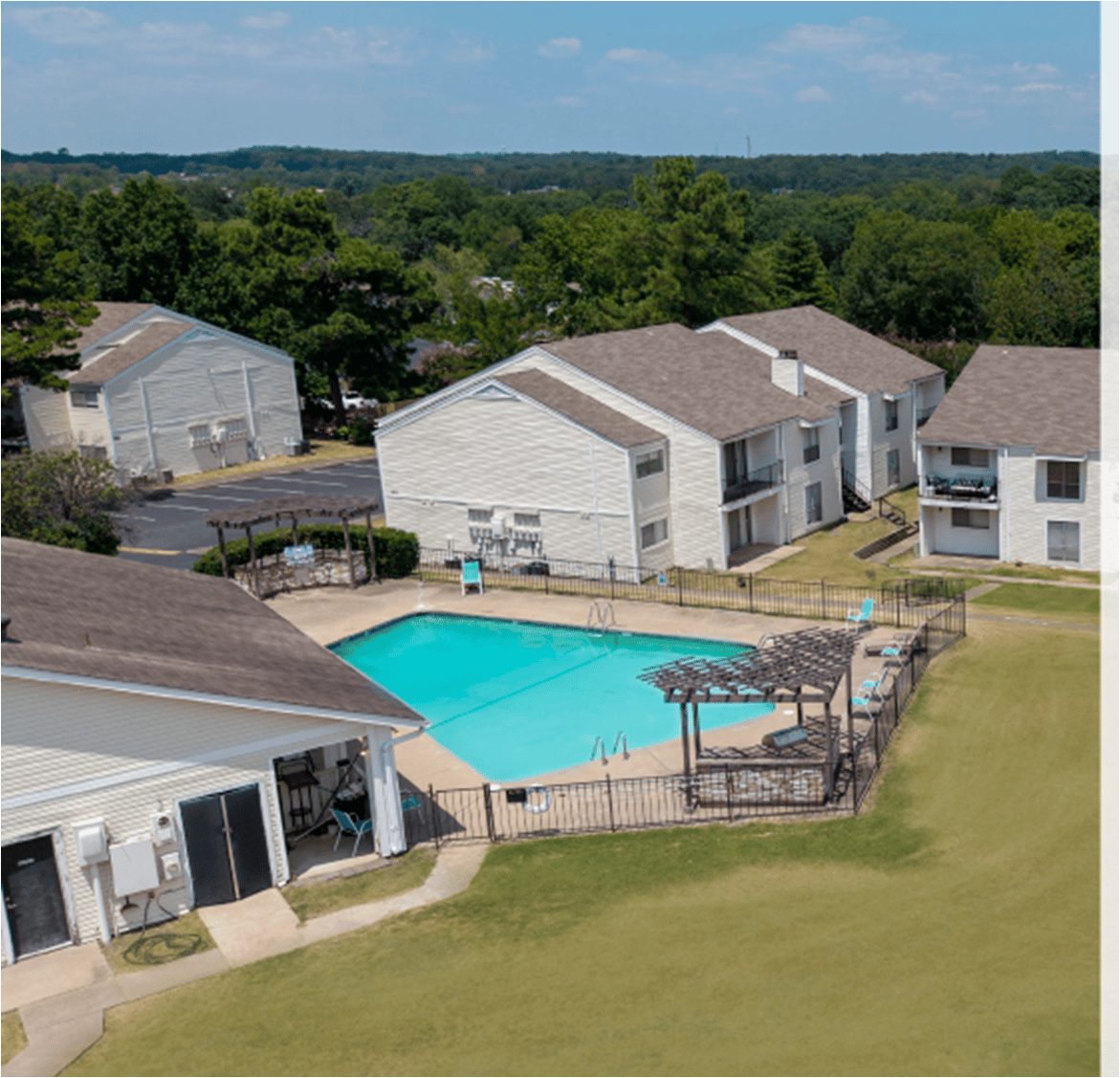
After closing on a 216-unit property, the first value-add step should not be a blanket renovation or an immediate rent increase. The more disciplined order is to establish a reliable operating baseline, confirm leases, collections, work orders and physical condition, then rank spending by safety, asset protection, operating stability and resident experience.
Towne Oaks Apartments closed on October 14, 2026. The acquisition phase answered whether to buy and at what price. The operating phase has to answer what comes first, where capital should go and how we will know whether an improvement actually worked.
Turn the acquisition file into an operating baseline
The rent roll, income, expenses and repair assumptions used in underwriting are a starting point. After takeover, I want the records to match what is happening on the property before replacing the old numbers with new growth assumptions.
That review commonly includes:
- Actual occupancy, vacancy, lease expirations and renewals;
- Billed rent, collected rent, delinquency and concessions;
- Condition of vacant units and the time required to return them to service;
- Open work orders, recurring maintenance issues and emergency repair history;
- Insurance, taxes, utilities, payroll, vendor and management costs;
- On-site staffing, vendor agreements and whether daily processes can be executed consistently.
This work is less visible than a renovation, but it determines whether the capital plan is built on facts. If the baseline is wrong, later income growth may be difficult to separate from one-time changes or errors in the original data.
Repair priorities should protect people and the asset first
At 216 units, multiple repair needs can surface at the same time. A common mistake is to start with the most visible projects while delaying issues that affect safety, water intrusion, equipment life or daily operations.
I generally separate the work into levels:
- Safety, leaks, structural concerns, electrical, plumbing and other items that should not wait;
- Repairs that may expand damage or reduce the reliability of major systems;
- Items affecting unit readiness, resident use and maintenance efficiency;
- Projects that improve common areas, appearance or leasing competitiveness;
- Cosmetic upgrades that can wait until the operating data is clearer.
Value-add does not mean renovating everything. It means solving the issues that matter most to safety, operations and long-term value in the right order.
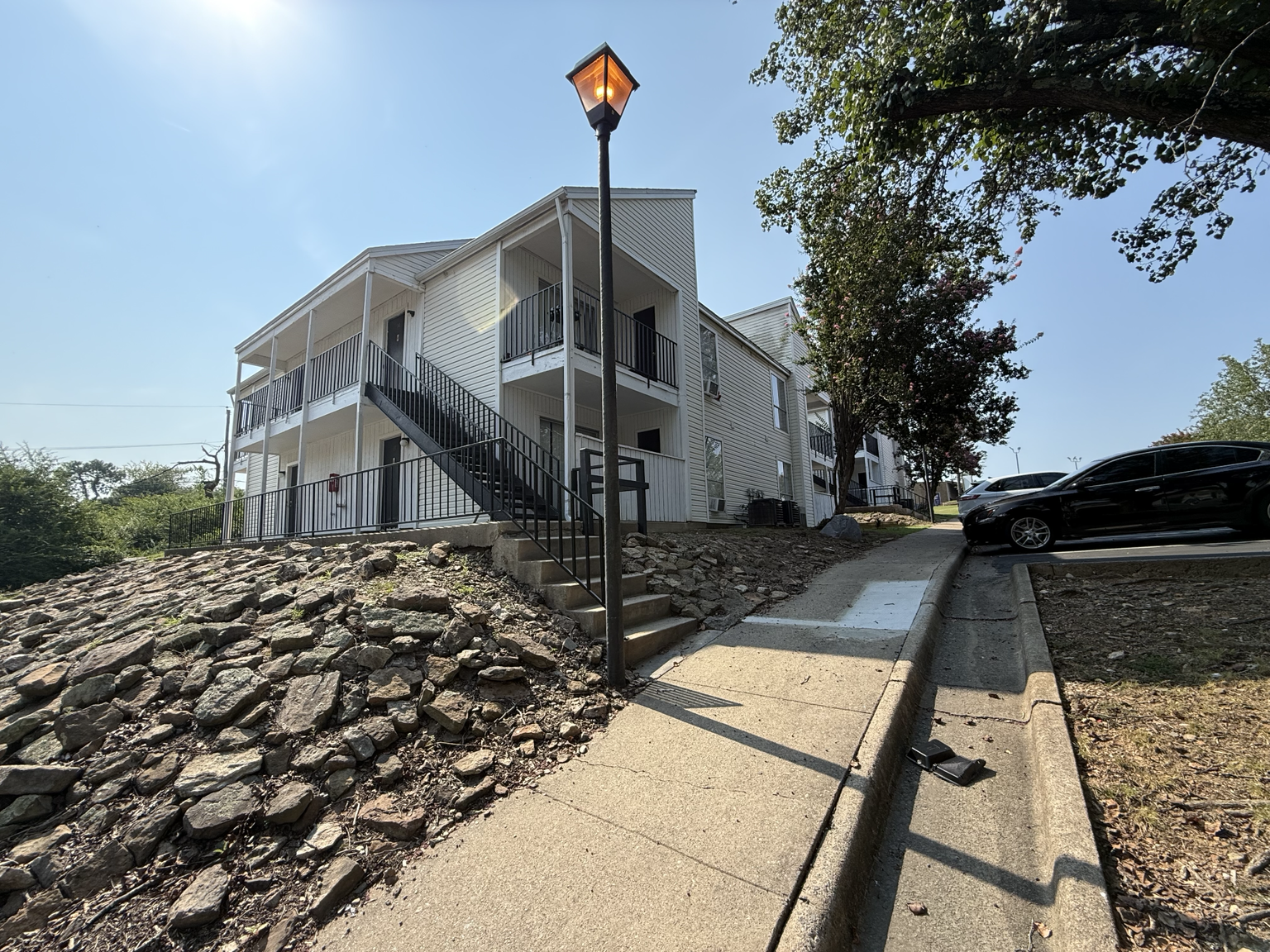
The Towne Oaks Apartments exterior and sloped walkway. Building condition, access, drainage and common areas all influence repair sequencing and the capital plan.
Separate routine maintenance from capital expenditures
Routine maintenance keeps the property operating. Capital expenditures are generally larger, longer-lived projects or improvements that affect the asset over time. Mixing the two can understate future cash needs and distort how changes in NOI, or net operating income, are interpreted.
A capital plan should explain more than the dollar amount. Why should the work happen now? What happens if it is delayed? Will construction affect occupancy? What measure will show whether the work delivered the intended result? At 216 units, a per-unit decision becomes much larger when applied across the property.
Do not build the value-add plan backward from higher rents
Some models start with a higher post-renovation rent and work backward to a projected return. Operations should move in the opposite direction: understand actual renter demand and current resident conditions first, then decide which improvements are justified and which rent assumptions have evidence behind them.
I would not judge progress by asking rent alone. I would also track:
- Collected rent and delinquency, not only contractual rent;
- Occupancy, renewals and unit turn time;
- Work-order volume, repeat repairs and completion speed;
- Actual cost and completion time for each unit turn;
- Insurance, payroll, repairs, utilities and other operating expenses;
- Whether NOI changes come from sustainable operations rather than one-time adjustments.
If asking rents rise while vacancy, delinquency, turn time or repair costs also increase, the headline rent growth may not translate into a stronger operating result.
Resident experience is part of the operating plan
A multifamily property is an asset, but it is also a real community. Maintenance response, lighting, cleanliness, communication and reliable basic systems can influence renewals and the efficiency of the on-site team.
That does not mean every improvement needs premium finishes. Fixing leaks promptly, reducing repeat work orders, shortening unit turns and keeping common areas dependable may create more durable operating value than cosmetic upgrades alone.
The post-closing scorecard takes time and evidence
Towne Oaks has closed, but I would not describe the value-add plan as successful based on the acquisition alone. The real questions are whether the baseline is accurate, repairs follow the right priorities, budgets remain controlled, occupancy and collections stabilize, and operating improvements are reflected in sustainable NOI.
That is why I plan to keep documenting the project after acquisition. Repair tradeoffs, budget differences, unit turns and operating changes can be reviewed one by one. What worked—and what did not—should be answered with actual results rather than a polished model.
Frequently asked questions
Should every vacant unit be renovated immediately after closing?
Not necessarily. Confirm each unit's condition, local demand, labor and material costs, and expected lease-up time first. Different units may need different levels of work; a single upgrade package is not automatically the best use of capital.
Does value-add always mean raising rent?
No. Reducing leaks and repeat repairs, shortening vacancy, improving collections, controlling expenses and supporting renewals can all improve operations. Rent is only one variable.
How long does it take to know whether the plan worked?
It depends on the repair scope, lease cycle, financing, market demand and execution. One or two months may not be enough. Compare the baseline with budgets, occupancy, collections, expenses and NOI over time, and separate one-time changes from sustainable results.
Related reading
216-Unit Apartment Acquisition Closed: Why Did the Seller Choose Our Lower Offer?
Houston Real Estate Investing for Beginners: What Should You Check First?
Rent Is $2,400—So Why Is Cash Flow Still Negative? Eight Costs Houston Investors Miss
Joyce's Featured Listings

AI-generated illustration of Greater Houston homes and skyline; it does not depict a specific real or currently available listing.
Multifamily operations differ from buying a home, but property condition, carrying cost and actual use still matter. You can also browse Joyce's Featured Listings to see the residential opportunities currently presented across Greater Houston. Availability and pricing change, so rely on the latest information on the listings page.
View Joyce's Featured Listings →
Are you evaluating a multifamily improvement plan?
Send me the property size, city, current occupancy, major repair concerns and approximate budget range. We can start with the operating baseline, repair priorities, capital plan and measurable indicators for improvement.
Contact Joyce about the project →
About Joyce Tang

Joyce Tang is a Greater Houston real estate agent and investor, co-founder of the North American Real Estate Association, founder of JoyHome and JoyNest, and co-leader of the Dr. Wang Real Estate Team.
She has helped more than 200 families buy or sell homes and has participated in more than 40 renovation projects. Her approach examines not only price, but also location, carrying cost, cash flow, risk and future exit options.
Written by Joyce Tang based on her multifamily acquisition, renovation and operating experience.
Disclaimer
This article provides general real estate investment and property-operation information. It is not investment advice, a return promise, an offer to sell securities or a solicitation to invest. Repair priorities, operating measures and value-add methods must be evaluated for the specific property, leases, market, financing and budget. Multifamily investments involve market, financing, insurance, construction, operating and liquidity risks. Consult appropriately qualified professionals for investment, securities, legal, tax, lending, engineering and insurance questions.