
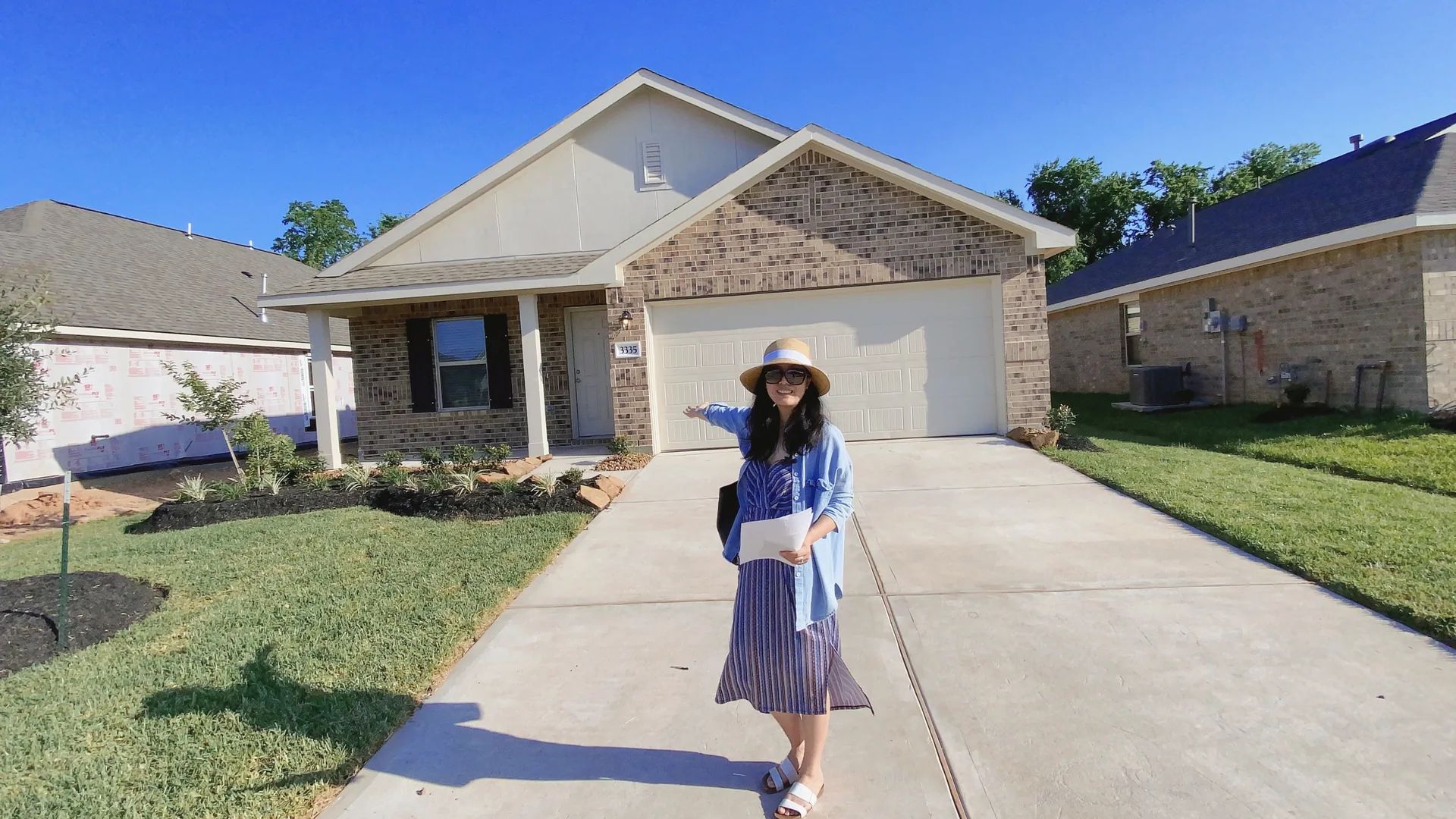
Houston deserves a serious look from first-time real estate investors because the entry point can be more manageable than in many high-cost coastal markets, the economy supports a broad renter base, and buyers can choose from a wide range of housing. But the reason to invest here is not simply that a house looks inexpensive. If the rent, taxes, insurance, repairs and exit plan do not work together, a low purchase price can still become an expensive mistake.
For a first Houston investment property, use a simple order: rental demand, verified rent, total carrying cost, property risk and only then possible appreciation. Reversing that order makes a weak deal easier to rationalize.
Why Houston is worth considering—but not an automatic buy
The first advantage is choice. A budget that may buy very little in Seattle or the San Francisco Bay Area can reach many mainstream Greater Houston communities and a wider range of three- and four-bedroom homes. A lower entry price does not remove risk, but it may reduce the amount of leverage a new investor needs and leave more room to compare properties.
Houston is also supported by more than one industry. Greater Houston Partnership data identifies major employment bases that include health care, energy, manufacturing, professional services and aerospace. For an investor, the useful question is not whether “Texas is popular.” It is whether a particular property is connected to durable jobs, realistic commutes and ongoing housing demand.
Texas does not impose an individual state income tax, as the Texas Comptroller explains. That does not mean a property investment is tax-free. Federal income and capital-gain rules may still apply, and local property taxes can materially change the return. Tax treatment depends on the owner and transaction, so a qualified tax professional should review the specific situation.
Start with real cash flow, not advertised rent
If a listing says the home can rent for $2,200 per month, that is gross rent—not cash flow. The number that matters is what remains after recurring expenses, reserves and financing.
- Property taxes based on the actual taxing jurisdictions and assessed value
- Homeowners and any appropriate flood or wind coverage
- HOA dues and other recurring community charges
- Routine maintenance plus a reserve for major systems
- Vacancy and leasing turnover
- Property-management fees when management is outsourced
- Mortgage principal and interest when the purchase is financed
Here is a simple illustration: at a 2.5% tax rate, a $500,000 taxable value would create roughly $12,500 in annual property tax before adding the other costs. That is an illustration, not a quote for a particular address. Verify the appraisal, taxing entities, exemptions, insurance quotations and actual lease comparables for the property you are evaluating.
The first question is not “How much will this house appreciate?” It is “Can I comfortably hold it under conservative assumptions?”
What kind of property is easier for a first investment?
For a first rental, Joyce generally prefers a straightforward detached home with a broad renter pool and a layout that should remain marketable at resale. A practical three-bedroom, two-bath or four-bedroom home with two or three baths, a two-car garage, a usable kitchen and sensible bedroom placement is often easier to understand than a very large or highly customized property.
Do not confuse size with investment quality. A distant 3,500-square-foot home may appear inexpensive per square foot, but it can carry higher upkeep, face heavy competition from new construction and attract a narrower renter pool. The better property is usually the one that is easier to rent, easier to maintain and easier to sell.
Five area checks before you choose a neighborhood
- Employment and commute: Are there stable job centers and practical routes nearby?
- Real rental evidence: What have comparable homes actually leased for, and how long did they take?
- Future supply: Is there substantial land nearby that could keep adding competing new homes?
- Carrying cost: What are the address-specific taxes, insurance, HOA, maintenance and management costs?
- Property and exit risk: Could flood exposure, foundation conditions, roof or HVAC age, highway noise, power infrastructure or an awkward layout limit rentability or resale?
An asking rent is only the landlord’s target. Closed lease comparables and days on market are more useful. A $100 monthly rent difference equals $1,200 per year, and one additional vacant month can erase much more. Insurance also needs an address-specific quote; two similarly priced homes can carry very different premiums.
Be especially careful with freshly renovated homes
White cabinets, new flooring and modern fixtures are easy to notice—and relatively easy to reproduce. Location, lot, floor plan and construction are harder to change. A cosmetic renovation may leave the roof, HVAC, plumbing and electrical systems untouched.
The cleaner a flip looks, the more important it is to verify what was actually changed. Use an independent inspection, review available permits and invoices, and price the remaining major-system risk instead of paying a premium for finishes alone.
Use this screening order
- Set the total cash and financing budget, including reserves after closing.
- Confirm realistic rent with recent closed lease comparables—not asking prices alone.
- Add taxes, insurance, HOA, repairs, vacancy, management and financing.
- Stress-test the monthly and annual cash flow under conservative assumptions.
- Only then evaluate possible appreciation, rent growth and other upside.
Reversing this order is one of the easiest ways to justify a weak deal. Future appreciation should not be used to excuse negative cash flow that the owner may not be able to carry through a vacancy, repair or market change.
Is this a good time to buy a Houston investment property?
The useful question is not whether today is the exact bottom. It is whether a specific property offers enough negotiating room and still works under conservative numbers. When resale listings sit longer, a seller may consider a price adjustment, repair credit or closing contribution. Builders may offer financing or closing incentives. Compare the full net cost and future competition—not just the headline concession.
If you are comparing new construction with resale, read why a Houston new home can sometimes cost less than a resale. You can also review current Greater Houston listings as a starting point, then verify every candidate with current rental and carrying-cost data.
Three reminders for a first-time investor
- Do not buy only because the price looks low. Identify why it is low and decide whether that risk can be accepted or corrected.
- Do not optimize for cash flow alone or appreciation alone. Look for a workable balance between current holding strength and future liquidity.
- Do not begin with the most complicated strategy. Learn the acquisition, inspection, leasing and holding process on a conventional long-term rental before moving into flips, short-term rentals, land or multifamily projects.
Frequently asked questions
Does a lower Houston purchase price automatically create better cash flow?
No. Cash flow depends on rent after taxes, insurance, HOA, repairs, vacancy, management and financing. A cheaper house with weak rent or unusually high carrying costs may perform worse than a more expensive property.
Should a first-time investor choose new construction or resale?
Either can work. New construction may reduce near-term repair risk or include incentives, but future builder inventory can affect resale. A resale home may offer a more established rental history and stronger negotiation, but inspection and capital-repair risk need careful review.
Is a long-term rental easier than a short-term rental?
A conventional long-term rental is usually simpler to evaluate because the lease structure, tenant pool and operating routine are more familiar. Short-term rentals can add permitting, HOA restrictions, furnishing, utilities, cleaning, seasonal demand and more active management.
Can an out-of-state or overseas investor buy in Houston?
Yes, but remote ownership makes local verification more important. The investor needs a clear process for tours, inspections, insurance, leasing, repairs, accounting and emergency decisions. Financing, tax and ownership-structure questions should be reviewed with the appropriate licensed professionals.
Your next step
If you want help screening a Houston investment property, send Joyce your purchase budget, financing plan, target holding period and expected cash flow through the investment-property consultation form. She can help compare location, rental evidence, carrying cost, property condition and likely exit options before you narrow the list.
Sources and update note
Texas Comptroller: Texas has no state individual income tax
Greater Houston Partnership: Houston economy and key industries
About Joyce Tang

Joyce Tang is a Greater Houston real estate agent and investor, co-founder of the North American Real Estate Association, founder of JoyHome and JoyNest, and co-leader of the Dr. Wang Real Estate Team.
She has helped more than 200 families buy or sell homes and has participated in more than 40 renovation projects. Her approach examines not only price, but also location, carrying cost, cash flow, risk and future exit options.
This article is for general real estate education and does not provide legal, tax, lending, insurance, securities or individualized financial advice. Examples are illustrative. Verify current property data, lease comparables, taxes, insurance, restrictions and professional advice before making an investment decision.