
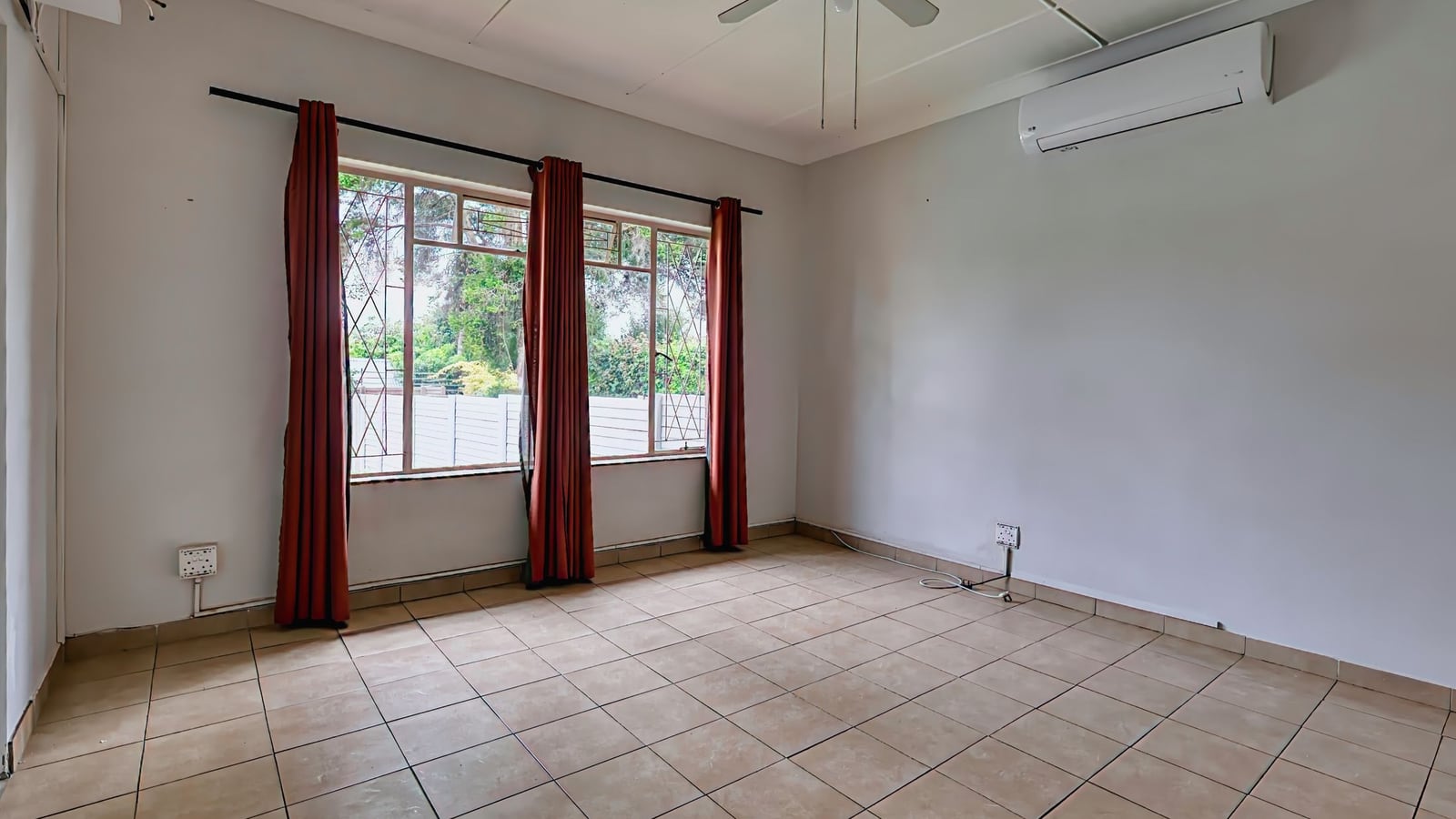
When the second floor stays warmer than the first, do not assume the air conditioner is simply too old or too small. The real cause may be airflow, return paths, attic ductwork, insulation, afternoon sun or thermostat placement. Find the pattern first, then decide whether the answer is an adjustment, a repair or new equipment.
Replacing the system with a larger unit before diagnosing the house can leave the upstairs uncomfortable and create new problems with short cycling or humidity control. The useful order is measure, inspect and only then price a solution.
“Heat rises” is only part of the explanation
Upper rooms sit closer to the roof and attic, which absorb heat during the day. When ducts run through a hot attic, a loose connection, damaged insulation or crushed flex duct can reduce cooling before the air reaches the room. West-facing glass, tall open spaces and closed bedroom doors can widen the gap.
That is why one hot bedroom and an entire hot second floor point to different investigations. Note where the problem occurs and what time it peaks.
1. Measure the pattern for three days
Use two thermometers with similar readings, one downstairs and one upstairs. Record them in the morning, around late afternoon and before bed. Also note the outdoor conditions, thermostat setting, whether the system is running continuously and whether bedroom doors are open or closed.
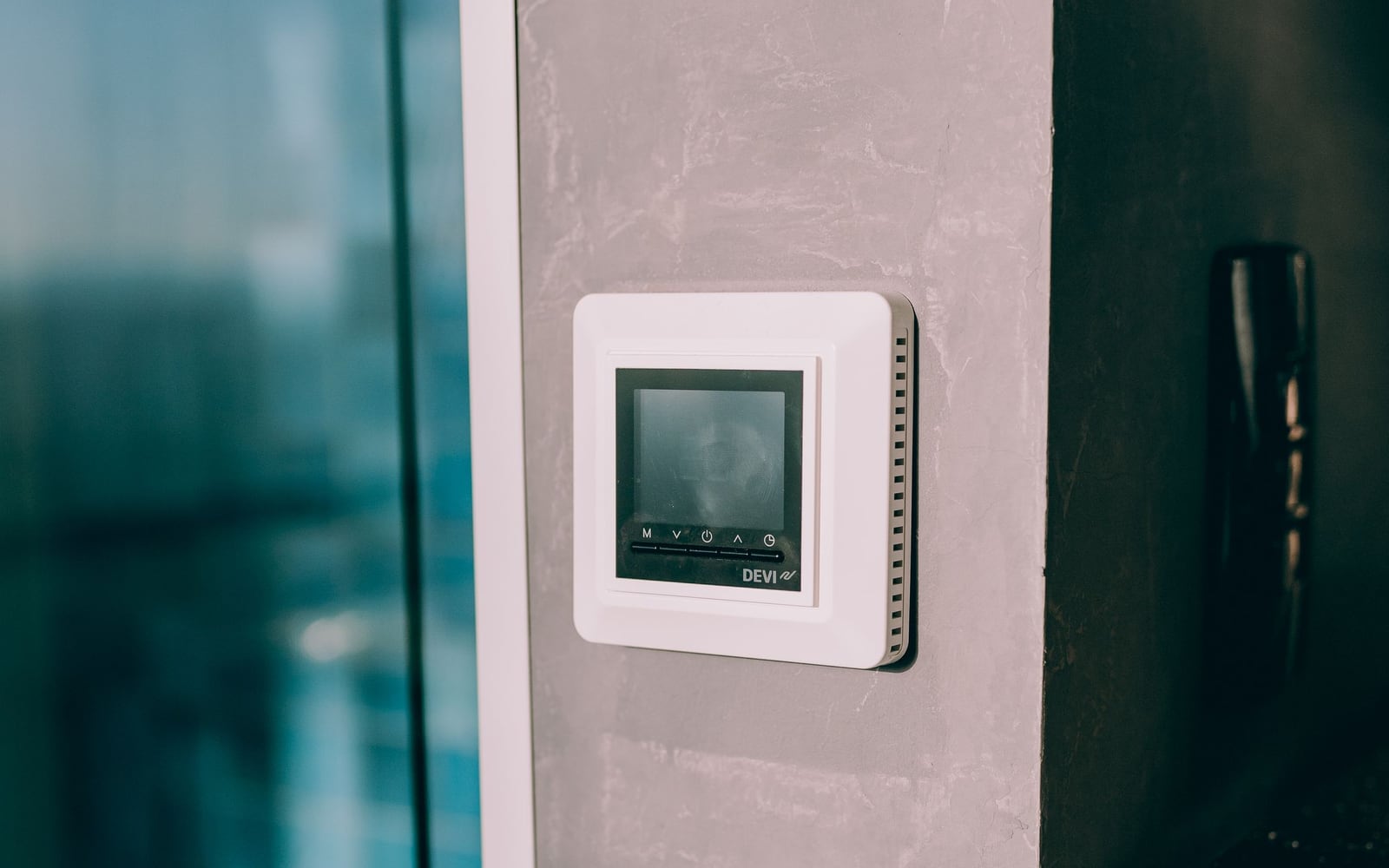
A real digital thermostat in a generic setting, not a specific Houston property. Consistent locations and times are more useful than one isolated reading.
A large gap all day points toward airflow, ducts, attic conditions or system balance.
A gap that peaks late in the day points toward solar gain and west-facing windows.
One hot room points toward that room’s supply airflow, return path or exposure.
A system that runs continuously without catching up needs equipment, airflow and load evaluation.
2. Complete the no-cost checks first
Is the filter dirty, correctly sized and installed in the right direction?
Are upstairs supply registers fully open and clear of furniture, curtains and rugs?
Are return grilles blocked by boxes or furniture?
Is the outdoor unit crowded by debris or plants?
Is the thermostat affected by direct sun, a lamp, television or nearby supply register?
Remove obvious restrictions, then watch the house for a day or two. Change one variable at a time so you know what actually helped.
3. Compare the room with the door open and closed
Some upstairs bedrooms receive supply air but do not have an adequate return path. When the door closes, air has difficulty leaving the room and comfort can worsen.
Compare two similar nights with the same thermostat setting—one with the door open and one closed. If the closed room is clearly warmer, ask a qualified professional to evaluate return-air design, door clearance or another compliant transfer path.
4. Do not close most downstairs registers to force air upstairs
Closing a few registers changes airflow, but closing many can raise system static pressure and contribute to noise, leakage, low airflow or equipment stress.
If the home already has zoning and motorized dampers, verify that the controls work. Otherwise, have a professional measure room airflow and static pressure instead of guessing with register positions.
5. The attic ducts may matter more than the age of the AC
The U.S. Department of Energy and ENERGY STAR both identify duct leaks, kinks, loose connections and missing insulation as causes of comfort problems. In many Houston homes, ducts cross a hot attic. One disconnected joint or crushed run can make a few upstairs rooms difficult to cool.
Look from a safe position for disconnected, crushed or sharply bent ducts.
Dust marks around a joint may suggest leakage.
Damaged insulation or condensation needs attention.
Do not step on ceiling drywall or remain in a dangerously hot attic.
Attics add fall, electrical and heat hazards. If access or visibility is poor, use a qualified inspector or contractor.
6. More insulation is not the whole answer
Insufficient attic insulation can increase heat transfer to the second floor, but adding material without addressing obvious air leaks may deliver limited improvement. Unplanned air sealing can also affect combustion safety, exhaust and indoor air quality.
A sound evaluation looks at insulation, air sealing, ventilation and existing equipment together. Homes with gas water heaters, furnaces or other combustion appliances need safety checks before sealing work.
7. If the room overheats only in the afternoon, address the sun
When west- or southwest-facing rooms heat up late in the day and recover overnight, solar gain is an important clue. Compare temperatures with and without shades, then evaluate appropriate window coverings, sealing or exterior shading.
Trees and exterior shade may help, but drainage, access, roof conditions, association rules and maintenance still matter. Do not block emergency egress or equipment service space.
Stop troubleshooting and call a professional when
The system runs for long periods while indoor temperature keeps rising.
Airflow is very weak or refrigerant lines or coils ice over.
Water appears near equipment, registers or ceilings.
Humidity or musty odors become abnormal.
A breaker trips repeatedly, or there is a burning smell or unusual noise.
Refrigerant, electrical, duct modifications and equipment repair belong with properly qualified professionals. Texas air-conditioning and refrigeration contractor licenses can be checked through TDLR.
Ask for measurements, not only a larger-unit quote
What is the measured airflow to the upstairs rooms?
Is return airflow adequate when bedroom doors are closed?
Are ducts leaking, crushed, disconnected or poorly insulated?
Is system static pressure within the proper range?
Is the equipment operating and cooling normally?
If replacement is recommended, was a room-by-room load calculation completed?
Are existing zoning, dampers and thermostat locations working as intended?
A useful recommendation should explain what is causing the heat and which proposed change addresses that cause.
Five checks to carry into a two-story home tour
Return during a warmer late-afternoon period when possible.
Compare thermostat locations and readings on both floors.
Identify upstairs supply registers and return-air paths.
Look for stains or repairs near registers, attic access and ceilings.
Ask about the number and age of systems, service history and prior attempts to correct temperature imbalance.
A comfortable showing does not guarantee midsummer comfort, but airflow, window exposure, layout and attic conditions provide useful clues before an offer.
The 10-minute home check
Record temperatures upstairs and downstairs.
Replace an obviously clogged filter.
Open and clear supply and return grilles.
Compare a bedroom with the door open and closed.
Note the hottest room’s direction and peak time.
Observe accessible attic ductwork from a safe position.
Organize photos and symptoms before calling a professional.
Frequently asked questions
How many degrees warmer is normal?
There is no single number that fits every house. What matters is whether the gap is persistent, whether rooms remain usable and whether the system runs continuously trying to catch up. A multi-day log is more useful than one reading.
Will adding an upstairs thermostat solve it?
Not necessarily. A thermostat measures and sends a control signal; it does not repair a duct leak, inadequate return path, crushed duct or attic insulation problem. Zoning changes also require compatible equipment, dampers and airflow.
Would a larger AC cool the second floor better?
Bigger does not automatically mean more comfortable. Oversized equipment may reach the thermostat setting quickly, cycle frequently and still manage humidity poorly. Diagnose the load and air-distribution problem before selecting capacity.
Related reading
Old AC in a Houston home: repair it or replace it?
Eight inspection items most likely to become major expenses
Got the keys? 10 things new Texas homeowners should do in the first week
Sources
U.S. Department of Energy: sealed and insulated HVAC ducts
ENERGY STAR: identifying hot and cold room problems
Texas Department of Licensing and Regulation: air conditioning contractors
Joyce's Featured Listings

AI-generated illustration: a Greater Houston housing scene, not a real or currently available listing.
Browse Joyce's Featured Listings to see current options. When comparing two-story homes, include upstairs temperature balance, return airflow, window exposure and attic conditions in the decision—not only finishes.
View Joyce's Featured Listings →
Touring a home with a warm second floor?
Send me the year built, square footage, number of systems, direction of the warmest room and the temperatures you observed. I can help organize the questions for the seller, inspector and HVAC professional before you accept a major replacement cost without a diagnosis.
About Joyce Tang

Joyce Tang is a Greater Houston real estate agent and investor, co-founder of the North American Real Estate Association, founder of JoyHome and JoyNest, and co-leader of the Dr. Wang Real Estate Team.
She has helped more than 200 families buy or sell homes and has participated in more than 40 renovation projects. Her approach examines not only price, but also location, carrying cost, cash flow, risk and future exit options.
Disclaimer
This article provides general property-maintenance and transaction information only. It is not HVAC, building, electrical, energy-audit or engineering advice. Causes and remedies depend on the home, equipment, ductwork and on-site testing. Use appropriately qualified professionals for electrical work, refrigerant, equipment repair, duct modifications and attic construction.