
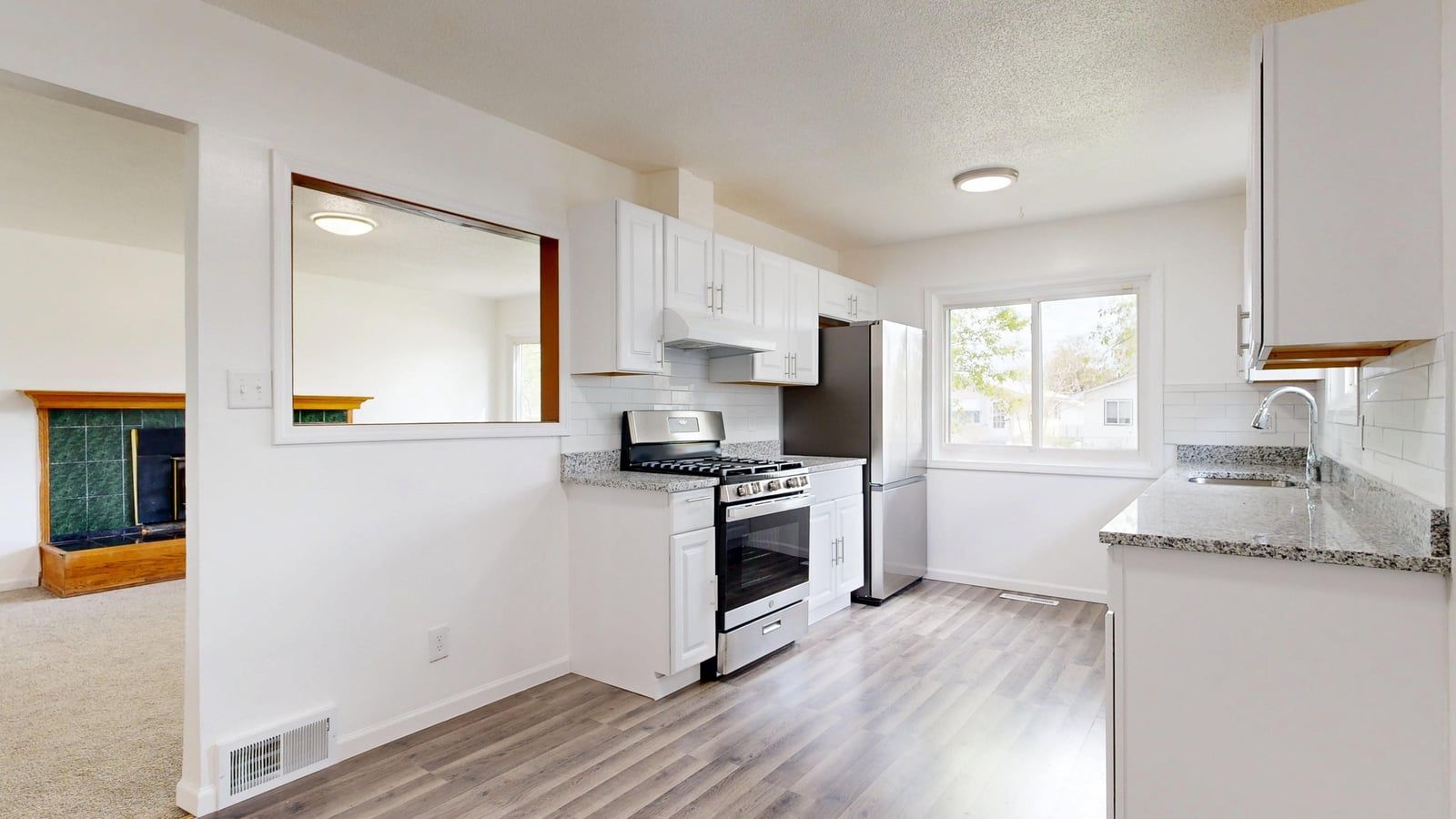
A new kitchen, new flooring and fresh paint tell you the home looks updated. They do not tell you whether the work behind the finishes was planned, permitted, inspected or built well. Before you pay a renovated-home premium, verify what actually changed and what evidence supports it.
My rule is simple: price the documented work, inspect the concealed risk and never treat a seller’s renovation budget as automatic market value.
A renovated or flipped home can be a good purchase. The goal is not to reject every flip; it is to separate a thoughtful renovation from a cosmetic reset that leaves the expensive systems—and sometimes new problems—for the buyer. These eight checks help you do that.
1. Build a renovation timeline before judging the finishes
Start with three questions: when was the home purchased, what was changed, and who performed the work? Compare the current listing with older listing photos, seller disclosures, appraisal-district history and any invoices or scope of work. A house marketed as “fully renovated” may mean new paint and fixtures, or it may include roof, electrical, plumbing, HVAC, foundation or structural work. Those are very different purchases.
Ask for a room-by-room scope with dates. Then separate the work into cosmetic finishes, equipment replacement, trade work and structural changes. If the seller cannot identify what was done, do not fill the gap with assumptions.
2. Match the scope to permits and final inspections
Permit requirements depend on the work and the authority for the exact address. A Houston mailing address does not always mean the property is inside the City of Houston. First identify the jurisdiction; then search that authority’s records. For work inside Houston, the Houston Permit Portal can show permit and inspection activity, while the City explains that permitted work is subject to inspection and must remain accessible until approved.
Look beyond a permit application. Ask for approved plans, trade permits, inspection history and evidence of required final approvals or closeout. A record marked failed, cancelled, expired or still open is not the same as completed work. Not every cosmetic change needs a permit, but electrical, plumbing, mechanical or structural work should be checked against the rules that applied to that address and scope.
3. Reconcile the seller’s story with the documents
Request the seller’s disclosure, contractor invoices, receipts, product information, transferable warranties and before-and-after photos. The documents should tell a consistent story: the date, scope, contractor and permit record should line up. If a roof is described as new, ask for the invoice and warranty. If walls moved, ask for plans and structural documentation. If plumbing was rerouted, ask who did it and whether it was inspected.
TREC says the Seller’s Disclosure Notice covers known material facts and physical condition, but it is not a substitute for an inspection. A disclosure is one input, not proof that the renovation is complete or defect-free.
4. Inspect the house as a system, not as a showroom
Use an appropriately licensed Texas inspector for a full home inspection—not only a brief walkthrough. TREC requires licensed inspectors to follow its Standards of Practice and use the required report form for substantially completed one-to-four-family homes. The inspection still has limits: an inspector generally cannot see behind new drywall, under finished floors or inside inaccessible assemblies.

Licensed Pexels stock photograph by Thới Nam Cao showing a residential kitchen renovation in progress. It is not a Houston property, Joyce client or actual inspection; it illustrates why records and photographs matter before finishes conceal the work.
Pay special attention to the expensive and concealed systems: electrical panels and wiring, water-supply and drain lines, HVAC sizing and installation, roof transitions, attic ventilation, foundation movement, moisture, drainage and sewer conditions. If the inspection raises a focused concern, use the appropriate electrician, plumber, HVAC contractor, roofer, engineer or other qualified specialist during the option period.
5. Look for workmanship clues—but do not use cosmetics as a diagnosis
Uneven tile, hollow-sounding flooring, misaligned cabinet doors, unfinished trim, loose fixtures, missing caulk, poorly patched walls and doors that rub can reveal rushed work. Open and close every cabinet, window and interior door. Run faucets, exhaust fans and appliances. Look under sinks, around tubs and at exterior penetrations. These checks help you find questions; they do not prove what is behind the wall.
Also look for inconsistency. A brand-new bathroom beside corroded shutoffs, old supply lines or an aging water heater may mean the renovation stopped at the visible surface. The Houston Home Tour Guide: Look Beyond Cosmetic Updates gives you a practical first-pass checklist before the formal inspection.
6. Treat older-home hazards and newly covered surfaces carefully
For most housing built before 1978, federal law requires specific lead-based-paint information before a buyer signs the contract. Fresh paint does not eliminate the need for the required disclosure, and it does not tell you what older layers or disturbed materials may contain. EPA notes that deteriorating lead-based paint can be a hazard and that buyers of most pre-1978 housing have disclosure rights.
Mold, asbestos and other environmental questions require property-specific facts and qualified testing or advice. Do not assume that a remodeled surface is safe, and do not assume that every old material is hazardous. If the renovation disturbed older finishes or covered a known moisture area, decide during the option period whether a specialist is warranted.
7. Test the price against appraisal, financing and insurance
Renovation cost is not the same as market value. Fannie Mae appraisal guidance requires a clear description of improvements and directs appraisers to consider condition, quality, design and market acceptance. A seller may have spent heavily on finishes that buyers in the neighborhood do not value dollar for dollar—or may have spent little while creating a strong visual impression.
Give the lender an accurate picture of the property and ask whether the loan program has condition requirements. Safety, soundness or structural deficiencies can lead to repairs or specialist review. Obtain a property-specific insurance quote early and disclose material renovations accurately; Texas Department of Insurance guidance emphasizes that coverage varies by company and policy. Do not wait until closing week to learn that the insurer wants more information about the roof, wiring, plumbing or prior work.
8. Price the resale risk and keep your contract timeline realistic
The next buyer will ask the same questions. A documented renovation with permits where required, final inspections, invoices and transferable warranties is easier to explain. Missing records, inconsistent workmanship or unverified structural changes can narrow the future buyer pool or create another round of due diligence.
Use the Texas Option Period Buyer Guide to schedule the general inspection, document review and any specialists. Depending on the evidence, your decision may be to proceed as offered, request a specific repair, negotiate a credit, value the house more conservatively or terminate within your contractual rights. A promise to “fix it after closing” is not the same as a verified repair.
Renovation documents worth requesting
- A dated, room-by-room scope of work separating cosmetic, trade and structural changes.
- Permit numbers, approved plans, trade permits, inspection history and required final approvals.
- Contractor invoices, paid receipts, product information and transferable warranties.
- Before-and-after photos, especially of framing, plumbing, wiring, waterproofing, roof work and other areas now concealed.
- Seller’s disclosure plus prior inspection, engineering, foundation, roof, plumbing, electrical, HVAC or remediation reports related to the work.
- Insurance claim information and documentation for repairs tied to a prior loss, when available and applicable.
- The lender’s property-condition guidance and a current insurance quote for this specific address.
Frequently asked questions
Does a new kitchen add its full cost to the home’s value?
Usually you should not assume that. Appraised value depends on comparable sales, quality, condition, design and market acceptance—not the seller’s receipt total. A well-chosen renovation may improve appeal without returning every dollar spent.
Is a missing permit an automatic dealbreaker?
No, but it changes the investigation. Confirm whether a permit was required for that work and jurisdiction, what the current record shows, and whether correction or closeout is possible. Then evaluate cost, timing, lender, insurer and resale consequences before deciding.
Can the home inspector verify work hidden behind new drywall?
Not completely. An inspector can identify visible conditions and warning signs within the inspection scope, but concealed work may require permits, plans, photos, invoices or specialist evaluation. No normal home inspection guarantees the condition of inaccessible construction.
Is the seller’s disclosure enough if it lists the renovations?
No. It helps establish what the seller knows, but TREC states that it is not a substitute for an inspection. Reconcile it with permits, invoices, warranties, prior reports and the current property condition.
Joyce's Featured Listings

AI-generated navigation illustration representing Greater Houston housing choices; it is not a real or currently available listing.
After you know how to distinguish documented renovation from surface updates, browse Joyce’s Featured Listings to see what current Greater Houston budgets can buy. Renovation quality and records still need address-specific review.
View Joyce's Featured Listings →
Considering a renovated or flipped Houston home?
Send me the address, year built, the renovation claims in the listing, the documents you have received, your financing type and your option deadline. I can help organize the real-estate due diligence and offer sequence; legal, code, engineering, inspection, environmental, appraisal, lending, insurance and tax conclusions belong with qualified professionals in those fields.
About Joyce Tang

Joyce Tang is a Greater Houston real estate agent and investor, co-founder of the North American Real Estate Association, founder of JoyHome and JoyNest, and co-leader of the Dr. Wang Real Estate Team.
She has helped more than 200 families buy or sell homes and has participated in more than 40 renovation projects. Her approach examines not only price, but also location, carrying cost, cash flow, risk and future exit options.
Sources and disclaimer
Sources checked October 30, 2026: City of Houston Permit Portal, permit and inspection guidance and permit dashboard; TREC Seller's Disclosure Notice guidance and inspection guidance; U.S. EPA lead disclosure guidance; Fannie Mae appraisal improvements guidance and property condition guidance; and Texas Department of Insurance home insurance guidance.
This article provides general real-estate education, not legal, building-code, engineering, inspection, environmental, appraisal, lending, insurance or tax advice. Requirements, records, property condition and underwriting differ by address, authority and transaction. An inspection cannot verify every concealed component. No permit status, construction quality, value, financing, coverage, repair result, cure cost or completion timeline is guaranteed.
Cover photograph by Peter Vang via Pexels; original page and Pexels License. Inline photograph by Thới Nam Cao via Pexels; original page. Both were cropped and resized to 1600×900. Neither image shows a Houston property, Joyce client, listing or actual inspection, and neither implies endorsement.