
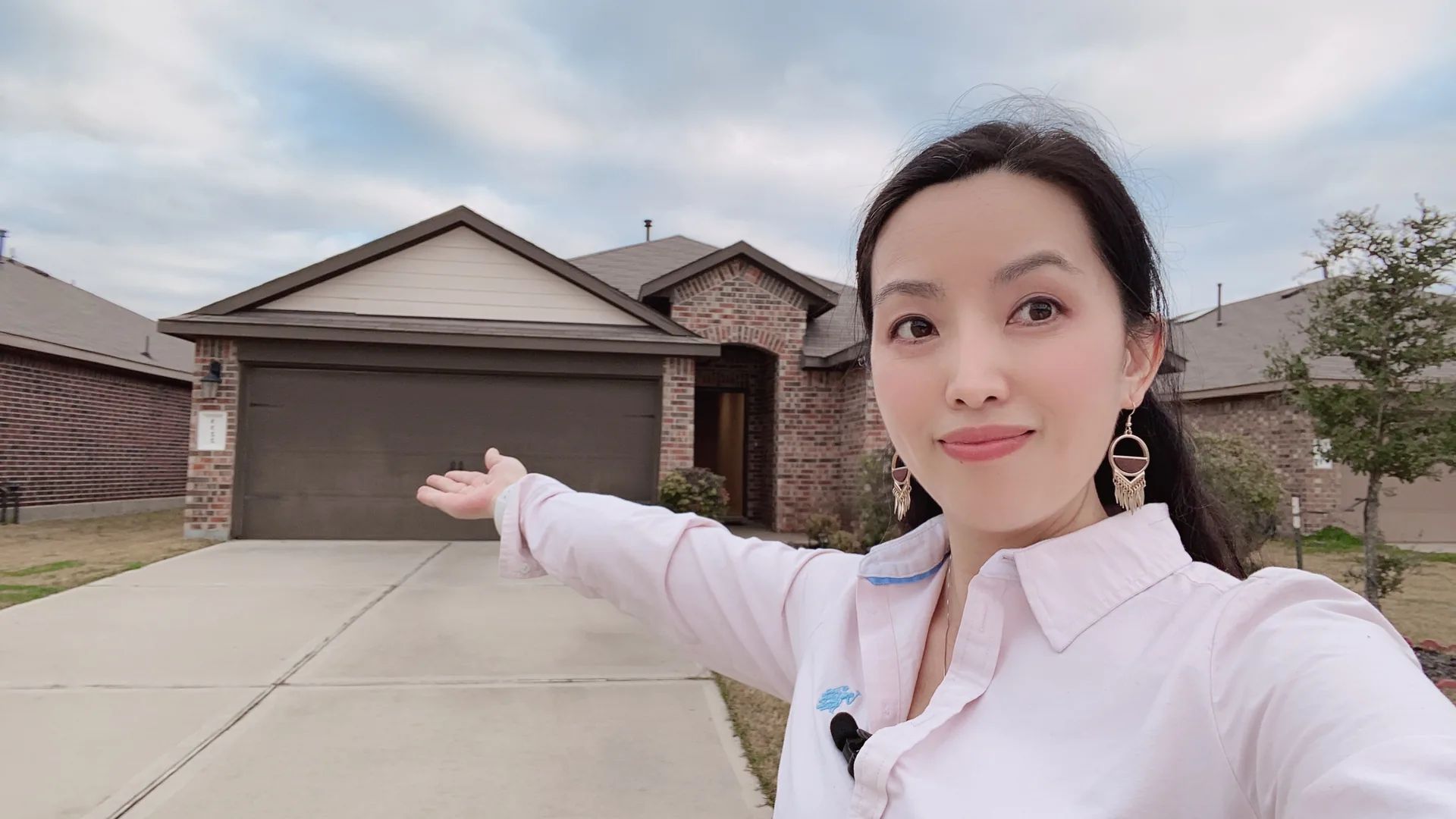
When touring a Houston home, fresh paint, bright counters and polished staging can take over your attention. The items more likely to change your budget or your decision are the roof, possible foundation movement, HVAC, drainage, plumbing, electrical work and renovation quality. My simple rule is to understand how the house works before deciding how much you like the way it looks.
A showing is not an inspection, and the goal is not to diagnose the house on the spot. The goal is to notice signals worth following up on and know what needs a closer look next.
I start outside and give the house a few minutes
Many buyers walk straight to the front door. I usually pause outside first and look at the roofline, exterior walls, windows, lot slope and where rainwater appears to travel. The exterior often gives you the first useful questions.
1. Roof: ask more than its age
Roof age matters, but it is not the whole answer. Two roofs of the same age may have different storm exposure, repairs and maintenance histories.
From the ground, look for visibly uneven rooflines and missing, lifted or damaged-looking materials.
Check the eaves, gutters, downspouts and nearby exterior walls for persistent staining or repair patches.
Inside, notice ceiling discoloration, small freshly painted areas and unusual odors.
Ask for replacement, insurance-claim and repair records, then let a qualified inspector evaluate current condition.
2. Foundation: look for a pattern, not one crack
Cracks are common conversation starters in Houston homes, but one small crack does not diagnose a foundation problem. A wall with no visible cracks is not a guarantee either. I pay more attention when several signals appear together.
Doors or windows that are difficult to operate, do not close cleanly or have uneven gaps.
Repairs around brickwork, door and window corners, or interior walls that do not match surrounding finishes.
Floors that feel noticeably sloped or change elevation as you walk through the home.
Soil, drainage or large-tree placement around the foundation that deserves another question.
These are reasons to investigate, not conclusions. If an inspection recommends another evaluation, follow up with the appropriate specialist before any contractual deadline expires.
3. Drainage: water outside eventually affects the house
I do not evaluate drainage by checking only one flood map. Lot elevation, driveway and yard slope, downspout discharge, street drains, nearby channels and detention areas all belong in the same conversation.

A gutter is only one part of the drainage story. During a showing, follow where each downspout discharges and whether water is directed away from the foundation instead of stopping at the roofline.
Once inside, do not stop at “it looks new”
A beautiful kitchen or bathroom is a plus, but counters, cabinet doors and fixtures do not tell you the condition of the major systems in the home. Once inside, I shift attention from style to use.

4. HVAC: turning on is not the same as understanding condition
In Houston, air conditioning directly affects comfort and carrying cost. During a showing, note equipment model and age information, service labels, thermostat operation, airflow, room-to-room temperature differences, condensate lines and signs of moisture around drain pans.
Those are only surface observations. Capacity, cooling performance, installation quality and duct condition may require evaluation by an inspector or HVAC professional.
5. Plumbing and electrical: a quick try is not a test
When normal showing use is permitted, you can notice water pressure, drainage speed, staining below sinks or on ceilings, and obvious temporary wiring, exposed conductors or irregular patchwork near an electrical panel.
Do not remove covers, move equipment or test hazardous components during a showing. Photograph or note what you do not understand and give it to the inspector instead of guessing.
6. Renovation quality: ask how the work was done
A renovated home can make buyers focus on what was replaced. I also look at how the work comes together: flooring transitions, tile and grout, cabinet alignment, sealing around tubs and sinks, wall patches, and the junction between old and new materials. These details do not prove the quality of the entire project, but they can tell you whether to ask for contractor, permit, material and warranty records.
How do you keep one home tour from becoming a messy checklist?
Instead of writing down dozens of unrelated observations, sort them into three groups:
Ask now: something that could affect safety, insurance, financing or a major repair.
Confirm during inspection: a visible signal that cannot be judged by appearance alone.
Personal tradeoff: not a defect, but a design choice that affects daily use or future resale.
After touring two or three homes, this keeps the comparison from becoming “which one has prettier finishes?” The better question is which home has the risk, cost and daily-life tradeoffs that fit you.
Where does a showing end and a professional inspection begin?
A showing is for screening and questions. A professional inspection follows standards and produces a report. The Texas Real Estate Commission cautions that an abbreviated walkthrough may not provide the complete information of a standard inspection report. An inspection also does not remove every risk; when the report recommends another evaluation, buyers should follow up before an option-period or other contractual deadline expires.
The option period itself is a negotiable contract term. Every transaction should be evaluated under its signed contract and the current forms that apply to it.
Frequently asked questions
Should I look for these issues in a new home too?
Yes. New and resale homes may present different issues, but new does not mean no inspection is needed. With new construction, pay attention to workmanship, drainage, equipment operation, the delivery punch list and warranty boundaries.
Does one crack mean I should walk away?
No single crack answers that question. Location, direction, width, repairs and other signals around doors, floors or exterior masonry matter. Ask the inspector whether a structural or foundation specialist should evaluate it further.
Does a recently renovated home still need an inspection?
Yes. New paint, flooring and counters do not establish the condition of the roof, plumbing, electrical system, HVAC or foundation. The more extensive the renovation, the more useful it is to ask what was completed, by whom and what records are available.
Related reading
Buying a Home in Houston: What Costs Come Beyond the Mortgage Payment?
Why can a Houston new home cost less than a resale right now?
If you are comparing several Houston homes, send me the addresses, photos and the items you are most concerned about. We can separate “do I like it?” from “what still needs to be checked?” before deciding which property deserves the next step.
About Joyce Tang

Joyce Tang is a Greater Houston real estate agent and investor, co-founder of the North American Real Estate Association, founder of JoyHome and JoyNest, and co-leader of the Dr. Wang Real Estate Team.
She has helped more than 200 families buy or sell homes and has participated in more than 40 renovation projects. Her approach examines not only price, but also location, carrying cost, cash flow, risk and future exit options.
This article provides general real estate information and is not a property inspection, structural, engineering, insurance or legal opinion. Confirm the condition of a specific property and all contractual deadlines with the appropriate licensed professionals and transaction documents.
Sources
Texas Real Estate Commission: What Consumers Should Know About Texas Property Inspections
Texas Real Estate Commission: What Should I Tell My Client When Employing an Inspector?