
A standard home inspection can show normal drainage while the buried sewer line still has a problem. Texas minimum inspection standards cover drain performance and accessible piping, but they do not require a camera inside a drain or sewer line. For an older home, the decision to add a sewer scope should follow the property’s clues—not age alone.
I do not order a scope for every older home, and I do not assume a line is healthy just because the fixtures drained during one inspection.
Why can the sewer line be missed during a standard inspection?
A general inspection operates plumbing under normal conditions and looks at accessible water and waste piping. It can identify a slow sink, an abnormal toilet, or a visible leak. The buried building sewer, however, is concealed by soil or concrete.
TREC’s current standards explicitly say an inspector is not required to use a camera or other specialized tool inside a drain or sewer line. Some inspectors offer that service beyond the minimum standard, but buyers should confirm the scope, provider, and deliverables before the appointment.
Five situations when I would seriously consider a sewer scope
1. The home is older and the buried pipe history is unclear
Age is not the only question. Ask what the buried line is made of, whether sections were replaced, where the repair stopped, and whether invoices or video exist. “Plumbing was repaired” may refer to a small interior branch rather than the private line to the public sewer.
2. Several fixtures drain slowly, gurgle, smell, or back up
One slow sink may be a local clog. Slow drainage in different parts of the house, toilet gurgling, or one fixture backing up when another drains can point to a shared section. A line may pass a brief test and still struggle under a larger flow.
3. Large trees sit near the likely sewer path
Tree roots do not automatically mean pipe intrusion. They may enter through an older joint, crack, or displaced connection. Verify the route and interior condition before assuming either that the tree caused damage or that the line is fine.
4. The home had foundation repairs without a later sewer evaluation
Foundation adjustment does not automatically damage plumbing, but movement can make the buried system worth another look. The case becomes stronger when repair history appears with drainage symptoms, unexplained moisture, or patched areas.
5. The seller disclosed prior blockages, backup, or underground repairs
A documented repair is not necessarily bad. Repeated problems without a clear cause are more concerning. Ask when it happened, where the blockage was, whether the work cleared or replaced pipe, and whether video and warranty records exist.
What a scope can—and cannot—tell you
A camera may show roots, buildup, cracks, offsets, collapse, standing water, material transitions, and visible obstruction along the accessible route. Ask for the full video, key images, entry point, inspected distance, pipe material, approximate defect location, and any section the camera could not reach.
A scope is not a lifetime guarantee or a complete leak test. TREC training materials note that camera scoping does not prove the full integrity of the sewer system. It shows the route the camera actually traveled; branches, areas behind an obstruction, and inaccessible sections may remain unknown. Other testing may be appropriate for suspected leakage, subject to the contract and seller authorization.
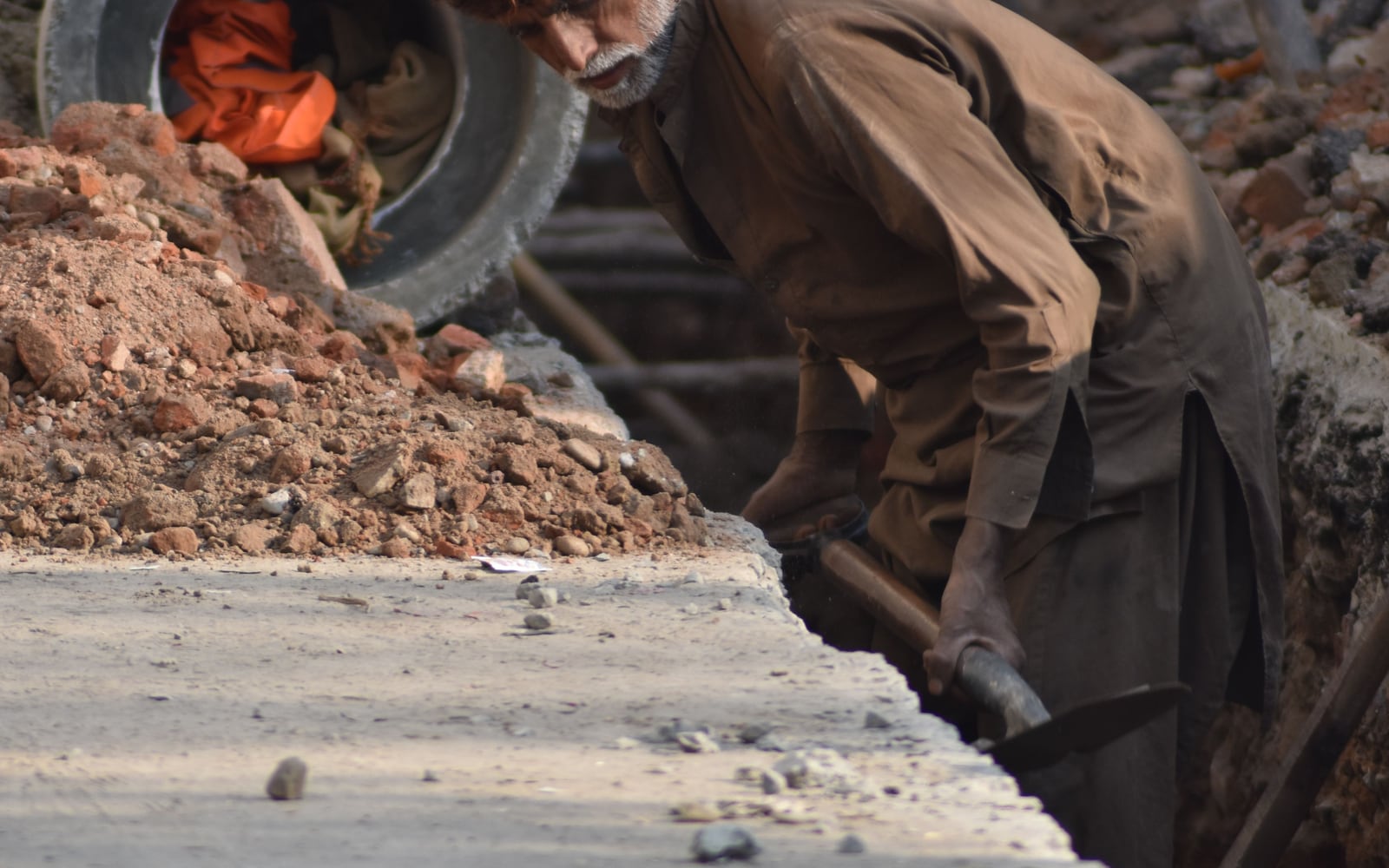
Real underground-pipe construction photo. A scope can help locate a problem before excavation; visible collapse, displacement, or major damage still requires a qualified professional to define repair scope and cost.
Separate a private-line problem from a public-main problem
Houston Public Works says private wastewater pipes, typically closer to the home, are the homeowner’s responsibility; public pipes and pipes in public rights-of-way are the City’s responsibility. For a backup, the City advises checking the cleanout near the street. Wastewater standing at the cleanout points to a 311 call, while no standing wastewater suggests a blockage on the private line and a need for a certified plumber.
That guidance reflects the City of Houston system. Homes in another municipality, an unincorporated area, a special district, or on a septic system may have different responsibility lines and procedures. Verify by exact address.
Use this option-period sequence
- Ask whether the general inspection includes a sewer scope; never assume it does.
- Review the seller disclosure, plumbing invoices, foundation records, and any history of backup or blockage.
- Locate an accessible cleanout and confirm where the camera will enter and how far the provider intends to inspect.
- Request the full video, key images, pipe material, defect locations, and uninspected sections.
- When roots, offsets, collapse, or standing water appear, obtain a written repair plan and estimate from a qualified plumbing professional.
- Separate immediate defects, maintenance items, and unresolved information before negotiating repair, credit, or further evaluation.
- Ask an insurance professional whether sewer or drain backup coverage requires a separate endorsement.
If the property also has foundation-repair history, read Buying a Houston Home With Foundation Repairs. For repair priorities after inspection, continue with What Should a Buyer Ask the Seller to Fix?. To compare sewer-backup coverage and other policy differences, review Houston Home Insurance Before Closing.
Frequently asked questions
Does every older home need a sewer scope?
No. Age is one clue. Pipe material, repair records, nearby trees, foundation history, and current drainage symptoms determine how useful the added inspection may be.
Does a clean scope guarantee the line will not clog later?
No. It reports visible conditions in accessible sections at that time. It does not cover every branch or predict future use and maintenance.
Does standing water on the video always mean the pipe is broken?
Not necessarily. Slope, a local low point, blockage, camera position, and flow conditions can affect the image. A qualified provider should interpret the location and supporting evidence.
The seller just had the line cleared. Is a scope still useful?
It may be more useful if the cause was never identified. Clearing restores flow; a scope may show whether roots, displacement, or damage contributed to the blockage.
Joyce's Featured Listings

AI-generated illustration: a Greater Houston housing scene, not a real or currently available listing.
Looking below the surface helps separate a fresh remodel from a home that fits your long-term ownership plan. Browse Joyce’s Featured Listings, then decide whether each address warrants added sewer investigation.
View Joyce's Featured Listings →
Considering an older home and unsure whether to add a scope?
Send me the address, year built, seller disclosure, foundation history, and inspection drainage findings. I can help organize the records and option-period sequence. Pipe condition, testing method, repair scope, and insurance coverage should be confirmed by the appropriate professionals.
About Joyce Tang

Joyce Tang is a Greater Houston real estate agent and investor, co-founder of the North American Real Estate Association, founder of JoyHome and JoyNest, and co-leader of the Dr. Wang Real Estate Team.
She has helped more than 200 families buy or sell homes and has participated in more than 40 renovation projects. Her approach examines not only price, but also location, carrying cost, cash flow, risk and future exit options.
Sources and disclaimer
Sources checked October 20, 2026: TREC real-estate inspection standards, TREC sewer-scope training material, Houston Public Works private and public wastewater guidance, and the Texas Department of Insurance home-insurance guide.
This article provides a general real-estate and inspection checklist. It is not plumbing, engineering, insurance, legal, or contract advice. Inspection scope, testing authorization, responsibility, repair recommendations, and coverage depend on the address, contract, jurisdiction, and site conditions. Confirm them with the appropriate licensed or qualified professionals.
Cover plumbing photo from Pexels by Bulat843 🌙. Underground-pipe photo from Pexels by HR Capture. Both are used under the Pexels License. The images show general situations and do not represent a specific property, Houston worksite, or inspection result.