
A house with a prior foundation repair can still be worth buying. But “it looks fine now” and “the warranty is lifetime” are not enough on their own. The real questions are why the repair was needed, what was repaired, whether the underlying cause was addressed, how the home is performing now, and whether the record will make sense to the next buyer.
A documented repair is not automatically the problem. A repair history reduced to “it was fixed” is what makes me slow down.
A recent inspection of a 2004 home is a useful example
I recently accompanied a buyer during the inspection of a 2004 home. The original roof and HVAC were still in place, and the foundation had been repaired in the past. The current inspection did not identify obvious adverse foundation performance; most other findings were smaller items.
This is where buyers often swing too far in either direction: rejecting the home the moment they hear “foundation repair,” or stopping all questions after hearing “it looks okay today.” Current performance matters, but so do the cause, repair scope, and post-repair history.
Why one crack cannot diagnose a Houston foundation
TREC guidance identifies moisture changes in clay soil, poor drainage, plumbing leaks, loss of soil compaction, tree roots, and erosion among factors that can affect foundation performance. Inspectors consider visible signs such as binding doors, sloping floors, cracks or separations, and masonry movement when forming a current opinion.
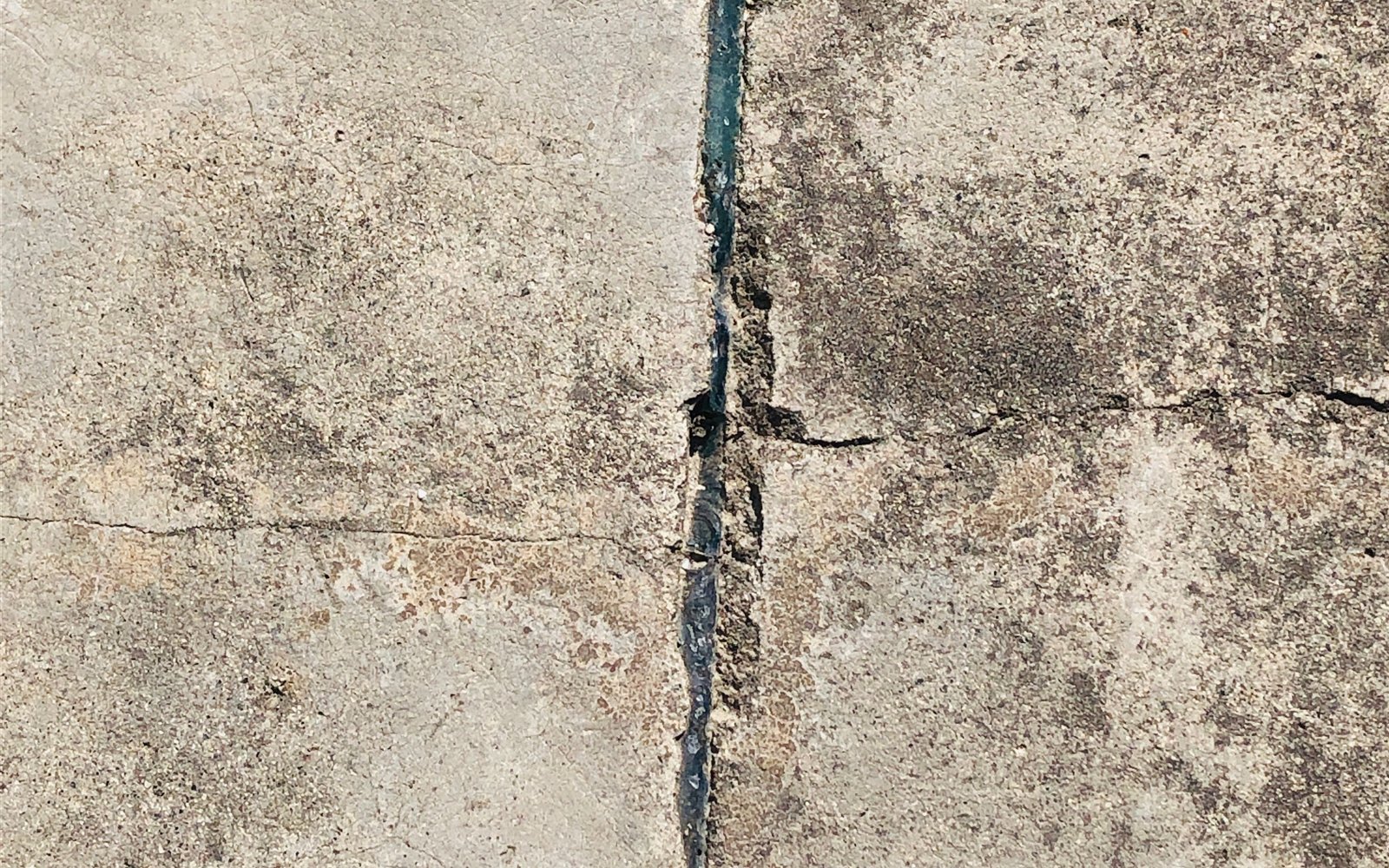
Real photo of a crack near a concrete joint. It illustrates why a photo is not a diagnosis: location, direction, width, change over time, and related conditions elsewhere in the home all matter.
Fresh paint or a newly patched wall is not proof that the underlying cause was corrected either. Cosmetic repair and structural cause are separate questions.
Check these six things before deciding
1. Seller disclosure and a complete timeline
Ask when the condition was noticed, what symptoms appeared, when the work was done, and whether any adjustment occurred later. The current Texas seller disclosure notice asks about known previous structural or roof repair, improper drainage, and settling or soil movement. But the disclosure reports the seller’s knowledge; it is not a warranty and does not replace the buyer’s inspection.
2. The pre-repair evaluation or engineering plan
Look for the evaluation, elevation map, or engineering plan that existed before construction. It should help answer whether the work addressed one section or a broader differential-movement pattern. A contractor proposal without documentation of the cause leaves a gap.
3. Invoice, scope of work, and pier-location diagram
Do not stop at the total price. Identify the system used, number and location of support points, whether the work involved lifting or stabilization, and the installation date. If a later evaluation finds a new elevation difference, the repair diagram helps show whether it is inside the prior work area or somewhere new.
4. The warranty terms—not just the words “lifetime warranty”
Confirm whether the warranty transfers, whether the buyer must act within a deadline after closing, whether there is a fee, what is excluded, and whether the company is still operating. Many warranties cover adjustment of the installed supports, not new movement, drainage, plumbing, or interior cosmetic repairs.
5. Post-repair elevation records and a current independent opinion
Compare any completion elevations, post-repair letter, and later measurements by date. A Texas home inspector provides a written opinion of current foundation performance under the state standards, but the inspection is primarily visual and does not require every specialized measurement tool. When signs continue, records conflict, or elevation differences are significant, consider an appropriately qualified independent professional who is not being paid to sell the repair work.
6. Plumbing, drainage, and site conditions that may preserve the original cause
If leaks, drainage, trees, or moisture patterns contributed to the movement, installing supports without addressing the cause may leave the analysis unfinished. Based on the home’s age, plumbing materials, visible signs, and contract rights, discuss appropriate additional testing with the inspector or a licensed plumbing professional. Confirm the method, risk, and seller permission before testing.
Five situations that should make a buyer pause
- The seller provides only a warranty certificate, with no invoice, diagram, or dates.
- The disclosure, repair contract, and verbal explanation do not share the same timeline.
- Doors, cracks, or slope changes continue in the same area after the repair.
- Standing water, short downspout discharge, or unexplained plumbing signs remain near the foundation.
- The buyer is being pushed to end the option period before key documents or reasonable follow-up access are available.
Pausing does not automatically mean terminating. It means not replacing missing evidence with a verbal assurance.
What to do during the option period
- Request the disclosure, engineering documents, repair contract, pier map, proof of payment, warranty, and transfer instructions in writing on day one.
- Ask the inspector to document visible signs, current performance, drainage, and any recommended follow-up in the report.
- If records are incomplete or the site conditions do not match the paperwork, schedule an independent evaluation early—not on the last day.
- Ask the lender and insurer whether they need additional documentation before the closing timeline gets tight.
- Use the repair risk, resale documentation, and likely inspection cost when negotiating price and terms.
For help deciding what belongs in a repair request, read Which Home-Inspection Findings Are Worth Negotiating?. If drainage is part of the concern, continue with Standing Water in a Houston Yard: Seven Places to Check.
Frequently asked questions
Is a repaired-foundation home always harder to resell?
No. A well-documented repair with a clear scope and stable current performance can be easier to explain than a home with multiple warning signs and no history. Resale depends heavily on whether the condition can be documented and independently reviewed.
Does a transferable lifetime warranty make the home safe to buy?
A warranty can help, but it is not a substitute for current inspection and cause analysis. Verify that the company is operating, understand transfer steps, and read the coverage and exclusions.
What is the difference between a home inspection and a structural-engineering evaluation?
A Texas inspector evaluates structural systems and provides a written opinion of current foundation performance under TREC standards. The inspection relies primarily on visible conditions and is not a full engineering analysis in every transaction. Complex, ongoing, or conflicting conditions may require an appropriately qualified professional.
Does a wall crack prove foundation failure?
No. The location, direction, width, change over time, and related signs in doors, floors, masonry, and drainage all matter. A photo helps document a condition; it does not diagnose it.
Joyce's Featured Listings

AI-generated illustration: a Greater Houston housing scene, not a real or currently available listing.
Screening for foundation history, drainage, and repair documentation reveals more than finishes alone. Browse Joyce’s Featured Listings to see current home types and price ranges, then evaluate each address on its own facts.
View Joyce's Featured Listings →
Have repair records but do not know what is missing?
Send me the property address, seller disclosure, foundation contract, elevation diagram, and inspection report. I can help organize the missing documents, follow-up questions, and transaction deadlines before you decide whether an independent specialist is needed.
About Joyce Tang

Joyce Tang is a Greater Houston real estate agent and investor, co-founder of the North American Real Estate Association, founder of JoyHome and JoyNest, and co-leader of the Dr. Wang Real Estate Team.
She has helped more than 200 families buy or sell homes and has participated in more than 40 renovation projects. Her approach examines not only price, but also location, carrying cost, cash flow, risk and future exit options.
Sources and disclaimer
Sources checked October 17, 2026: TREC Seller’s Disclosure Notice, Texas Property Code §5.008, TREC inspection standards, TREC foundation-performance guidance, and the Texas engineering-license roster.
This article provides general real-estate and home-inspection information. It is not engineering, legal, lending, insurance, or repair advice. Foundation conditions and appropriate tests depend on the specific property, contract, and site conditions. Consult the applicable licensed professionals.
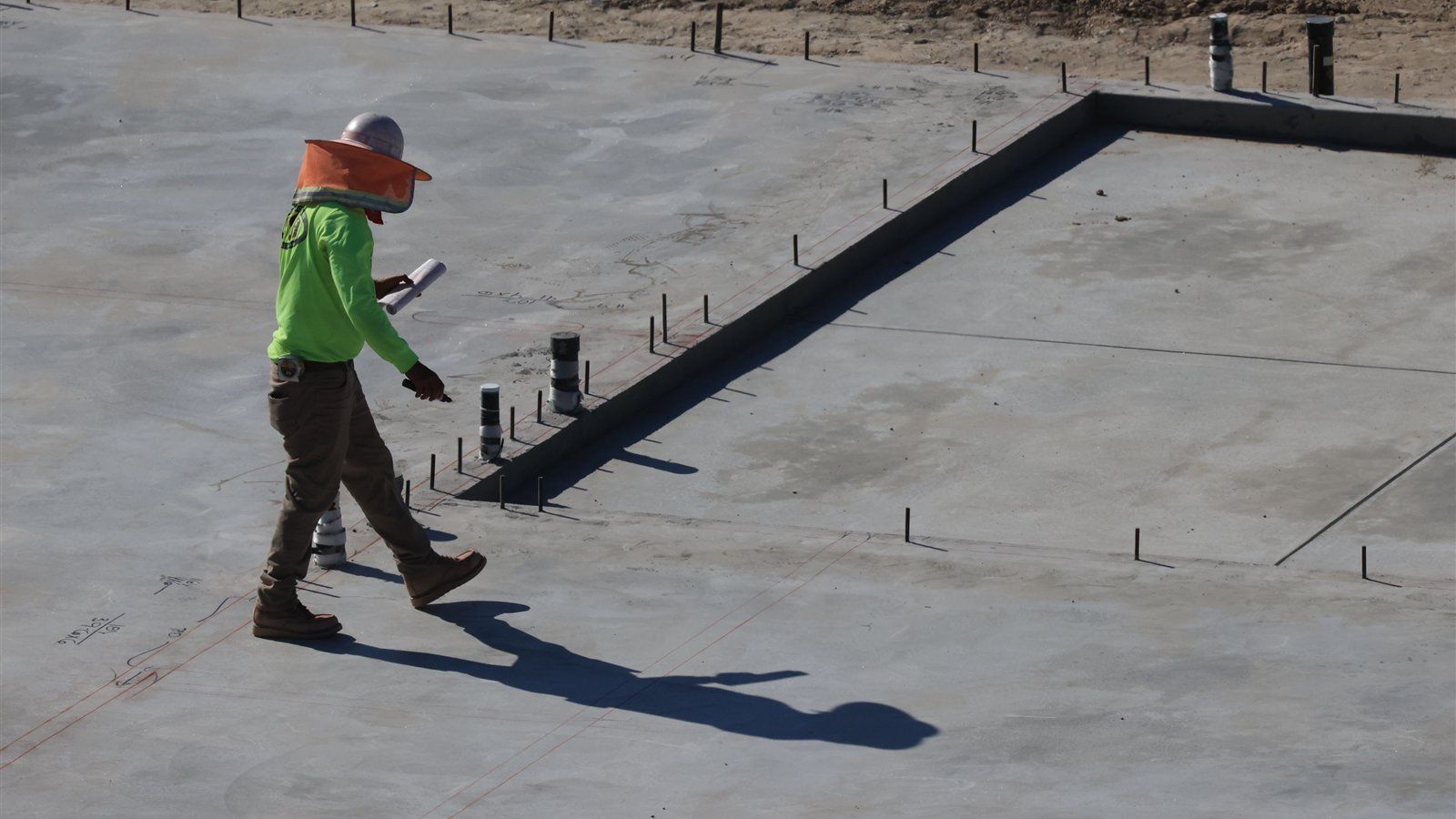
Cover photo from Pexels by David Brown. Concrete-crack photo from Pexels by Naeem Butt. Both are used under the Pexels License. The photos show general inspection conditions and do not represent a specific Houston property or diagnose a structural condition.