
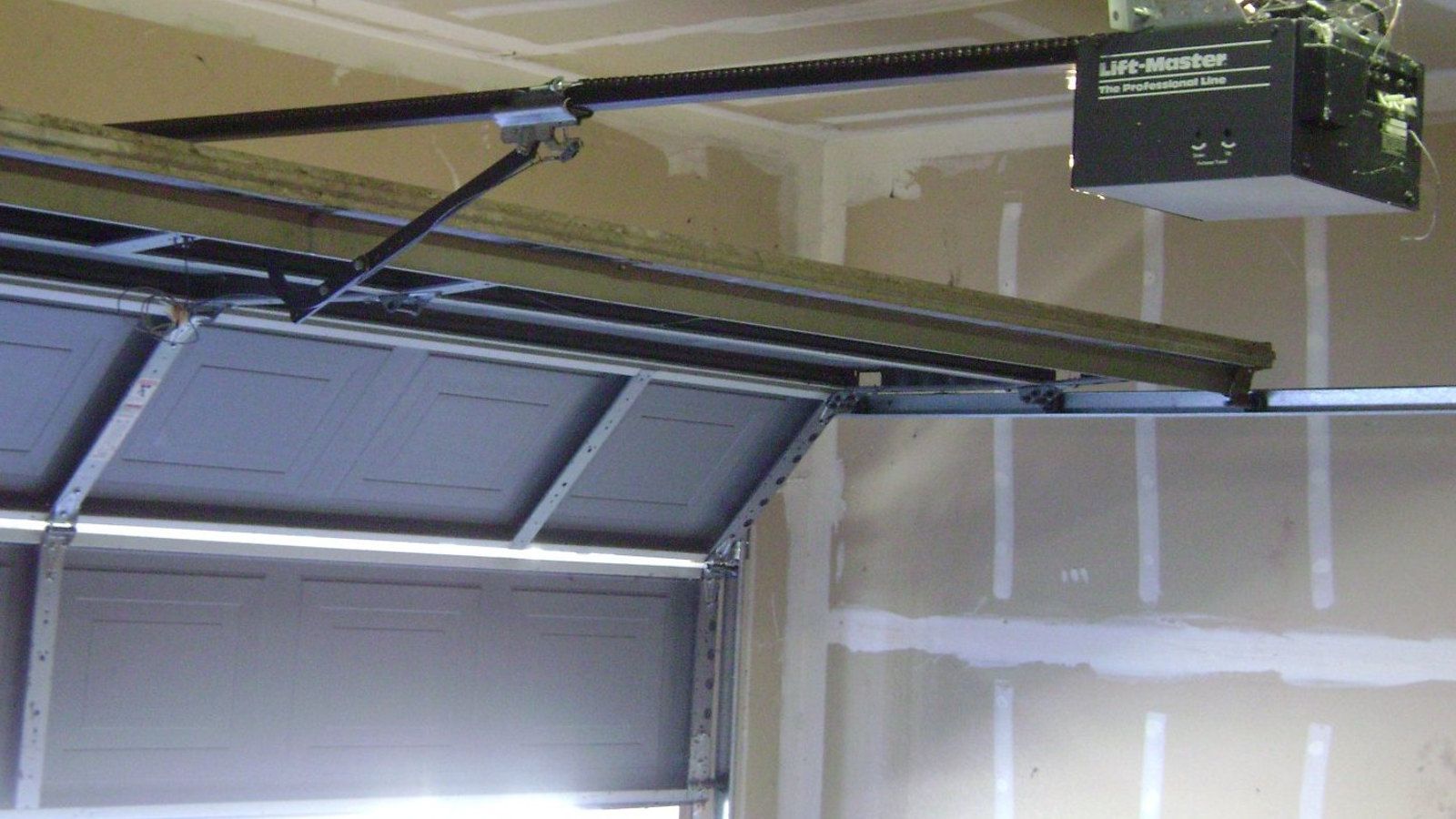
A garage door is not “fine” just because it opens and closes once. It is a heavy moving system that relies on springs, cables, tracks and entrapment protection. During a Houston home inspection, I want the buyer to understand the door hardware, balance, manual release, photo eyes, contact reversal, leftover locks and the separation between the attached garage and the living area.
Buyers should not adjust springs or cables or force a damaged door through a test. Let the licensed inspector evaluate the visible system first; bring in a qualified garage-door technician when the door is uneven, binds, makes unusual noise or fails a safety test.
Why one open-and-close cycle is not enough
The operator pulls the door, but the panels, hinges, rollers, tracks, springs and cables carry and guide the load. Photoelectric sensors and contact reversal address entrapment risk. An operator may still move a door even when a mechanical part is deteriorating or a safety device is not working correctly.
Texas inspection standards require inspectors to report inoperative operators, performance or mounting deficiencies, missing or damaged components, photoelectric sensors installed more than six inches above the garage floor, deficient or missing auto-reversing and manual-detachment devices, and door locks or side ropes that have not been removed or disabled.
Seven checks I want buyers to understand
1. Panels, hinges, rollers and tracks
Before operating the door, look for bent panels, loose hinges, rollers leaving the track, and improvised track supports or fasteners. Shaking, scraping or uneven travel can point to more than an opener problem.
2. Springs and cables
A broken torsion spring, stretched extension spring or frayed cable can make the door suddenly heavy or crooked. Do not adjust these parts or place hands near the rollers, springs or cables. Stored spring tension calls for a qualified technician.
3. Manual release and door balance
The inspector checks the emergency release and manual detachment. Once properly detached, a sound door should move without severe binding or uncontrolled dropping. Buyers should not attempt this when the door or springs already appear damaged.
4. Photoelectric sensor position and response
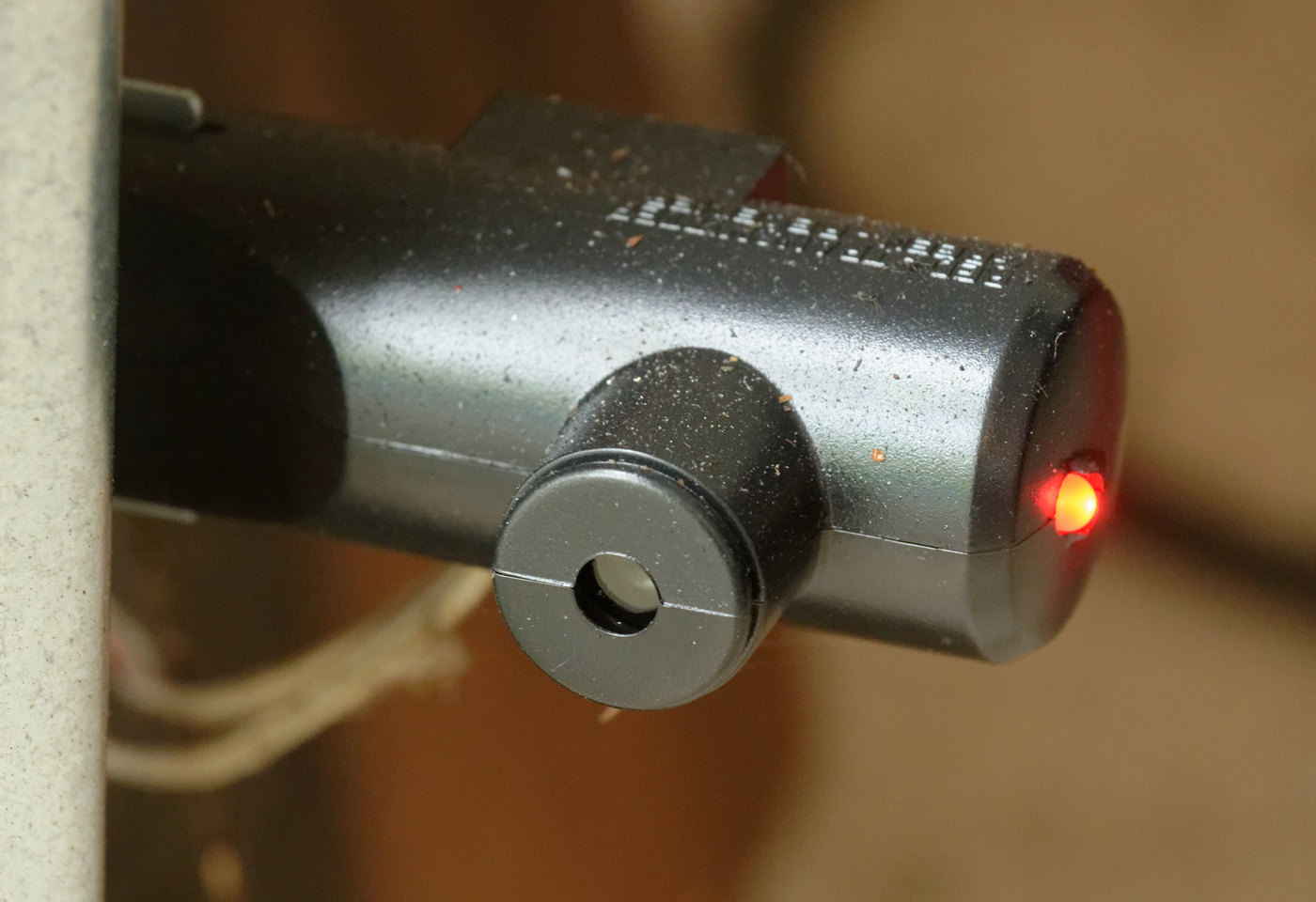
The photo eyes normally sit near the floor on both sides of the opening. Texas standards call for a deficiency when installed more than six inches above the garage floor. The inspector should also interrupt the beam while the door is closing and confirm that the door stops and reverses. A glowing indicator alone does not prove the complete safety function passed.
5. Contact reversal
The photo eyes and the contact-reversal system are separate protections. CPSC guidance describes placing a flat 2×4 in the door path; the door should reverse after contact. Because a failed test can damage the door, it should be performed by an inspector or technician who has first evaluated the system.
6. Old locks, side ropes and improvised wiring
A manual lock left active after an electric operator is installed can damage the system if the operator runs against the locked door. Hanging side ropes can create an entanglement problem. Texas standards specifically call out locks and side ropes that were not removed or disabled.
7. The garage-to-house door, walls and ceiling
This is not part of the opener, but it is another safety layer buyers often miss. Review the door into the residence and visible penetrations or openings in the garage walls and ceiling. A home inspection is a visual inspection, not a full code certification; the report should identify any limitation.
Repair request or budget item?
Misaligned sensors, loose brackets or wiring faults may begin with professional adjustment or repair.
Worn rollers, hinges or weather seals may be ordinary maintenance, depending on the rest of the system.
Spring or cable damage, an unbalanced door or bent tracks deserve a specialist evaluation—not a promise to add lubricant.
An older operator with missing or failed safety protection should be compared against a replacement option.
Visible damage to the garage-to-house separation should be reviewed for safety, repair scope and any insurance or lending concern.
I would not demand a full replacement simply because the report says “Deficient,” and I would not ignore the item because the door still moves. The useful question is whether this is an adjustment, component repair, system replacement or a condition that needs a specialist to define the scope.
What buyers can do during the option period
Ask the inspector to demonstrate the normal operation, photo-eye response, contact reversal and manual release as separate tests.
Pull every door, operator and garage-separation item into one short list instead of leaving them buried in the report.
Get a written garage-door evaluation for spring, cable, balance or recurring binding problems.
Confirm how remotes, wall controls, keypads and smart accounts will be transferred, reset or removed at closing.
Operate the door again at the final walk-through and confirm agreed repairs, remotes and keys were delivered.
Frequently asked questions
The photo eyes work, but they are mounted above six inches. Is that okay?
Do not dismiss it. Texas inspection standards specifically identify sensors above six inches as a deficiency. Have a qualified person verify the mounting, wiring and complete reversal system.
Can an older opener without photo eyes keep operating?
First identify the model, age and existing entrapment protection. Federal safety materials explain that an external entrapment-protection requirement was added in 1993. Have a technician evaluate repair or replacement instead of relying on “it has always worked.”
What does it mean if the door drops when it is halfway open?
That can signal a balance, spring or other mechanical problem. Stop repeated operation and do not adjust the spring yourself; have a qualified technician evaluate it.
Will a normal home inspector give a repair price?
The inspector identifies visible deficiencies and functional problems but may not disassemble equipment or define the final repair. A separate quote is useful for springs, cables, balance problems or operator replacement.
Related reading
The roof and AC are original—what should buyers focus on during inspection?
The inspection report is dozens of pages—what should you ask the seller to fix?
The final walk-through is not a formality—what should buyers check?
Sources and image credits
Texas Real Estate Commission: Real Estate Inspector Standards of Practice
U.S. Consumer Product Safety Commission: Automatic Residential Garage Door Operators
CPSC Safety Alert: Non-Reversing Automatic Garage Door Openers Are a Hazard
The cover is a real garage-door-opener photograph by Oleg Alexandrov from Wikimedia Commons, released by the photographer into the public domain. It is an equipment example, not a brand endorsement.
The real photoelectric-sensor photograph is by Jud McCranie from Wikimedia Commons, used under CC BY-SA 4.0. It was cropped, resized and compressed; the derivative remains available under the same license. Sources checked October 23, 2026.
Joyce's Featured Listings

Once you know how to evaluate the garage door, you can compare current homes by age, garage configuration and overall maintenance. This links to Joyce's full curated listing page rather than a single property whose status may change.
View Joyce's Featured Listings →
Should a garage-door issue change your offer?
Send me the property address, the relevant inspection pages, photos and your option-period deadline. I can help separate routine maintenance, safety concerns and items that need a specialist quote before you decide whether to request a repair, negotiate a credit or keep the budget under your control.
About Joyce Tang

Joyce Tang is a Greater Houston real estate agent and investor, co-founder of the North American Real Estate Association, founder of JoyHome and JoyNest, and co-leader of the Dr. Wang Real Estate Team.
She has helped more than 200 families buy or sell homes and has participated in more than 40 renovation projects. Her approach examines not only price, but also location, carrying cost, cash flow, risk and future exit options.
Important notice
This article provides general Texas home-inspection and safety information. It does not replace an on-site opinion from a licensed inspector, qualified garage-door technician, contractor or local authority. Garage-door springs, cables and moving parts can cause serious injury; do not disassemble or adjust them yourself. Inspection scope, repair method and applicable requirements depend on the property, equipment instructions and professional findings.