
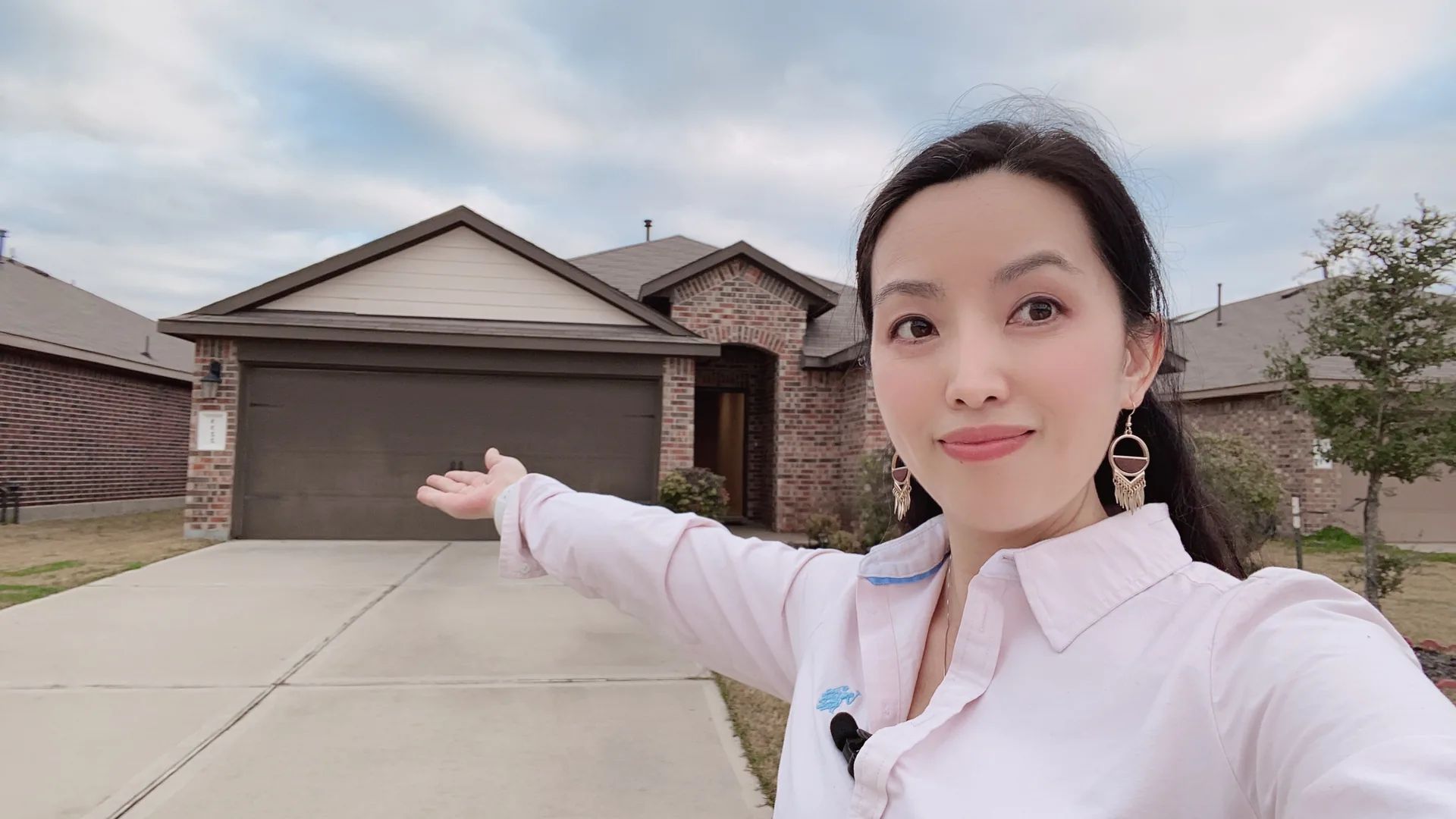
The final walk-through is not one more chance to admire the home, and it is not a second full inspection. Its purpose is to confirm that the property is in the condition required by the signed contract and any later written agreements.
My most important advice is simple: if the buyer finds a problem before closing, document it and raise it immediately. Do not assume it will be just as easy to solve after the documents are signed and funds are delivered.
A final walk-through should answer five questions
Were the agreed repairs actually completed—not merely described as completed?
Did the seller’s move-out, cleanup or recent weather cause new damage?
Are the fixtures, accessories and other agreed items still at the property?
Can the buyer perform a basic operation of water, power, HVAC, the garage door and included appliances?
Does the seller’s move-out and delivery of the property match the signed documents?
Those questions cover five different risks: incomplete work, new damage, missing property, a system that no longer operates, or a home that is not ready to be delivered.
Bring the documents before you bring the checklist
A walk-through should not rely on memory. Keep these items on the phone or in one folder:
The signed purchase contract and every amendment.
The final repair agreement—not the buyer’s original request before negotiations changed it.
The inspection-report pages and photographs that correspond to the agreed repairs.
Contractor scopes, invoices, proof of payment, permits, professional reports and transferable warranty information delivered by the seller.
A phone, charger and written checklist; a simple measuring tape or outlet tester may be useful, but it is not a substitute for a professional reinspection.
The most common paperwork mistake is using an outdated repair list. The version that matters is the one both parties ultimately signed.
First pass: look for damage that happened after the inspection
The initial inspection may have occurred while the seller was still living in the home or furniture covered walls and floors. The final walk-through exposes those areas, and moving large items can damage walls, door frames, stairs, flooring or the garage.
Begin outside with visible roof areas, fencing, windows, the garage door and the yard, especially after recent severe weather.
Inside, check doors, windows, corners, floors and ceilings for new damage, staining or unusual conditions.
Open cabinets and look below sinks for fresh moisture, odors or active dripping.
Confirm that the seller’s belongings and debris have been removed as agreed instead of leaving unwanted furniture, paint cans or construction waste for the buyer.
Normal wear is not the same as new damage. The walk-through focuses on changes after contract or inspection, not a last-minute request to make an older home brand new.
Second pass: verify each repair instead of accepting the words “work completed”
Completion should be compared with the exact location and scope in the agreement. If the amendment addressed water intrusion at the primary-bedroom window, confirm that the same window was handled and review both the visible result and the supporting documentation.
Check off every item on the final signed repair agreement.
Compare the original report photographs with the current location so the wrong component is not mistaken for the repaired one.
Operate an item when it is reasonable to do so, such as a lock, garage door, drain or repaired appliance.
Review the contractor’s scope, invoice and proof of payment, plus any required permit or professional report.
Confirm the transfer process and future contact for any transferable warranty.
Important repairs may justify a reinspection by the original inspector or an appropriate specialist. A visual glance is not the same as professional verification, particularly for roofing, structural, electrical, plumbing or HVAC work.
Third pass: operate water, power, HVAC and included equipment
Necessary utilities should be available when the buyer needs to perform basic checks. If water or power has already been disconnected, do not pretend the verification is complete. Notify the transaction parties promptly because the inability to test is itself an issue to resolve.
Run faucets, flush toilets, observe drainage and look below sinks for leaks.
Operate the thermostat and HVAC normally, watching for startup, obvious unusual noise or visible leakage.
Test common lights, ceiling fans and appliances that the contract says will remain.
Operate the garage door and account for remotes, access cards and other agreed delivery items.
Look around the water heater, electrical panel and major systems for new leakage, burning odors or obvious abnormalities without disassembling equipment.
These are basic operational checks. They do not equal a new inspection and do not replace a Texas-licensed inspector or other qualified professional.
Confirm what the contract says should stay
Move-out disputes often begin because the parties had different assumptions about what was included. Fixtures, accessories and separately agreed non-realty items should be verified against the executed contract and amendments—not a listing description or verbal impression.
Light fixtures, ceiling fans, curtain rods, attached blinds and installed equipment remain when required by the contract.
A refrigerator, washer, dryer or other non-realty item specifically included in writing is the same item the parties agreed to transfer.
Garage remotes, access cards, mailbox keys, equipment remotes and available instructions are accounted for.
Leased or subscription equipment such as security, solar or water-treatment systems has been handled consistently with the contract and disclosures.
If an item matters to the buyer, the safest approach is never “I assumed it would stay.” It should be addressed clearly when the contract is negotiated.
My recommended walk-through sequence
Circle the exterior and look for changes involving recent weather, the yard, visible roof areas and exterior walls.
Confirm move-out and debris removal, then inspect areas most likely to be damaged while furniture was removed.
Work down the final repair agreement and match important items with their supporting documents.
Move room by room to perform basic checks of water, power, HVAC, the garage door and included equipment.
Account for keys, remotes, access cards, warranties and other delivery materials.
Before leaving, organize photographs, video and unresolved items and send them to the buyer’s agent immediately.
A consistent order keeps conversation, furniture measurements and photographs from distracting the buyer from the items that affect closing.
If you find a problem, do not rush to sign
If a repair is incomplete, equipment cannot be operated, an agreed item is missing or new damage appears, take clear photographs and video, note the location and time, and have the agent compare the condition with the contract immediately.
Possible solutions depend on the size of the problem, the executed contract, financing, insurance, the title company and legal guidance. A party may complete work, document a financial arrangement or change timing, but a buyer should not assume an automatic right to delay, withhold funds or refuse to close. Texas does not give every real estate buyer a universal automatic cooling-off period; the contract controls the available rights and notice requirements.
The least reliable solution is an oral promise to return after closing. If the parties make a new arrangement, put it in appropriate written form before signing and confirm that the lender, title company and other necessary parties can carry it out.
Five common final walk-through mistakes
Allowing only ten minutes before the closing appointment.
Leaving the final amendment behind and relying on memory or the original inspection report.
Checking only the negotiated repairs while missing move-out or weather-related damage.
Proceeding as if the walk-through is complete when utilities are off and systems cannot be operated.
Failing to preserve evidence or relying on an oral promise to solve the issue after closing.
Frequently asked questions
Can a buyer refuse to close after finding a problem?
There is no universal answer based only on the discovery of a problem. Available rights depend on the condition, the signed contract and amendments, notice timing and whether a party has defaulted. Preserve the evidence and have the agent and, when needed, an attorney review the situation instead of assuming a right to terminate or delay.
Can the buyer bring the inspector to the final walk-through?
A final walk-through and a professional reinspection are different. When important repairs were agreed, the buyer can discuss arranging the original inspector or a specialist in advance. Access, timing and scope should follow the contract and appointment arrangements.
If the seller supplied an invoice, does the buyer still need to look?
Yes. An invoice may show that a service was performed, but it may not prove that the correct location, scope and result match the agreement. Document review and on-site verification serve different purposes.
Related reading
Your inspection report is dozens of pages. What should you ask the seller to fix?
The roof and AC are original: what should buyers focus on during inspection?
Touring a Houston home? Look beyond the cosmetic updates
Sources
Texas Real Estate Commission: current contract forms
Texas Real Estate Commission: One to Four Family Residential Contract
Joyce's Featured Listings

AI-generated illustration: a Greater Houston housing scene, not a real or currently available listing.
Once you know what to verify before closing, browse Joyce's Featured Listings to compare the budgets, home ages and areas currently available. Use the listing page for the latest status.
View Joyce's Featured Listings →
Closing soon and worried you may miss something at the walk-through?
Send me the closing date, home age, final repair agreement and the systems that concern you most. I can help organize the walk-through sequence and identify which items may deserve a professional reinspection before signing day.
About Joyce Tang

Joyce Tang is a Greater Houston real estate agent and investor, co-founder of the North American Real Estate Association, founder of JoyHome and JoyNest, and co-leader of the Dr. Wang Real Estate Team.
She has helped more than 200 families buy or sell homes and has participated in more than 40 renovation projects. Her approach examines not only price, but also location, carrying cost, cash flow, risk and future exit options.
Disclaimer
This article is for general information only and is not legal, inspection, engineering, lending, insurance or title advice. Walk-through access, seller repair obligations, buyer remedies, notice deadlines and closing arrangements depend on the specific contract and transaction facts. Consult an attorney, lender, title company, Texas-licensed inspector and other qualified professionals when appropriate.