
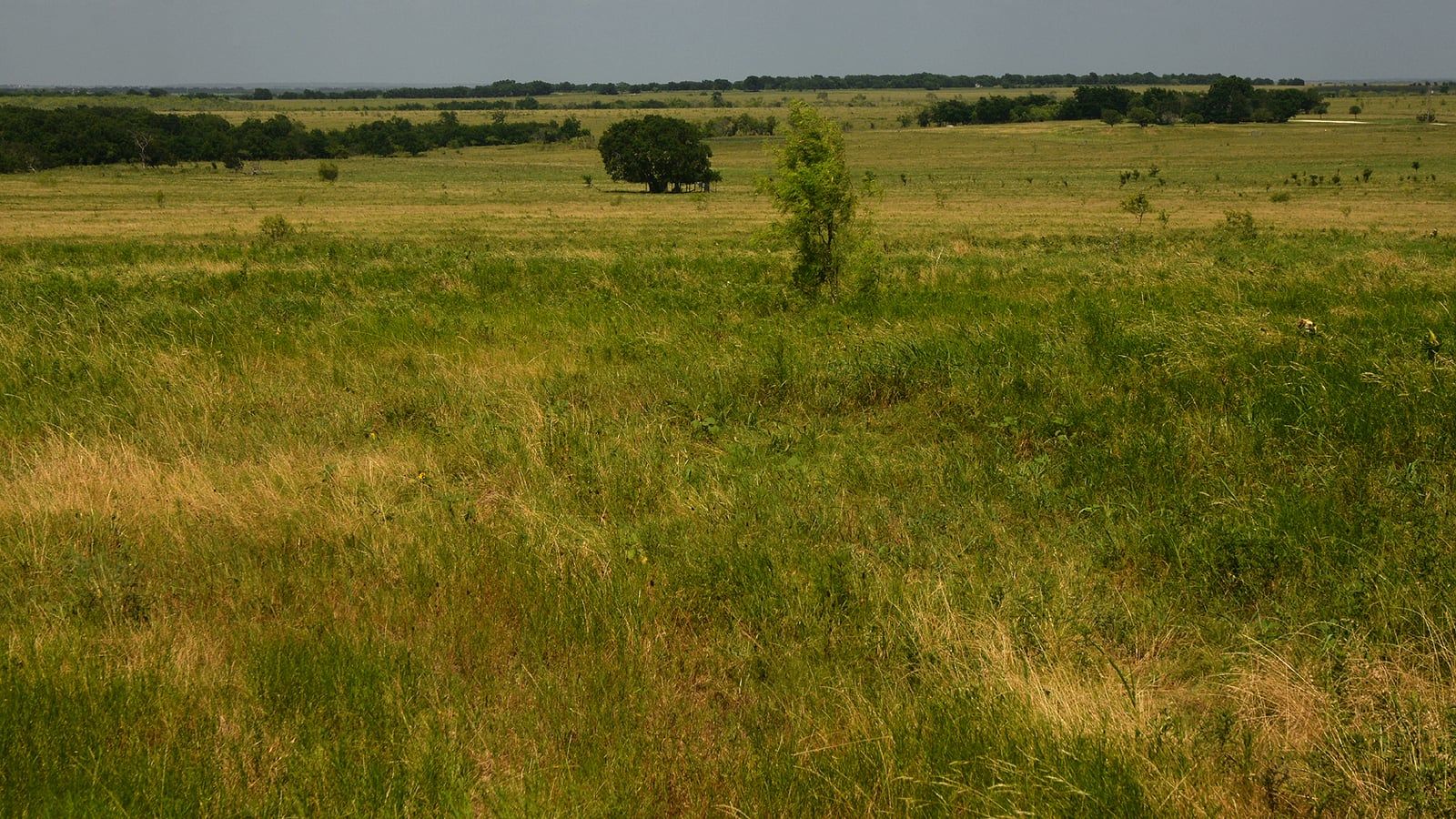
Buying acreage near Houston is not simply buying a larger yard. You are buying a house, land, private infrastructure and a bundle of legal rights. Before you offer, confirm that the property can support the way you actually plan to use it—and price the maintenance, restrictions and risks that come with that use.
If the property works only when every assumption is true, it is not ready for an offer.
Start with what you want the land to do
Write down the intended use before comparing acreage. Do you want privacy only, horses or other animals, a workshop, an accessory dwelling, a home business, recreational use, or the option to divide the tract later? The same parcel can be a good fit for one plan and unusable for another. “No HOA” does not answer the question.
Nine checks before you offer on acreage
1. Legal description, acreage and boundary survey
Match the legal description in the title work to the land the seller is showing you. Ask for the current survey and any field notes, plats or metes-and-bounds description. Locate corners, fence lines, drives, barns, ponds and utilities. A fence is evidence of occupation, not proof of the legal boundary. Check for encroachments, gaps, overlaps and improvements crossing an easement.
Acreage in marketing can be rounded or taken from tax records. If exact size affects price or your plans, have a Texas registered professional land surveyor address it. The TREC Farm and Ranch Contract contains an acreage-adjustment section, but the chosen form and wording should fit the actual transaction. The related Texas Title Commitment, Survey and Title Insurance Guide explains how these documents work together.

Public-domain USGS photograph of a total station used in land surveying. It was photographed in Pohnpei, Micronesia, and is included to show the equipment—not this property or a Houston-area survey.
2. Legal access, physical access and road responsibility
A visible driveway does not prove permanent legal access. Confirm whether the tract fronts a public road or relies on a recorded access easement, who may use it, its width, gate rights, maintenance obligations and whether a lender or insurer will accept it. Private-road grading, culverts, bridges and storm repairs may be shared—or may fall largely on one owner.
If access connects to a Texas state highway, a new or modified driveway may require TxDOT approval. TxDOT’s policy uses Form 1058 for access-driveway applications and places maintenance of private driveways on the property owner. County roads and private roads follow different authorities and documents.
3. Jurisdiction, deed restrictions and intended use
Verify whether the land is inside a city, an extraterritorial jurisdiction, or unincorporated county territory. Then read recorded deed restrictions, subdivision plats, easements and applicable permit rules. Check the specific use you care about: animal type and count, commercial activity, short-term rental, mobile or manufactured home, shop size, accessory dwelling, shooting, tree removal, driveway, subdivision and construction.
No city zoning and no HOA still do not mean unrestricted use. Private covenants, utility easements, floodplain rules, septic setbacks, fire code and county or state permits may remain. If a planned use is essential, obtain written, property-specific answers from the authority and appropriate attorney or design professional.
4. Flooding, drainage, soil and wetlands
Review FEMA and local flood information, but also walk the drainage path. Look for roadside ditches, low spots, pond overflow, blocked culverts, erosion, fill, neighboring runoff and where water leaves the tract. Harris County Flood Control District notes that being outside a mapped one-percent floodplain does not mean zero flood risk; localized ponding can occur away from mapped channels. Read How to Check Houston Flood Risk Beyond the FEMA Zone for the address-level process.
Soil affects foundations, roads, ponds, pastures and septic design. USDA’s Web Soil Survey is a useful screening tool, but NRCS says intensive small-area uses still need onsite investigation. The U.S. Fish and Wildlife Service Wetlands Mapper is also screening information, not a regulatory jurisdiction decision. When the intended use depends on drainage, fill, a pond, a building pad or wetland status, involve the appropriate engineer, soil evaluator or environmental professional.
5. Private well, water quality and groundwater rules
If the property uses a well, obtain the driller report, depth, construction details, pump information, storage or treatment equipment, service records and recent water-quality testing. Test flow and recovery under realistic use, not just whether one faucet runs. Ask about abandoned wells and irrigation or livestock wells.
Texas Water Development Board well databases are helpful, but TWDB warns that they are not a complete inventory and that submitted locations may not be state-verified. Confirm the well onsite and check the applicable groundwater-conservation district for registration, spacing, production or transfer rules. Water ownership, conveyance and disclosure questions can be legal issues; TREC separately addresses groundwater and surface-water disclosure.
6. Septic system and replacement capacity
Request the on-site sewage facility permit, approved design, installer information, tank and drain-field location, inspection history, pumping and repair records, and any aerobic maintenance contract. Compare the permitted design capacity with the home’s actual and planned bedroom count or use. Keep vehicles, structures, pools and major grading away from the disposal area unless a qualified professional confirms otherwise.
Do not assume that ten acres automatically means “no septic permit.” TCEQ’s acreage exception has several conditions, including tract size, disposal location and no nuisance or pollution, and local authorities may impose stricter rules. A failed system can require more than a repair; the parcel also needs a workable replacement area.
7. Utilities and rural service realities
Confirm electric provider and meter status, propane ownership or lease, internet options at the exact address, trash service, emergency-response access and backup-power needs. A line or pole near the road does not mean economical service at the building site. Obtain written extension estimates when a new meter, transformer, long driveway, trench or utility easement is needed.
Also price recurring work: well equipment, septic maintenance, driveway material, gates and fencing, mowing or brush control, pond and ditch maintenance, tree work and pest control. Acreage can be affordable to buy and expensive to operate.
8. Pipelines, minerals, easements and prior land use
Read the title commitment and survey for pipelines, transmission corridors, access routes, drainage easements and surface-use rights. Ask whether minerals, water rights, timber rights or other interests were reserved, and whether surface leases or active operations exist. Texas has a TREC mineral-reservation addendum, but mineral and surface-right questions deserve a Texas attorney.
The Railroad Commission GIS Viewer can help screen for oil, gas and pipeline features, but the Commission says the map is approximate and not a survey or legal authority. It also does not replace calling 811 before excavation. Review prior agricultural, dumping, industrial, storage or fuel uses and escalate environmental questions instead of relying on appearance.
9. Agricultural appraisal, insurance, financing and resale
Ask the appraisal district whether the land currently receives 1-d-1 open-space agricultural appraisal, what use and documentation support it, and what the buyer must do after closing. It is a special productivity appraisal, not simply a lower “ag exemption.” Under current Texas Comptroller guidance, a sale by itself does not trigger rollback tax; a change to nonagricultural use can. Allocation of taxes and future liability belongs in the contract and should be reviewed by the appraisal district, tax adviser and attorney.
Tell the lender and insurer that the property is acreage before you commit. Loan programs, appraisal comparables, outbuildings, farm income, private roads, wells, animals and business use can change underwriting or coverage. Ask about dwelling and outbuilding limits, fencing, equipment, liability, wildfire, flood and named-storm deductibles. Resale may take longer when the tract is unusual, highly improved or useful to a narrow buyer pool.
If the tract sits in or near a MUD, PID or HOA, verify the exact address rather than assuming rural appearance means none apply. Use the Houston MUD, PID and HOA Buyer Guide to organize that review.
Documents to request before the option period ends
- Current title commitment, survey, legal description, plats and recorded easements or restrictions.
- Road or access agreements, gate rights, maintenance records and any driveway permit.
- Flood, elevation, drainage, soil, wetland or engineering reports already held by the seller.
- Well driller report, water tests, pump and treatment records, and groundwater-district information.
- Septic permit, approved design, inspection, pumping, repair and maintenance-contract records.
- Utility bills, provider details and written extension estimates for planned improvements.
- Agricultural-appraisal history, application or continuation requirements and rollback-tax information.
- Insurance quote, lender review and appraisal considerations for the buyer’s intended use.
- Permits, leases, environmental reports and records for barns, ponds, tanks, equipment or prior uses.
The offer should match the land—not just the house
TREC’s current Farm and Ranch Contract, Form 25-17, is generally designed for rural property described by metes and bounds and contains provisions for acreage, crops, equipment and other land-specific items. It is not automatically the right form for every large-lot home. The broker and, when needed, a Texas real-estate attorney should select and complete the current contract for the property.
Tie document delivery and specialist access to workable deadlines. If the intended use is essential, define what must be verified during the option period. A low price does not compensate for land you cannot access, finance, insure, build on or operate as planned.
Frequently asked questions
Does a sale cancel the agricultural appraisal?
Not by itself under current Texas guidance. Continued qualification depends on the land’s actual use and the appraisal district’s requirements. A later change to nonagricultural use may trigger rollback tax. Verify the tract’s status and deadlines directly.
Does ten acres mean I do not need a septic permit?
No. TCEQ’s exception has multiple conditions, and local rules may be more restrictive. Confirm with the authorized local OSSF permitting authority before relying on an exception.
If there is no HOA, can I build or keep animals however I want?
No. Deed restrictions, easements, plats, city or county rules, septic setbacks, flood or wetland limits, utility rules and other permits may still control the use.
Is a pipeline or well map enough for due diligence?
No. Online maps are screening tools. Use title records, a current survey, onsite inspection, utility marking and qualified professionals for the decision.
Joyce's Featured Listings

AI-generated navigation illustration representing Greater Houston housing choices; it is not a real or currently available listing.
Once you have a land-and-infrastructure checklist, browse Joyce’s Featured Listings to see what current Greater Houston budgets can buy. Any acreage property still needs address-specific access, use, utility and risk verification.
View Joyce's Featured Listings →
Considering a specific acreage property?
Send me the address, acreage, planned use, financing type and target closing date. I can help organize the real-estate questions and the right sequence of due diligence, while survey, legal, engineering, well, septic, environmental, lending, insurance and tax conclusions stay with the qualified professionals in those fields.
About Joyce Tang

Joyce Tang is a Greater Houston real estate agent and investor, co-founder of the North American Real Estate Association, founder of JoyHome and JoyNest, and co-leader of the Dr. Wang Real Estate Team.
She has helped more than 200 families buy or sell homes and has participated in more than 40 renovation projects. Her approach examines not only price, but also location, carrying cost, cash flow, risk and future exit options.
Sources and disclaimer
Sources checked October 23, 2026: TREC Farm and Ranch Contract, Mineral Reservation Addendum and water-disclosure guidance; TCEQ on-site sewage permitting guidance; TWDB groundwater and well-report guidance; Texas Comptroller agricultural and timber appraisal guidance; Railroad Commission GIS Viewer notice; HCFCD flood FAQ; TxDOT access-driveway policy; USDA NRCS Web Soil Survey; and USFWS Wetlands Mapper.
This article provides general real-estate education, not legal, survey, engineering, environmental, water-quality, well, septic, lending, appraisal, insurance or tax advice. Rules, maps, boundaries, access rights, permits, appraisal status and property conditions change by tract and authority. No buildability, permitted use, water supply, septic approval, agricultural appraisal, financing, coverage, value or resale result is guaranteed.
Cover photograph by William L. Farr (Wilafa), showing ranch and pastureland in Limestone County, Texas, via Wikimedia Commons under CC BY-SA 4.0; cropped to 16:9 and resized to 1600×900. It is not a Houston-area property or listing. Original file page. Survey-equipment photograph by the USGS EROS Center, public domain; photographed in Pohnpei, Micronesia, cropped and resized to 1600×900. Neither image implies endorsement.