
My short answer: a Richmond mailing address is not automatically newer, better assigned or closer to Sugar Land than Rosenberg. “Richmond” can mean the historic city, Pecan Grove, a Grand Parkway subdivision or an FM 762 growth corridor. Rosenberg often offers a lower entry point and stronger local logistics/industrial access, but commute, age and block-level conditions still vary sharply.
Do not start with the reputation of the city name. Match the address to city limits, LCISD versus FBISD, the full tax stack, Brazos River and drainage context, and the roads you will actually drive every day.
The one-minute answer
- Richmond and Rosenberg are adjacent Fort Bend County cities connected by I-69, US 90A, FM 359, FM 723, FM 762 and Highway 36—but Richmond mailing addresses extend far beyond Richmond city limits.
- From the Richmond courthouse, clear estimates are about 15 minutes to Sugar Land Town Square, 28 to Chinatown and 38 to TMC. From Rosenberg City Hall, the estimates are about 20, 31 and 44 minutes. Add 15–35 minutes at peak.
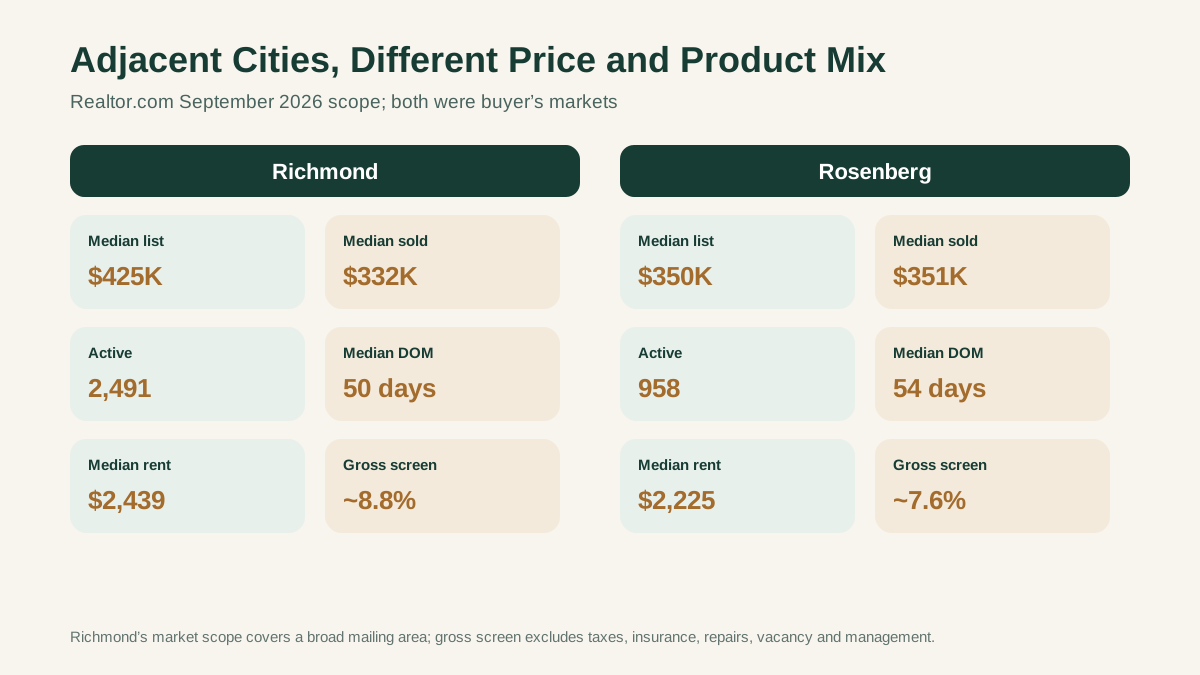
- Realtor.com’s September 2026 scope showed a $425,000 median list price for Richmond and $350,000 for Rosenberg. Both were buyer’s markets, but the product mix is very different.
- Lamar CISD was B/87 in 2026, with George Ranch, Foster and Terry among A-rated high schools. Some Richmond mailing addresses use Fort Bend ISD instead.
- Richmond offers more newer master-planned, Sugar Land-oriented and higher-end product. Rosenberg mixes lower-entry older homes with newer growth corridors.
- Richmond’s confirmed 2026 city rate was $0.63000 per $100; Rosenberg’s 2026 tax-year rate was $0.30000. City tax is one layer—MUD/PID and school tax can create the larger payment difference.
Boundaries first: a Richmond mailing address is not Richmond city
The incorporated City of Richmond covers about five square miles around Fort Bend County government, Morton Street and the Brazos River. The Richmond mailing area stretches across large parts of 77406, 77407 and 77469. Pecan Grove, Aliana, Harvest Green, Long Meadow Farms, Fieldstone and some Grand Parkway communities can have little relationship to Richmond municipal services.
Rosenberg covers a much larger footprint—about 37 land square miles in the 2020 Census—centered on US 90A, Highway 36, I-69 and the rail network, with substantial residential and industrial growth to the south and southwest. The cities touch, but police, utilities, tax rates and development patterns do not merge.
How far are Sugar Land, Chinatown, TMC and Downtown?
These OSRM/OpenStreetMap estimates use the Richmond courthouse and Rosenberg City Hall as separate origins and assume clear traffic. A 77407 home near Grand Parkway can be closer to Chinatown than historic Richmond. A home deep along FM 762 or southwest Rosenberg needs subdivision-exit time added.
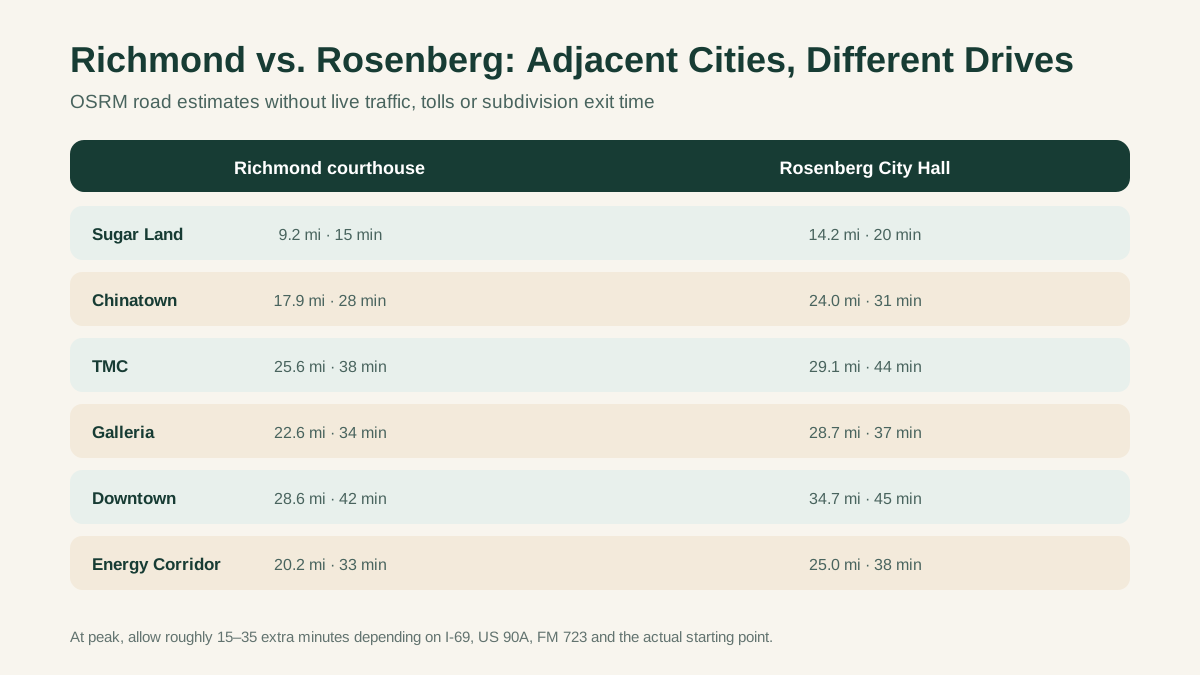
- Sugar Land Town Square: Richmond 9.2 miles/15 clear minutes; Rosenberg 14.2 miles/20 minutes.
- Houston Chinatown: Richmond 17.9 miles/28 minutes; Rosenberg 24.0 miles/31 minutes.
- Texas Medical Center: Richmond 25.6 miles/38 minutes; Rosenberg 29.1 miles/44 minutes.
- Galleria: Richmond 22.6 miles/34 minutes; Rosenberg 28.7 miles/37 minutes.
- Downtown Houston: Richmond 28.6 miles/42 minutes; Rosenberg 34.7 miles/45 minutes.
- Energy Corridor: Richmond 20.2 miles/33 minutes; Rosenberg 25.0 miles/38 minutes.
These are not peak-hour promises. I-69, Grand Parkway tolls, FM 723 work, US 90A rail crossings and school traffic can materially change the trip. Test the exact address on a weekday morning.
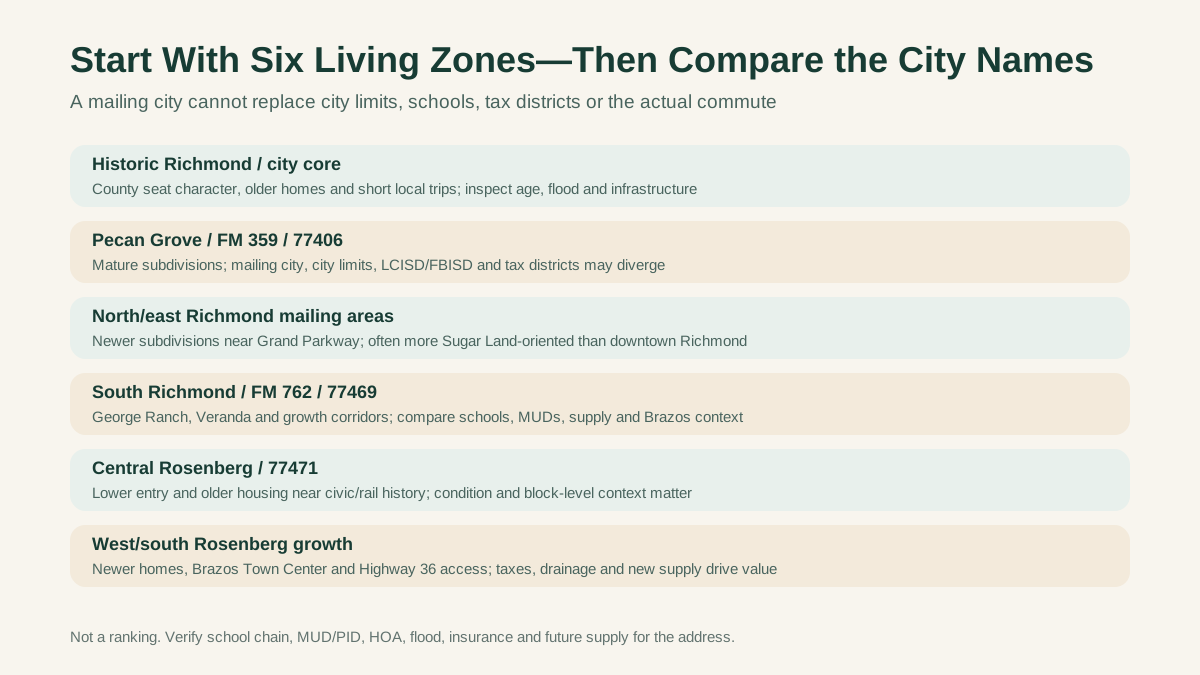
Six living zones produce six different daily lives
Historic Richmond: county-seat access, culture and older housing
Fort Bend Museum, the historic courthouse, Wessendorff Park and George Memorial Library anchor the core. Local government, medical and cultural access are practical strengths. Home age, renovation quality, infrastructure, river flooding and bank erosion require deeper review.
Pecan Grove, FM 359 and 77406: mature canopy and established subdivisions
This area offers mature detached homes, larger lots and established streets, with useful access toward Grand Parkway and Westpark Tollway. One ZIP can cross LCISD, FBISD, MUDs, HOAs and unincorporated areas. For 1980s–2000s homes, put roof, HVAC, plumbing, foundation and drainage in a five-year budget.
77407 and northeast Richmond mailing areas: more Sugar Land-oriented
Aliana, Fieldstone and newer communities near Grand Parkway often connect more naturally to Sugar Land, Westpark and Energy Corridor than to downtown Richmond. Homes are newer and Asian amenities are closer, while price, MUD cost and future density can be higher.
FM 762, George Ranch and Veranda: where historic Richmond meets growth
This corridor combines planned communities, new construction, the Fort Bend County Epicenter and George Ranch-area growth with direct I-69 access. Compare assigned LCISD campuses, MUD/PID, builder inventory, Brazos watershed context and planned road work.
Central Rosenberg and older 77471: lower entry with wider condition spread
Homes near US 90A, Avenue H and the railroad museum span many decades. A lower price may come with smaller size, older systems, rail noise or block-level differences. Look past cosmetic updates to electrical, plumbing, foundation, roof, drainage and permits.
Southwest Rosenberg growth: new housing, retail and industry
Brazos Town Center, Highway 36, Seabourne Creek and I-69 support new homes, retail, logistics and manufacturing. The tradeoff for lower-entry new construction is more new supply, possible MUD cost, active road work, drainage projects and a longer Houston commute.
Schools: LCISD performed well, but “Richmond” can cross districts
Lamar CISD earned B/87 in the 2026 TEA system, with 41 campuses rated A or B. George Ranch High was A/94; Foster, Terry, Fulshear and Tomas were also A, while Lamar Consolidated and Randle were B. The campus and program still matter more than one district label.
The common surprise is that many Richmond mailing addresses use Fort Bend ISD. On offer day, confirm elementary, middle and high school through the official address tool, then review current ratings, domains, programs and boundary notices at TXschools.gov. New campuses and capacity changes can move boundaries.
Asian amenities: northeast Richmond has the practical edge
The densest Asian groceries and dining remain in Sugar Land, Highway 6, Stafford and Bellaire Boulevard. Northeast Richmond and 77407 are most convenient, followed by historic Richmond. Rosenberg is still workable for periodic trips, but repeated weekly errands add time.
Census 2020–2024 estimates put foreign-born residents at 22.7% in Rosenberg and 18.0% in Richmond, with a non-English language at home at 47.9% and 41.9%. These are citywide service-demand signals, not descriptions of any street or resident.
Parks, culture and recreation: history and open space are real strengths
Richmond’s George Park covers about 217 acres, roughly 60 developed, with fields, trails, playgrounds and sports facilities. The city core also includes Wessendorff Park, Clay Park, Fort Bend Museum and George Memorial Library. Rosenberg’s 208.9-acre Seabourne Creek Nature Park has a four-acre lake, six-acre wetland, 20 acres of prairie, 3.1 miles of trails and more than 212 recorded bird species.
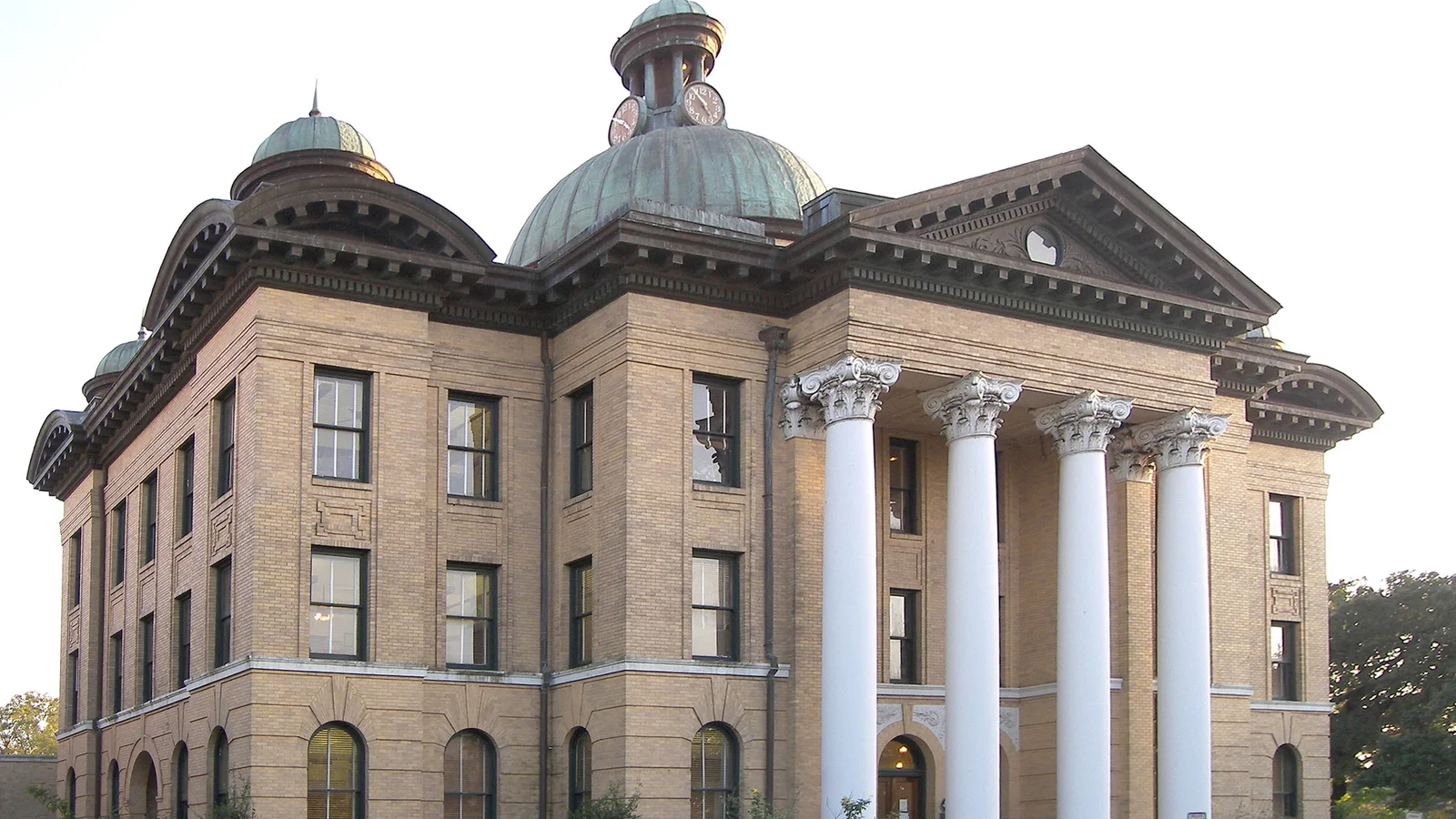
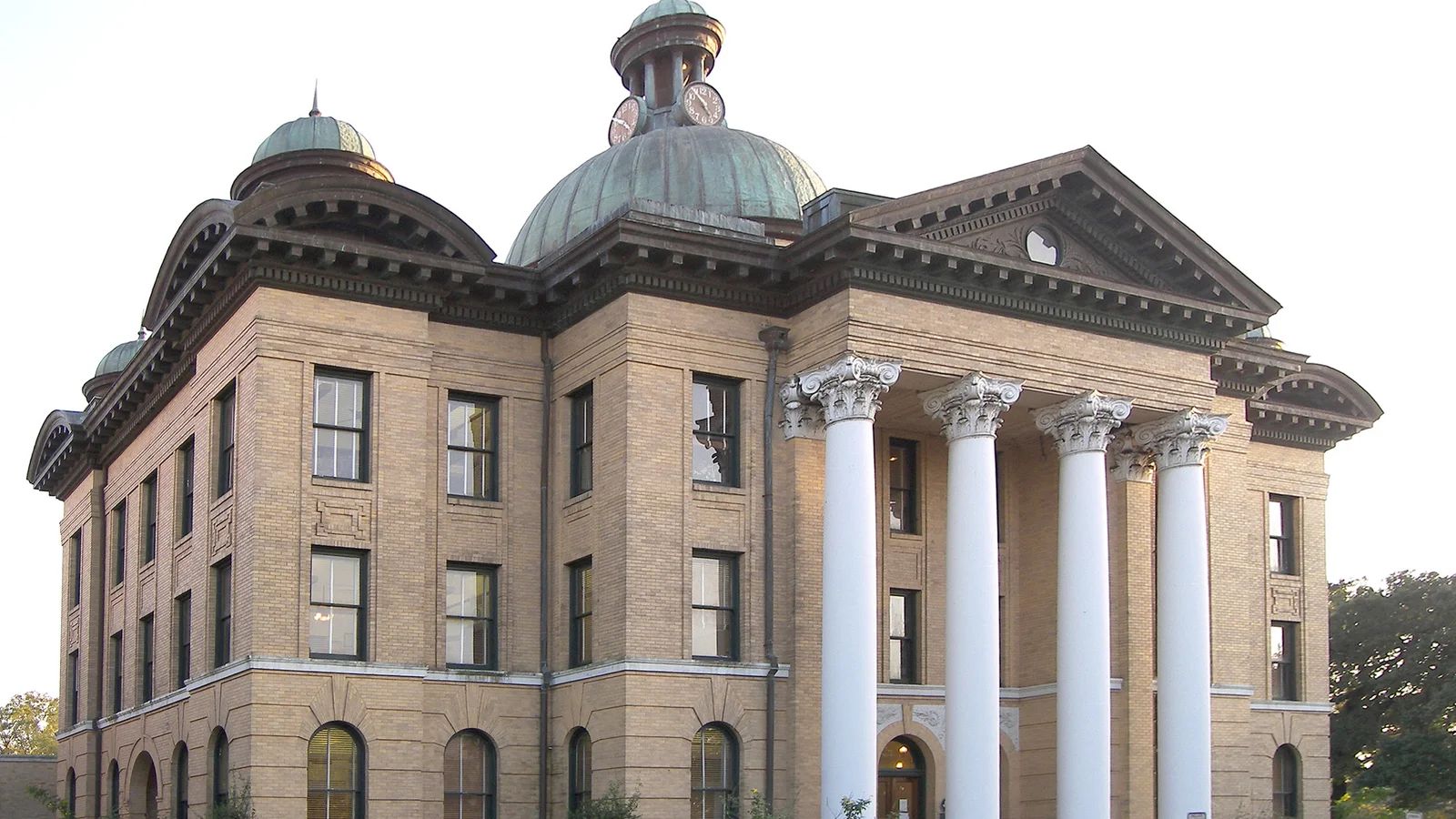
Photo: the historic Fort Bend County Courthouse in Richmond, photographed in 2008. Source: Wikimedia Commons, Larry D. Moore, CC BY 4.0. Center-cropped, resized and compressed; no generative edits.
Who lives here? Separate city statistics from the Richmond mailing market
U.S. Census 2025 estimates show 13,389 residents in Richmond and 42,701 in Rosenberg, up 15.0% and 11.6% from the 2020 estimate bases. The 2020–2024 median household incomes were about $50,337 and $65,668; owner occupancy was 53.5% and 54.4%; mean commute was 29.2 and 30.2 minutes.
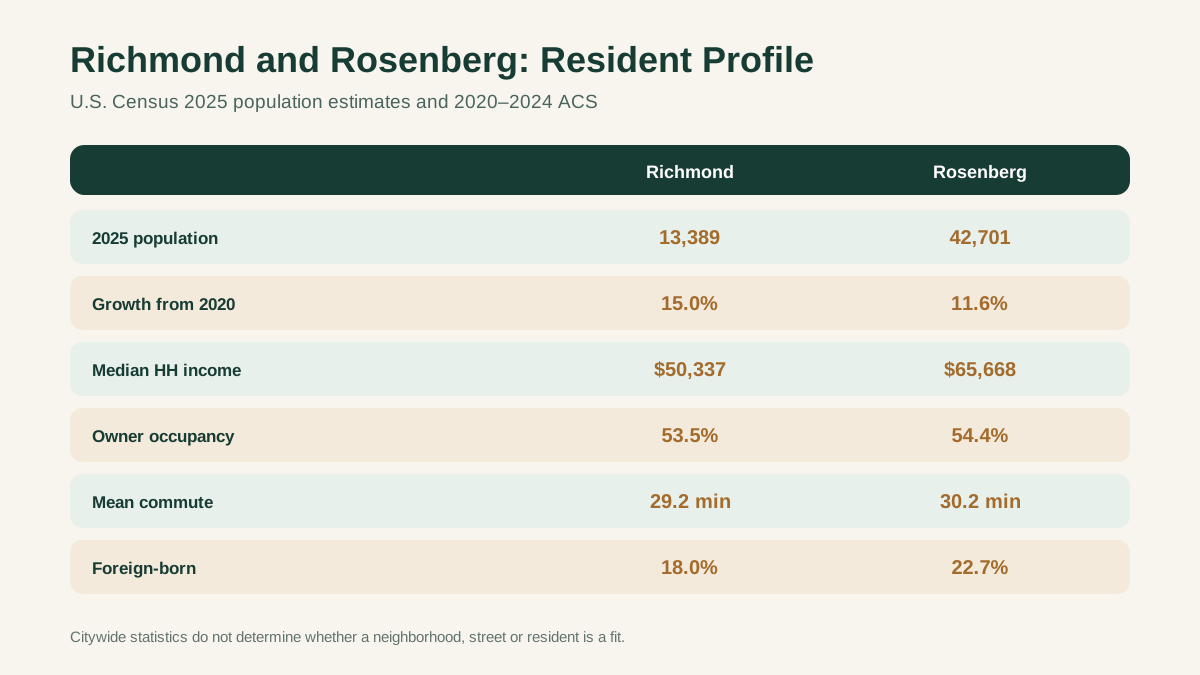
Richmond city income does not describe high-priced planned communities in 77406 or 77407 because the mailing area is far larger than city limits. Census tract, schools, tax district, age and commute are more useful to a home decision than one city average.
Jobs: government, education, health care, retail, logistics and manufacturing
As the Fort Bend County seat, Richmond has meaningful government, court, medical, education and professional-service employment, with additional access to Sugar Land employers and southwest Houston. Rosenberg employers and industries include Lamar CISD, Texana Center, Frito-Lay, county offices, retail, manufacturing, warehousing and distribution.
I-69, Highway 36, three major rail facilities and available land support Rosenberg’s industrial and logistics growth. That creates jobs, while buyers should still measure freight, road construction and industrial adjacency.
Safety: match the street to the responding agency
Richmond Police, Rosenberg Police, the Fort Bend County Sheriff and special-district or unincorporated-area service boundaries may all apply. Citywide crime rates are sensitive to population, commercial corridors, classification and reporting periods, so I do not use one score to price a street.
Visit on a weekday morning and evening, weekend and after dark. Observe lighting, parking, road speed, rail activity, vacant homes, nearby retail and subdivision access, then review public data from the responding agency.
Prices: Richmond is higher mainly because its mailing market is broader
Realtor.com’s September 2026 scope showed Richmond at a $425,000 median list price, $332,221 median sold price, about 2,491 active listings, 50 median days on market and $169 per square foot. Rosenberg showed $350,000 list, $351,453 sold, about 958 active, 54 days and $152 per square foot. Both were buyer’s markets.
Richmond’s same market scope can include lower-$200,000s older homes, $300,000–$500,000 established detached homes, and $500,000-plus planned or luxury homes. Rosenberg can start lower in the older core while new and larger homes reach $400,000–$600,000-plus. A city median cannot price one house.
Taxes and carrying cost: Rosenberg’s lower city rate is not the full bill
Richmond’s confirmed 2026 city rate was $0.63000 per $100. The city published $0.62000 as a maximum rate under consideration for FY2027, so use the final address bill. Rosenberg’s 2026 tax-year city rate is $0.30000. City tax is only one layer alongside county, drainage, school and address-specific MUD/PID charges.
Newer communities can carry MUD or PID costs. Older areas may have a lower rate but higher roof, HVAC, foundation, plumbing, insurance and energy costs. Compare principal, interest, all taxes, insurance, HOA and maintenance under the same loan assumptions.
Flood, drainage and the Brazos River: Zone X is not the full answer
The Brazos River crosses Richmond. A city study documents accelerated bank erosion after the 2015, 2016 and Harvey floods along an approximately eight-mile reach. Rosenberg is investing roughly $47.6 million in Dry Creek, Rabbs Bayou, Theater Ditch and Graeber Road mitigation—evidence that drainage is both a risk and an active public investment.
- Check the parcel in Richmond or Rosenberg GIS, Fort Bend DFIRM and FEMA—not the ZIP code.
- Ask about Harvey and later storms for the house, street, access and insurance claims.
- Inspect lot elevation, yard slope, inlets, ditches, detention, river/bayou adjacency and rail underpasses.
- Obtain homeowners, flood and relevant supplemental quotes during the option period.
- Use insurance or engineering help near a riverbank, bayou, levee or map boundary.
Investment: Richmond’s gross screen is higher, but the product mix distorts it
In September 2026, Richmond showed about 618 rental listings and a $2,439 median rent. Annual rent divided by median sold price is roughly 8.8%. Rosenberg showed about 200 rentals, $2,225 median rent and a 7.6% screen. Neither is cap rate, and the sold and rental homes are not the same product set.
- Northeast Richmond can reach Sugar Land, Energy Corridor and Westpark tenants, with higher acquisition and tax costs.
- Rosenberg can serve education, county, medical, manufacturing, logistics and retail tenants with lower entry.
- New houses and apartments can limit rent growth in expansion corridors.
- Stress-test one major repair, one vacant month, 5% lower rent and higher insurance.
- School assignment, three- to four-bedroom layouts, parking, commute roads and management define the tenant pool.
Growth potential: population is rising, and so is competing supply
Estimated 2020–2025 growth was 15.0% in Richmond and 11.6% in Rosenberg. FM 723 expansion, I-69, the Brazos Town Center connection, Highway 36, the Epicenter, subdivisions and industrial/logistics investment will keep changing west Fort Bend.
Growth does not guarantee uniform appreciation. Builder incentives, MUD tax, road construction, school boundaries, drainage work and renovation quality decide how one property competes over five to ten years.
Why buyers choose Richmond—and why others choose Rosenberg
Richmond is more likely to fit when
- Sugar Land, Grand Parkway, Westpark or Energy Corridor access matters more.
- You want more choice among mature subdivisions, new construction and higher-end product.
- You will pay more for a specific school, amenity package or location.
- You value the historic core and county services and will complete old-home and flood diligence.
Rosenberg is more likely to fit when
- Budget prioritizes detached-home size, garage space and a lower entry point.
- Your job is in west Fort Bend, education, county government, logistics, manufacturing or along I-69/Highway 36.
- You can accept a longer peak trip to Houston’s core.
- You will screen both older homes and new growth for condition, taxes and supply.
My seven-part filter before comparing listings
- Is the address actually in Richmond, Rosenberg or an unincorporated area?
- Is it LCISD or FBISD, and what is the full elementary-middle-high chain?
- What is the payment after city, county, school, MUD/PID and HOA?
- What is the weekday morning drive from the exact driveway?
- What do roof, HVAC, foundation, plumbing and drainage require over five years?
- Do FEMA, county/city maps, history and insurance quotes agree?
- How much builder, resale and rental supply is still coming in the next two years?
For a southwest comparison, place this guide next to Sugar Land, Missouri City and Fulshear using one payment, commute, school and condition worksheet.
FAQ
Is every Richmond address inside Richmond city limits?
No. The mailing city covers large unincorporated and special-district areas. Use official GIS to confirm municipal services, police, water and tax districts.
Are Richmond and Rosenberg both entirely in Lamar CISD?
Most Rosenberg addresses and much of central/southwest Richmond use LCISD. Northeast Richmond and parts of 77406/77407 can use FBISD. Verify every address.
Does Rosenberg’s lower city rate guarantee a lower payment?
No. City tax is one component. Price, school tax, MUD/PID, insurance, HOA and condition can offset it.
Which city is better for a rental?
Richmond can offer stronger rents and commuter demand; Rosenberg can offer lower entry and local-industry tenants. Net cash flow must use the property’s full tax, insurance, repairs, vacancy and competing supply.
Sources and verification date
Population: U.S. Census Richmond and Rosenberg QuickFacts; market: Realtor.com Richmond and Rosenberg; schools: LCISD 2026 accountability; taxes: Richmond and Rosenberg; flood/drainage: Richmond GIS, Brazos River study and Rosenberg mitigation projects. Facts checked October 2026.
Joyce's Featured Listings
Once the Richmond mailing geography and Rosenberg tradeoffs are clear, the listing search becomes much more focused. This page gathers Joyce’s current Greater Houston featured listings without tying a long-term guide to one property’s changing status.
View Joyce's Featured Listings
Want me to narrow Richmond–Rosenberg to three zones that actually fit?
Send me your budget, job locations, maximum commute, children’s grades, new-versus-mature preference, holding period and monthly ceiling. I can compare campus, full tax, MUD/PID, flood, insurance, condition and future supply by address.
About Joyce Tang

Joyce Tang is a Greater Houston real estate agent and investor, co-founder of the North American Real Estate Association, founder of JoyHome and JoyNest, and co-leader of the Dr. Wang Real Estate Team.
She has helped more than 200 families buy or sell homes and has participated in more than 40 renovation projects. Her approach examines not only price, but also location, carrying cost, cash flow, risk and future exit options.
Important notice
This guide is for area and home-search screening. It is not a school assignment or admission guarantee and is not crime-safety, engineering, flood, insurance, tax, legal or investment-return advice. Prices, inventory, rents, ratings, boundaries, roads, taxes, MUD/PID, insurance and risk maps change. Verify current property-specific facts, quotes and professional documents before buying.