
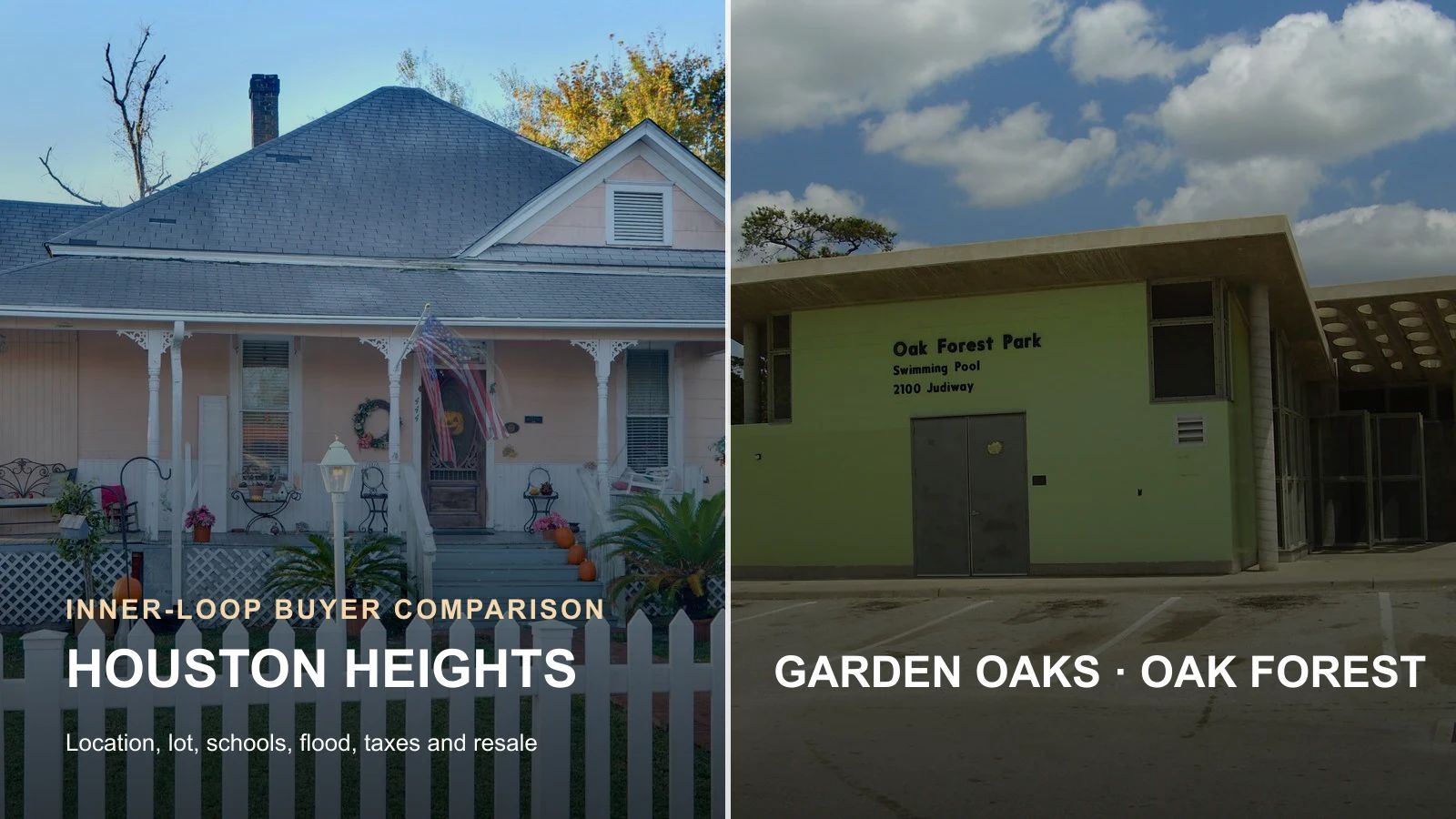
The short answer: Houston Heights usually wins when you want the shortest Downtown access, more walkable pockets and a stronger restaurant-and-trail lifestyle. Garden Oaks and Oak Forest usually make more sense when a larger lot, mature trees and a quieter residential rhythm matter more than being closest to the urban core.
But these names are not interchangeable price tags. “The Heights” includes historic districts, non-historic blocks, townhome clusters and luxury infill. Garden Oaks and Oak Forest also contain very different sections, deed restrictions, home ages and drainage conditions. I would choose the address only after the house, lot and recurring cost all pass the test.
My one-minute comparison
Heights: closer to Downtown and the inner-loop lifestyle; more bungalows, townhomes and high-end infill; smaller lots and tighter parking are more common.
Garden Oaks: planned prewar garden-suburb character, curving streets and larger-lot homes, but current prices can be pushed up by luxury new construction.
Oak Forest: a much larger postwar area with ranch homes, additions and new builds; value changes materially by section, street and drainage history.
All three areas are primarily served by Houston ISD, but school assignment and program access must be verified by the exact address.
Flood and drainage questions are parcel-specific. Being in Zone X or outside a bayou floodway is not the same as having no water risk.
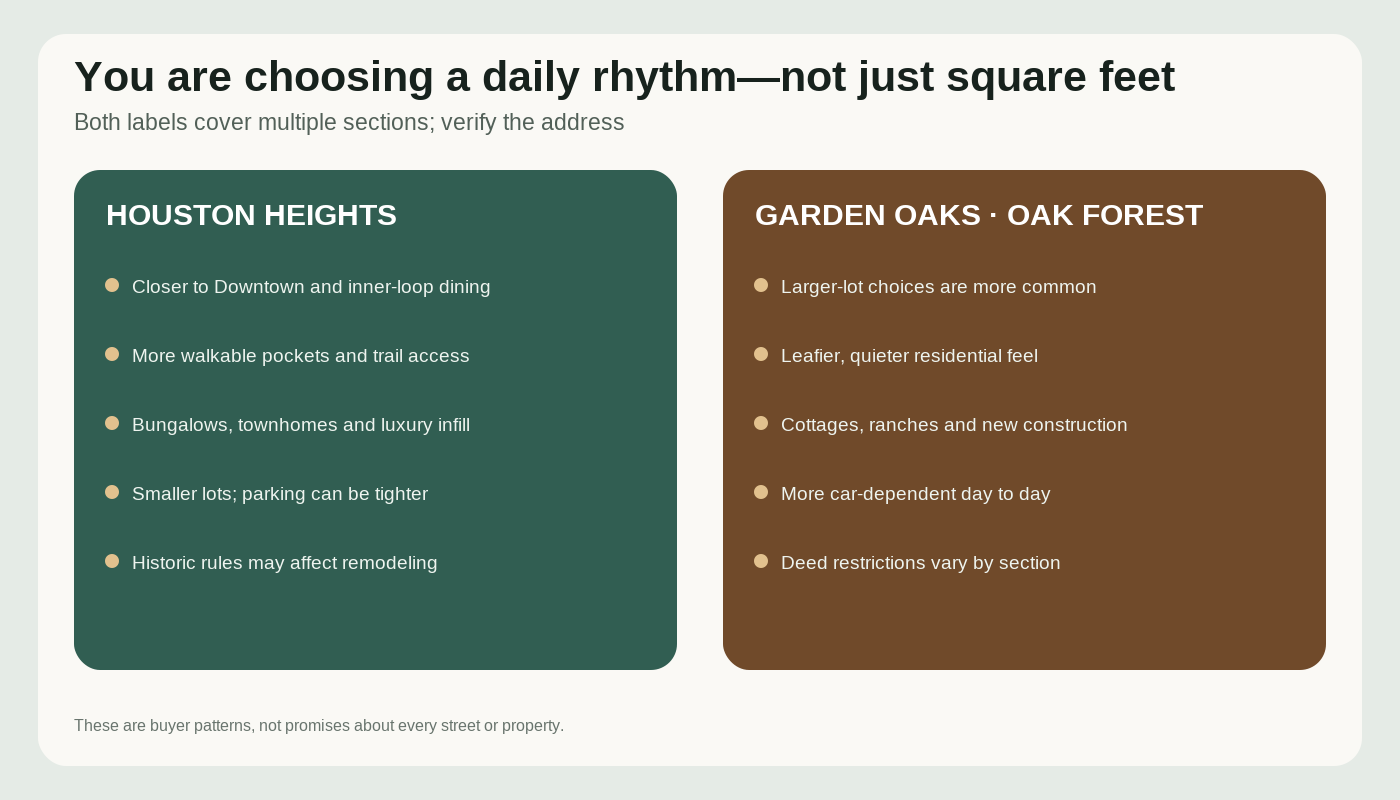
Where are these areas, exactly?
Greater Heights sits just northwest of Downtown, roughly inside and around the North Loop. The everyday Heights people picture often centers on 19th Street, Heights Boulevard, Yale, Shepherd and the White Oak Bayou trail. The legal Houston Heights subdivision, the City’s Greater Heights Super Neighborhood and the broader marketing label “The Heights” are not the same boundary.
Garden Oaks and Oak Forest sit north of Loop 610 and east of US-290. The City groups much of them in the Central Northwest Super Neighborhood, generally bounded by Pinemont, Shepherd, North Loop West and US-290. Garden Oaks began as a prewar garden suburb; Oak Forest expanded after World War II and became one of Houston’s largest residential developments.
Commute: Heights has the clearest Downtown advantage
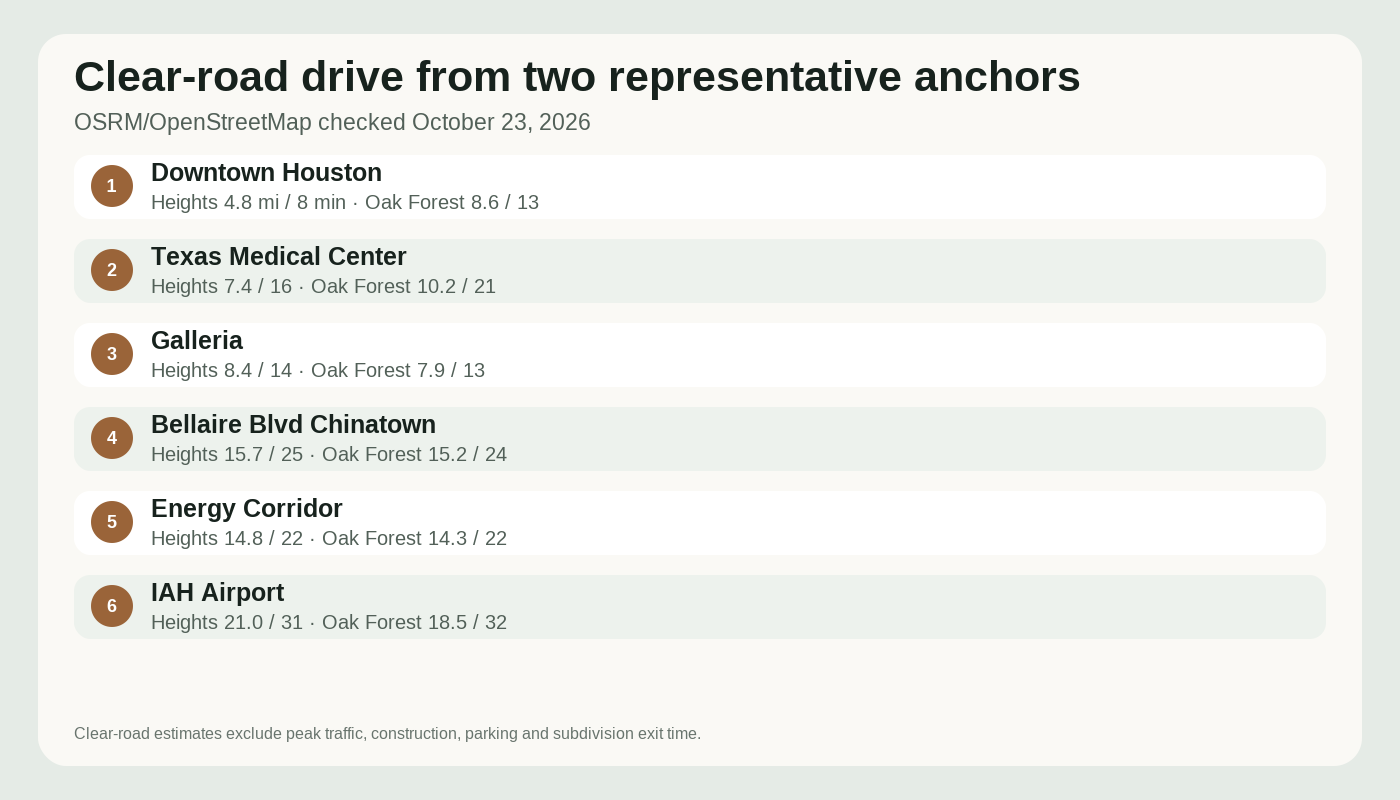
Using the Heights Theater and Oak Forest Neighborhood Library as representative anchors, the clear-road route to Downtown Houston is about 4.8 miles / 8 minutes from Heights and 8.6 miles / 13 minutes from Oak Forest. To the Texas Medical Center, the estimate is about 16 versus 21 minutes. Galleria access is nearly even at about 14 versus 13 minutes.
Neither area is an Asian commercial hub. The clear-road estimate to a Bellaire Boulevard Chinatown anchor is about 25 minutes from Heights and 24 minutes from Oak Forest. Energy Corridor trips are both about 22 minutes. These are orientation points, not rush-hour promises; school traffic, rail crossings, construction, parking and the actual driveway can change the result.
Housing: compare product first, neighborhood second
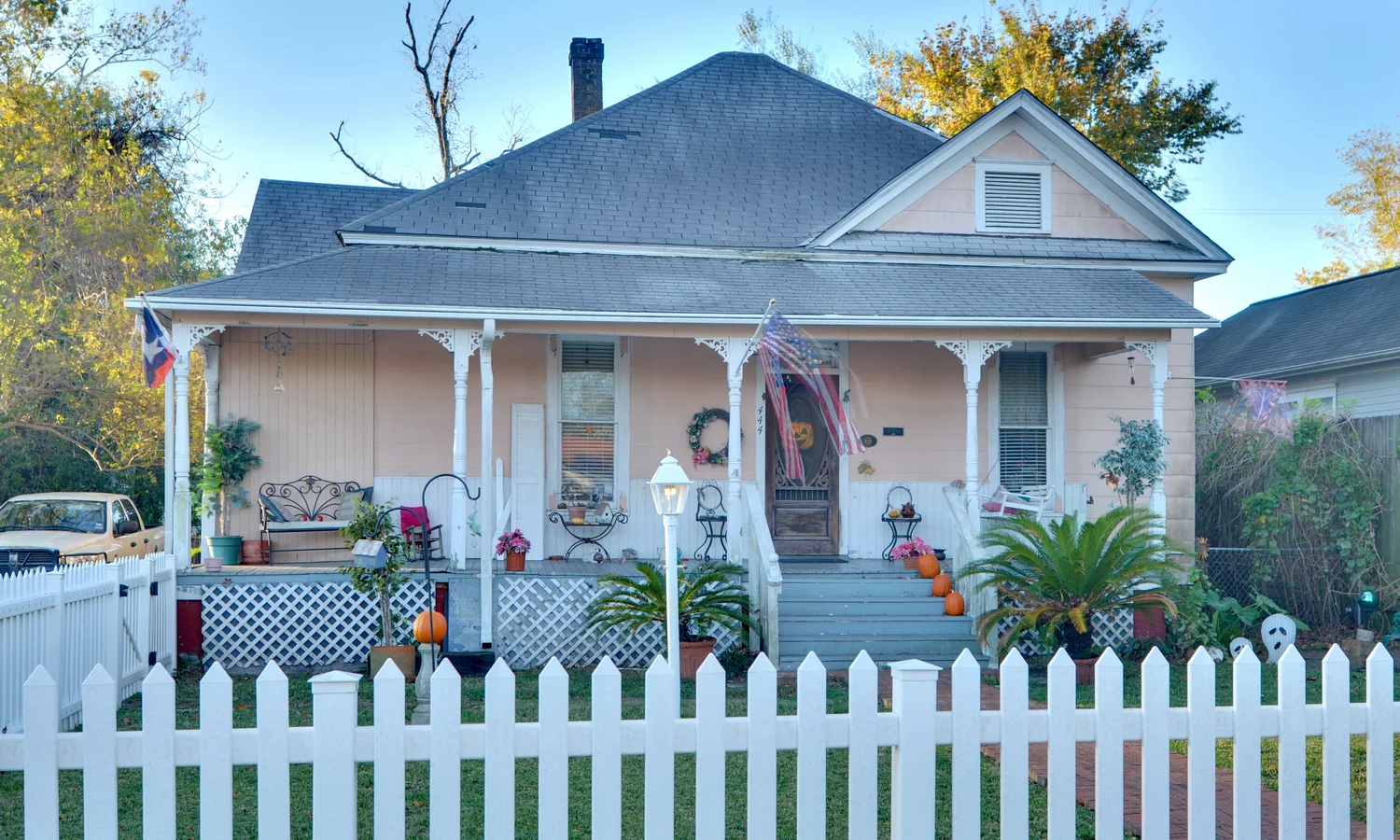
The Heights photo above shows the scale and porch-forward character many buyers associate with the area. In practice, you may be comparing a restored bungalow with an older foundation and sewer line, a narrow-lot townhome with shared access, or a new luxury home on a premium block. Two homes at the same price can have completely different land value, parking, historic constraints and future resale pools.
Garden Oaks commonly offers cottages, renovated mid-century homes and large new construction on curving, tree-lined streets. Oak Forest has many postwar ranches, expanded homes and teardown/new-build combinations. Larger lots are more common than in Heights, but “Oak Forest” is too broad to price as one neighborhood. East versus west, north versus south, busy corridors and specific subdivision sections all matter.
What do homes cost? Three snapshots, not one market
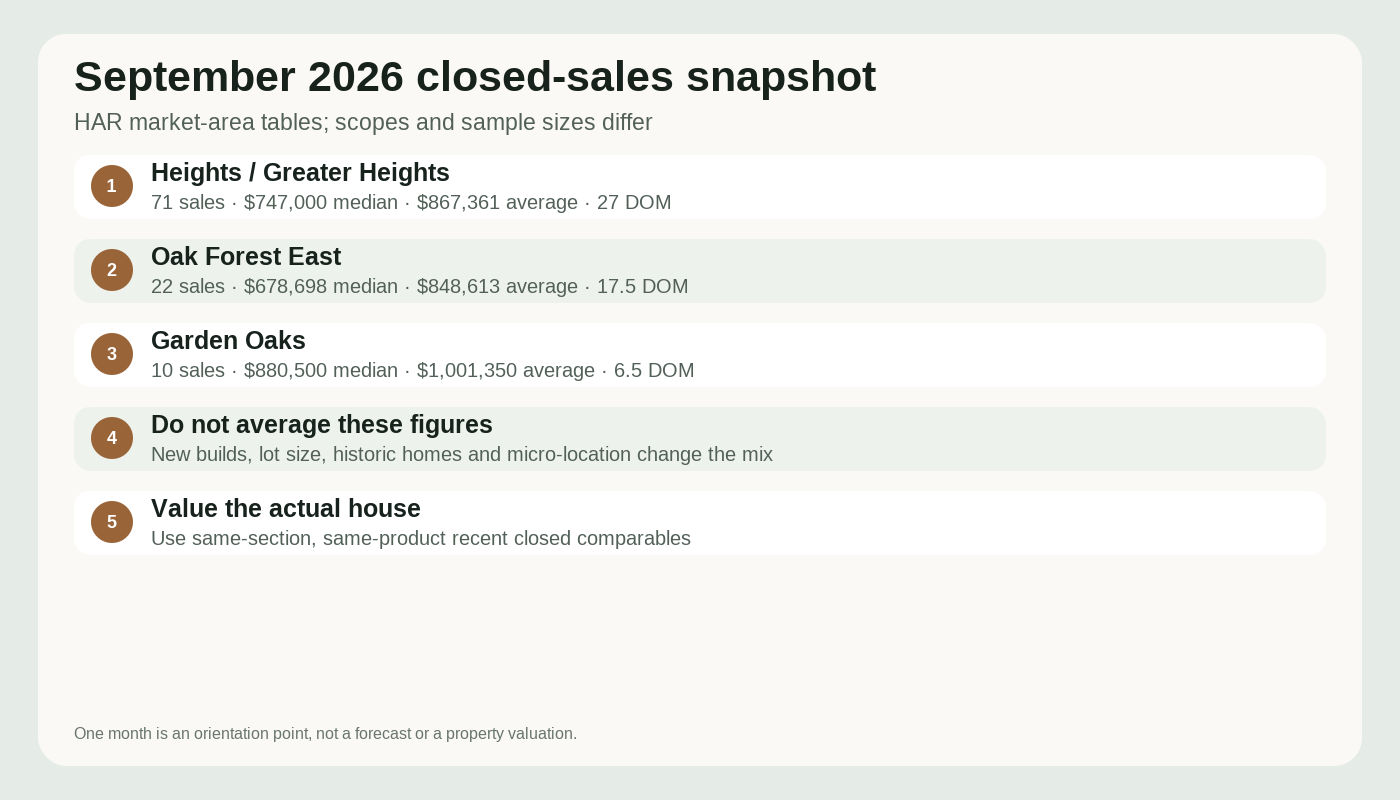
HAR’s September 2026 closed-sales tables show a $747,000 median in Heights/Greater Heights from 71 transactions, a $678,698 median in Oak Forest East from 22 transactions, and an $880,500 median in Garden Oaks from only 10 transactions. Average prices were higher in all three groups because expensive infill and large homes pull the mix upward.
I would not read those figures as “Garden Oaks costs more than Heights” or “Oak Forest always costs less.” The market-area boundaries differ; one month is a small sample; and the mix of ranch homes, townhomes, historic houses, new builds and oversized lots changes the median. For an offer, I use recent closed sales from the same section and product type—not a neighborhood-wide average.
Schools: address assignment first, ratings second
These areas are primarily in Houston ISD. In the 2026 Texas accountability results, Harvard Elementary in the Heights was rated A/90 and Oak Forest Elementary was rated A/95; Garden Oaks Montessori was rated A/90. Those are examples, not guarantees. A home with a Heights, Garden Oaks or Oak Forest mailing label may be assigned elsewhere, and magnet or Montessori admission can involve separate rules.
Before a buyer relies on a school, I check the current HISD address assignment, the applicable school year, transportation and program rules. Ratings and boundaries change, and a real estate advisor cannot promise a future assignment or admission.
Historic rules and deed restrictions can change your remodeling plan
The Heights has several City-designated historic districts, but not every Heights home is inside one. In a designated district, exterior alterations, additions, relocation or demolition may require a Certificate of Appropriateness. Minimum-lot-size protections, minimum-building-line rules and private deed restrictions can also apply on particular blocks.
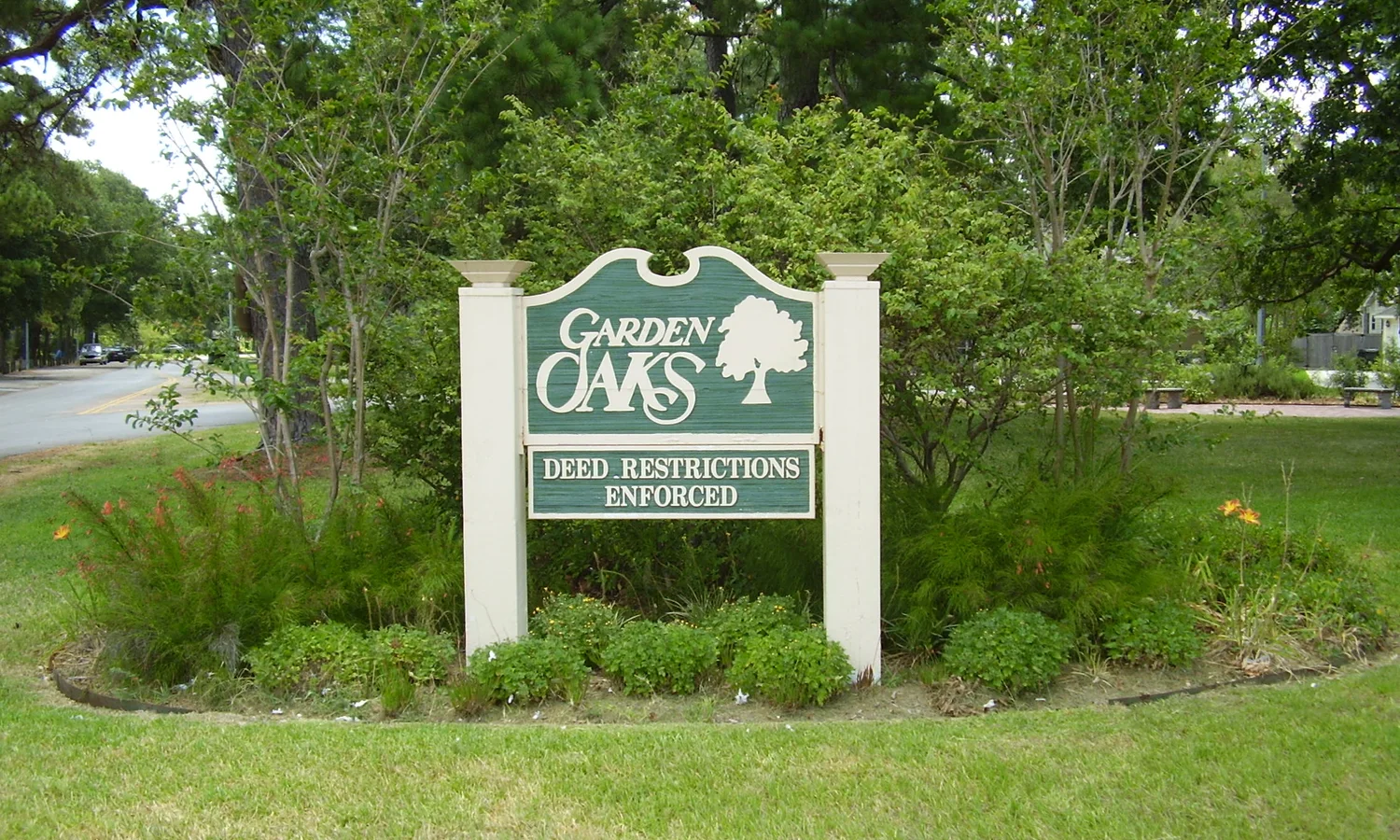
Garden Oaks and Oak Forest have deed-restricted sections, as the real Garden Oaks sign above makes clear, but there is no single universal HOA or restriction package for every address. Before pricing a renovation, read the title documents, recorded restrictions, subdivision rules and City permit history. A “big lot” is not automatically a blank canvas.
Flood, drainage and the White Oak Bayou watershed
White Oak Bayou and its tributaries—including Little White Oak, Brickhouse Gully, Cole Creek and Vogel Creek—shape the drainage story in this part of Houston. A property may be outside a mapped high-risk flood zone and still have street flooding, poor lot grading, a low garage, overloaded drainage or a prior claim.
For each address I check the current FEMA map, Harris County Flood Control resources, seller disclosure, available claim history, finished-floor elevation when available, drainage paths, nearby channels and wet-weather access. I also want flood and homeowners insurance quotes while the option period can still affect the decision. Zone X means lower mapped risk, not zero risk.
Older home or new build? Both require a real inspection strategy
For an older home, I pay close attention to foundation performance, under-slab or yard sewer lines, galvanized or other aging supply piping, electrical panels and wiring, roof and HVAC age, termites, drainage, additions and permits. Age may also justify specialist testing for lead paint or asbestos-containing materials; appearance alone cannot confirm either.
For a new build, I look at drainage between close homes, lot coverage, roof and flashing details, stucco or cladding installation, tree-root conflicts, builder warranty and what may be built next door. “New” reduces some age-related risk; it does not replace an independent inspection.
Parks, dining and daily life
Heights offers 19th Street shops, restaurants, Heights Boulevard, the M-K-T/Heights Mercantile area and trail access toward White Oak Bayou. Some pockets support a genuinely walkable weekend; other blocks still require a car, and parking or event traffic can be part of the tradeoff.
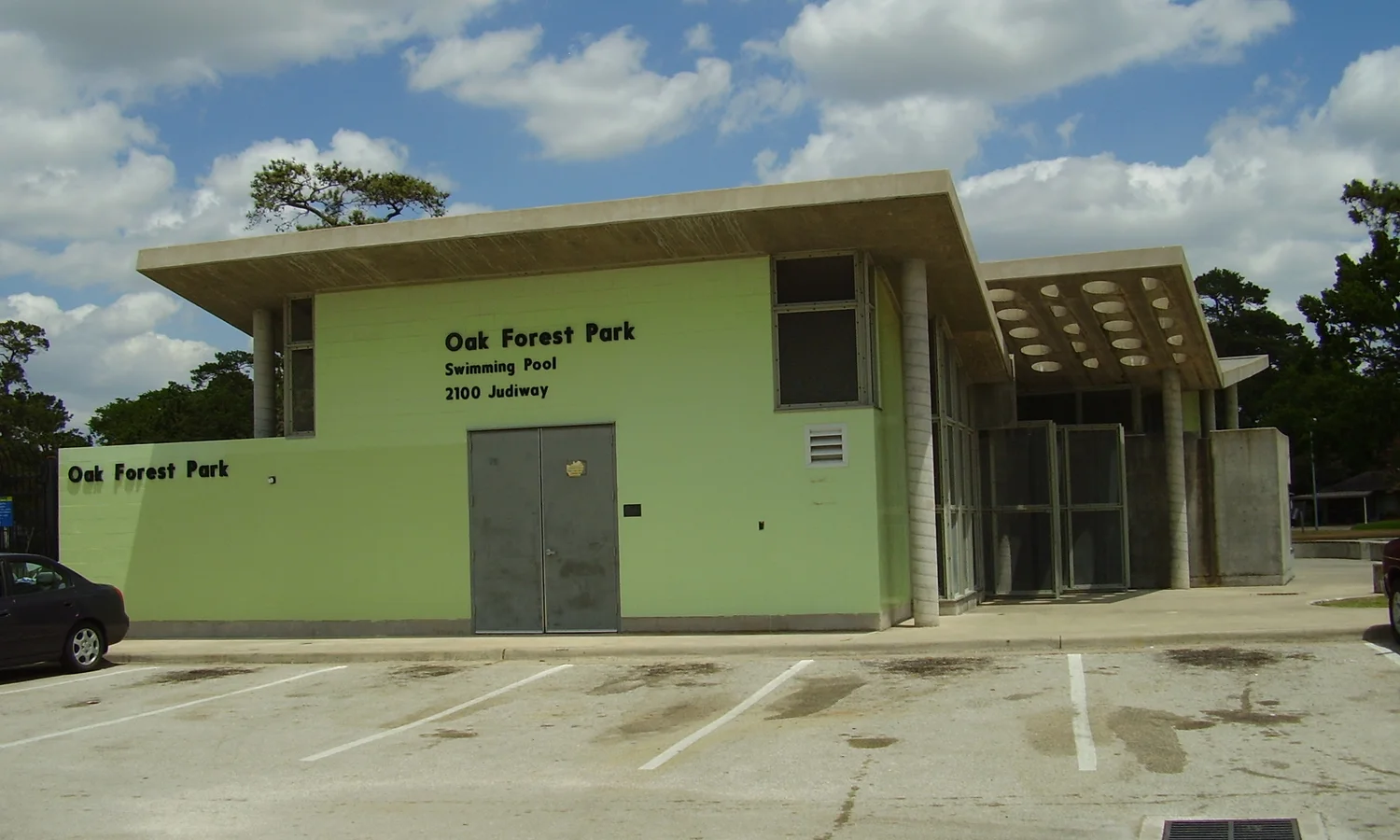
Garden Oaks and Oak Forest feel more residential. Oak Forest Park, tree-lined streets and access toward TC Jester and White Oak Bayou support outdoor life, while Shepherd, Ella and 34th Street carry restaurants and everyday services. The area is generally more car-dependent, but the larger-lot, quieter-street trade may be exactly what a buyer wants.
Taxes, insurance and the cost you do not see in the asking price
These addresses are commonly inside the City of Houston, Harris County and Houston ISD, but the exact tax entities, exemptions and rate must come from the current HCAD record and tax bill. HISD’s 2026 rate is $0.8421 per $100 of value; the City of Houston’s posted 2025 rate is $0.519190. County, flood control, hospital district, port, community college or other units may also apply.
Unlike many outer-suburban new-home markets, these areas often do not carry a new MUD tax—but do not assume that from the neighborhood name. Insurance, flood coverage, tree care, foundation or sewer work and older-system maintenance can outweigh a tax-rate difference. I compare the complete annual ownership cost.
Safety: there is no responsible one-number answer
All three areas are within Houston’s urban fabric, with different police beats, commercial corridors, parks and traffic patterns. I use the current Houston Police incident/beat resources for the actual address, then visit in daylight and after dark. Lighting, visibility, parking, nearby land uses and the route home matter more than a generic neighborhood color on a private website.
Investment and resale: the yield is usually not the whole story
High acquisition prices mean a simple gross rent-to-price ratio can look modest. Heights townhomes may have a clearer professional-renter pool, but HOA, shared-access issues and competing units matter. A Heights bungalow or Garden Oaks/Oak Forest lot may carry more land value, but maintenance, insurance and teardown/infill competition also rise.
For a rental, I use recent executed leases for the same product, then subtract taxes, insurance, vacancy, management, repairs, capital reserves and association costs. For resale, I ask who the next buyer will be: someone paying for walkability and proximity, or someone paying for lot size, trees and a quieter street. Neither path guarantees appreciation.
Which area fits which buyer?
Start with Houston Heights if
Downtown access and an inner-loop lifestyle are worth paying more per lot or square foot.
You use trails, restaurants and neighborhood retail often enough to value proximity.
You can accept smaller lots, tighter parking or a townhome layout.
You are willing to investigate historic rules and older-home systems.
Start with Garden Oaks or Oak Forest if
A larger yard, mature trees and a more residential street matter more than maximum walkability.
You want to compare ranch homes, renovations and new construction in one search.
Your commute is oriented to Galleria, Northwest Houston, US-290 or multiple job centers.
You are willing to compare section-by-section restrictions, drainage and price.
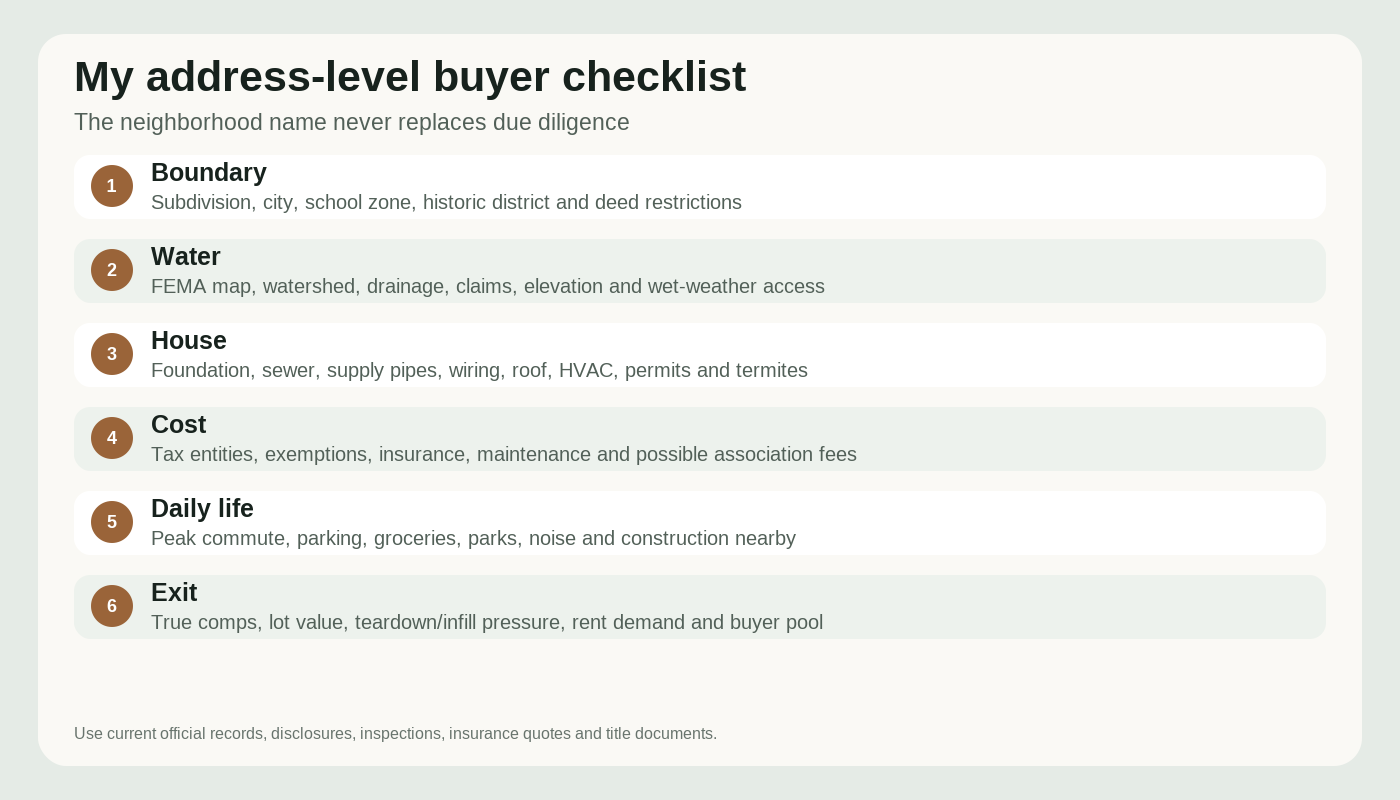
My address-level checklist before an offer
Confirm the legal subdivision, City boundary, HISD assignment, historic district status and deed restrictions.
Check FEMA, watershed, drainage, prior claims, elevation and wet-weather access.
Inspect foundation, sewer, water supply, electrical, roof, HVAC, termites and permitted additions.
Calculate the actual tax entities, exemptions, insurance, association charges and maintenance reserve.
Drive the commute at the real time, then test parking, groceries, parks and nighttime conditions.
Use recent closed comparables from the same section and product; test the future resale and rental pool.
If you are still comparing close-in Houston options, also read my Bellaire–West University buyer guide, Memorial–Energy Corridor guide and Greater Houston city-and-commute overview.
Common questions
Is Garden Oaks always cheaper than the Heights?
No. Garden Oaks has large lots and substantial luxury new construction, so some homes exceed comparable Heights prices. Product, lot and exact block matter more than the label.
Is Oak Forest just one neighborhood?
No. It is a large area with multiple sections, boundaries and property types. “Oak Forest East” market data cannot be applied to every Oak Forest address.
Does a Heights address mean historic restrictions?
Not necessarily. Some properties are in City-designated historic districts and others are not. Check the official map and title documents for the actual address.
Which is better for investment?
Neither wins automatically. Heights may offer stronger proximity demand; Garden Oaks/Oak Forest may offer more land and different tenant or resale appeal. The better choice is the address whose rent, recurring cost, physical condition and exit demand support your plan.
Sources and data date
Geography and history: City of Houston Central Northwest Super Neighborhood and City historic preservation program. Demographics are from City of Houston 2020–2024 ACS Super Neighborhood profiles released in January 2026; these broad areas are not buyer profiles.
Market: HAR Heights/Greater Heights, Oak Forest East and Garden Oaks price-trend tables, September 2026 closed-sales rows. Schools: Texas Education Agency 2026 accountability reports and current HISD address assignment tools. Water: Harris County Flood Control White Oak Bayou watershed and FEMA Map Service Center. Taxes: HISD tax information and City of Houston tax information. Commute: OSRM/OpenStreetMap. Checked October 23, 2026.
Real-photo sources: the Heights house by Ed Uthman, CC BY 3.0; Garden Oaks sign and Oak Forest Park by WhisperToMe, public domain, Garden Oaks source and Oak Forest Park source. Images were cropped, resized and converted to WebP.
Joyce's Featured Listings

Once you know whether you are paying for inner-loop proximity or for land and a quieter residential setting, current inventory becomes much easier to read. Browse Joyce’s Featured Listings to see what today’s budget can look like across Greater Houston; this guide does not link to a single property because listing status changes.
View Joyce's Featured Listings
Want me to compare two actual addresses?
Send me the two addresses, your budget, work locations, school needs, renovation tolerance and expected hold period. I can put commute, school assignment, tax, insurance, flood/drainage, house condition and resale logic in one side-by-side review.
About Joyce Tang

Joyce Tang is a Greater Houston real estate agent and investor, co-founder of the North American Real Estate Association, founder of JoyHome and JoyNest, and co-leader of the Dr. Wang Real Estate Team.
She has helped more than 200 families buy or sell homes and has participated in more than 40 renovation projects. Her approach examines not only price, but also location, carrying cost, cash flow, risk and future exit options.
Important note
This guide is for preliminary neighborhood and property screening. It is not a guarantee of school assignment or admission and is not engineering, flood, drainage, environmental, insurance, tax, legal, appraisal, safety or investment-return advice. Prices, inventory, ratings, boundaries, tax rates and risk maps change. Verify the specific address through current official records, disclosures, inspections, insurance quotes, title documents and qualified professionals before deciding.