
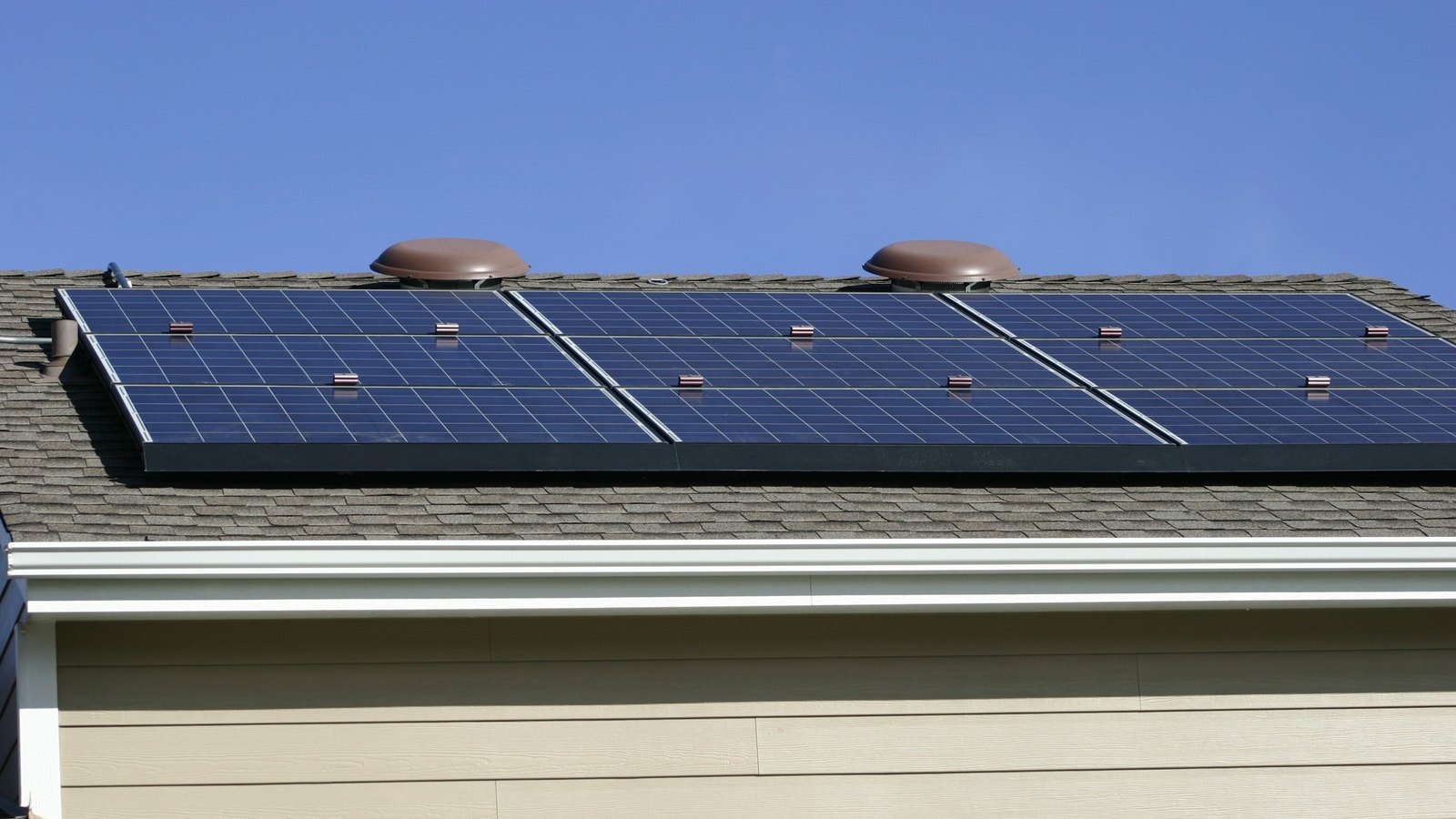
If the solar system is paid off and owned, the sale is usually more straightforward. If a loan, lease or power purchase agreement remains, the seller should confirm the balance, transfer rules, buyer approval and title records before listing—not after an offer arrives.
A common closing problem
The seller accepts a solid offer and the main contract terms are settled. During underwriting, the buyer’s lender notices the rooftop solar system and starts asking who owns it, whether a monthly obligation remains, whether the buyer must assume a contract and whether any financing filing affects title.
Only then does the seller look for an agreement signed years earlier. The documents are incomplete, the solar company’s transfer department is slow to respond and the buyer may need separate credit approval. Nothing new is wrong with the house, but the closing is now exposed to a paperwork delay.
The central issue is not simply that panels are on the roof. It is who owns the system and who remains responsible for the payments.
Step one: identify the solar arrangement
The system is paid off and seller-owned
This is generally the cleanest structure. The seller should still gather the purchase and installation agreement, proof of payoff, equipment and workmanship warranties, service records, utility interconnection documents, recent electric and production records, and any roof documents.
A written payoff record is stronger than a verbal statement. The title company should also confirm that no old financing filing remains unresolved.
A solar loan is still outstanding
The Consumer Financial Protection Bureau explains that a homeowner selling before a solar loan is repaid commonly faces two paths: the buyer legally assumes the loan if the lender permits it, or the seller pays the remaining balance before or at the home sale.
A willing buyer does not make a loan automatically assumable. The solar lender may require an application and credit review, and the monthly obligation may affect the buyer’s mortgage qualification. Do not present the payment as an ordinary utility bill that will transfer on its own.
The system is leased
With a lease, the homeowner generally does not own the equipment. Review whether the agreement can transfer, what credit standard applies to the buyer, whether transfer fees are charged, whether payments escalate, how much time remains and what an early buyout or termination would cost.
The contract should also be checked for roof repair responsibilities, including removal and reinstallation of the panels.
The home has a power purchase agreement
Under a power purchase agreement, or PPA, the homeowner generally buys electricity produced by a system owned by another company. A sale can require notice, buyer approval, transfer documents and review of the remaining term, price adjustments, buyout rights and termination costs.
A lease and a PPA may both create long-term payments, but they are not the same contract. A monthly statement alone does not tell the full story.
Step two: request four items before listing
The current loan payoff, lease buyout or contract buyout amount
The complete transfer process and required forms
Buyer qualification requirements and the normal processing time
Any UCC financing statement and the process for releasing it after payoff
The CFPB notes that some solar lenders file a UCC financing statement against the panels. Although that filing may technically relate to the equipment rather than the real property, it can complicate title review, refinancing or a new mortgage.
Do not decide on your own that a filing will not matter. Give the agreement, balance and filing information to the title company and applicable lenders early.
Step three: compare assumption with seller payoff
The buyer applies to take over the agreement
This may preserve more of the seller’s cash at closing, but it adds another approval. The buyer must accept the long-term obligation, the solar company may review credit and the mortgage lender must determine how the payment and contract affect underwriting.
The seller pays it off before or at closing
The seller’s net proceeds will be lower, but ownership and future responsibility may be easier for the buyer to understand. Obtain a formal payoff or buyout quote and include it in the seller net sheet before choosing a list price or evaluating offers.
The original solar cost is not automatically added dollar for dollar to the home’s market value. Equipment age, ownership, performance, roof condition, buyer acceptance and appraisal treatment all matter.
Step four: inspect the roof, not only the electric bill
Buyers may ask when the panels were installed, how old the roof is, whether leaks appeared after installation, who pays to remove and reinstall panels for roof work, whether warranties remain valid and whether the installer is still operating.
When the roof is approaching replacement, the solar system can add cost and coordination. Find the roof, installation, repair and warranty records before a buyer’s inspection raises the questions.
Step five: provide records without promising future savings
A seller can provide roughly 12 months of electric bills and production records to show actual use. Those records should not become a promise that the next household will save a fixed amount, that the home will appraise higher or that the buyer will receive a particular tax benefit.
Household consumption, retail electric plans, fixed charges and buyback terms can change. Historical records are evidence, not a guarantee.
Solar document checklist for a home sale
Purchase, loan, lease or PPA agreement
Current balance, payoff or buyout quote
Monthly payment, escalation terms and remaining term
Transfer application, buyer requirements and processing time
Payoff proof, UCC filing and release instructions
Permits, interconnection documents and equipment details
Equipment, installation and roof-related warranties
Service, repair and operating records
Roof age, repair and replacement history
Recent electric bills and production records
Six mistakes sellers should avoid
Assuming a loan, lease or PPA transfers automatically
Looking only at the monthly payment and ignoring the remaining term
Waiting until an offer is accepted to start a transfer request
Adding the original solar cost directly to the list price
Discussing energy savings while ignoring roof life and removal costs
Failing to confirm that a UCC or other financing record has been released
How I would prepare this listing
Identify whether the system is owned, financed, leased or under a PPA
Gather the contract, balance, transfer, warranty and operating records
Ask the title company to review related financing filings early
Confirm the buyer assumption process and expected timeline
Calculate the effect of seller payoff on net proceeds
Review roof age, equipment condition and repair responsibility
Then decide how to disclose, price and explain the system to buyers
The goal is not to label every solar system as an advantage or a problem. It is to let a buyer understand what comes with the home before making an offer.
Frequently asked questions
Does a seller have to pay off the solar loan?
Not always. Some loans may permit a qualified buyer to assume the obligation, but the original contract and lender rules control. Even an allowed transfer can affect mortgage qualification and closing time.
Can a buyer refuse to take over a solar agreement?
Yes. Acceptance of a loan, lease or PPA is part of the transaction negotiation and financing review. A seller should not assume every buyer will want or qualify for the obligation.
Do paid-off panels always increase the sale price?
No. They may appeal to some buyers, but the market response still depends on the equipment, roof, operating history, ownership, appraisal and local demand.
What if the original agreement is missing?
Contact the installer, lender, lessor or PPA provider as early as possible and ask the title company to search for relevant filings. Do not wait until the transaction is already in closing.
Related reading
Do repaired problems still need disclosure when selling a Houston home?
Should you get a pre-listing inspection before selling?
What does it cost to sell a Houston home? Start with net proceeds
Sources
Consumer Financial Protection Bureau: Solar Financing
Federal Trade Commission: Solar Power for Your Home
Fannie Mae: Special Property Eligibility Considerations
Texas Real Estate Commission: Seller’s Disclosure Notice
Joyce's Featured Listings

AI-generated illustration: a Greater Houston housing scene, not a real or currently available listing.
After reviewing how solar agreements can affect a sale, browse Joyce's Featured Listings to compare how current homes present their condition, systems and ownership details.
View Joyce's Featured Listings →
Planning to sell but unsure how to handle the solar agreement?
Send me the property address, solar company, agreement type, current balance and expected sale timeline. I can help organize the questions for the solar provider, title company and lenders, then compare a transfer plan with the effect of payoff on seller proceeds.
About Joyce Tang

Joyce Tang is a Greater Houston real estate agent and investor, co-founder of the North American Real Estate Association, founder of JoyHome and JoyNest, and co-leader of the Dr. Wang Real Estate Team.
She has helped more than 200 families buy or sell homes and has participated in more than 40 renovation projects. Her approach examines not only price, but also location, carrying cost, cash flow, risk and future exit options.
Disclaimer
This article provides general home-sale preparation and real estate transaction information. It is not legal, lending, title, tax, engineering or solar-contract advice. Loan assumption, agreement transfer, UCC filings, disclosure duties, warranties and buyer qualification depend on the specific documents and transaction. Confirm them with the solar provider, title company, lenders and appropriate licensed professionals.