
A new Zillow number deserves attention from Houston landlords, renters and investors: 35.2% of page views on Houston rental listings came from outside the metro, and that share increased 3.4 percentage points from a year earlier.
This is meaningful evidence that more out-of-town renters are putting Houston on their comparison list. It is not proof that a relocation wave has already arrived. A page view signals interest; it is not a signed lease, and it does not guarantee higher rent.
More outside searches put Houston on more shortlists. Actual rental and homebuying demand still depends on employment, commute, housing supply and the conditions of each neighborhood.
Start with the exact Zillow measure
Zillow’s September 2, 2026 analysis compared where rental-listing page views originated. The out-of-town share rose 4.2 percentage points in Buffalo, 3.7 points in Chicago, 3.4 points in Houston, 3.2 points in New Orleans and 3.0 points in Dallas.
Houston’s 3.4 figure is a change in percentage points. It does not mean that the number of out-of-town renters grew 3.4%, and it does not mean that everyone who viewed a listing moved to Houston.
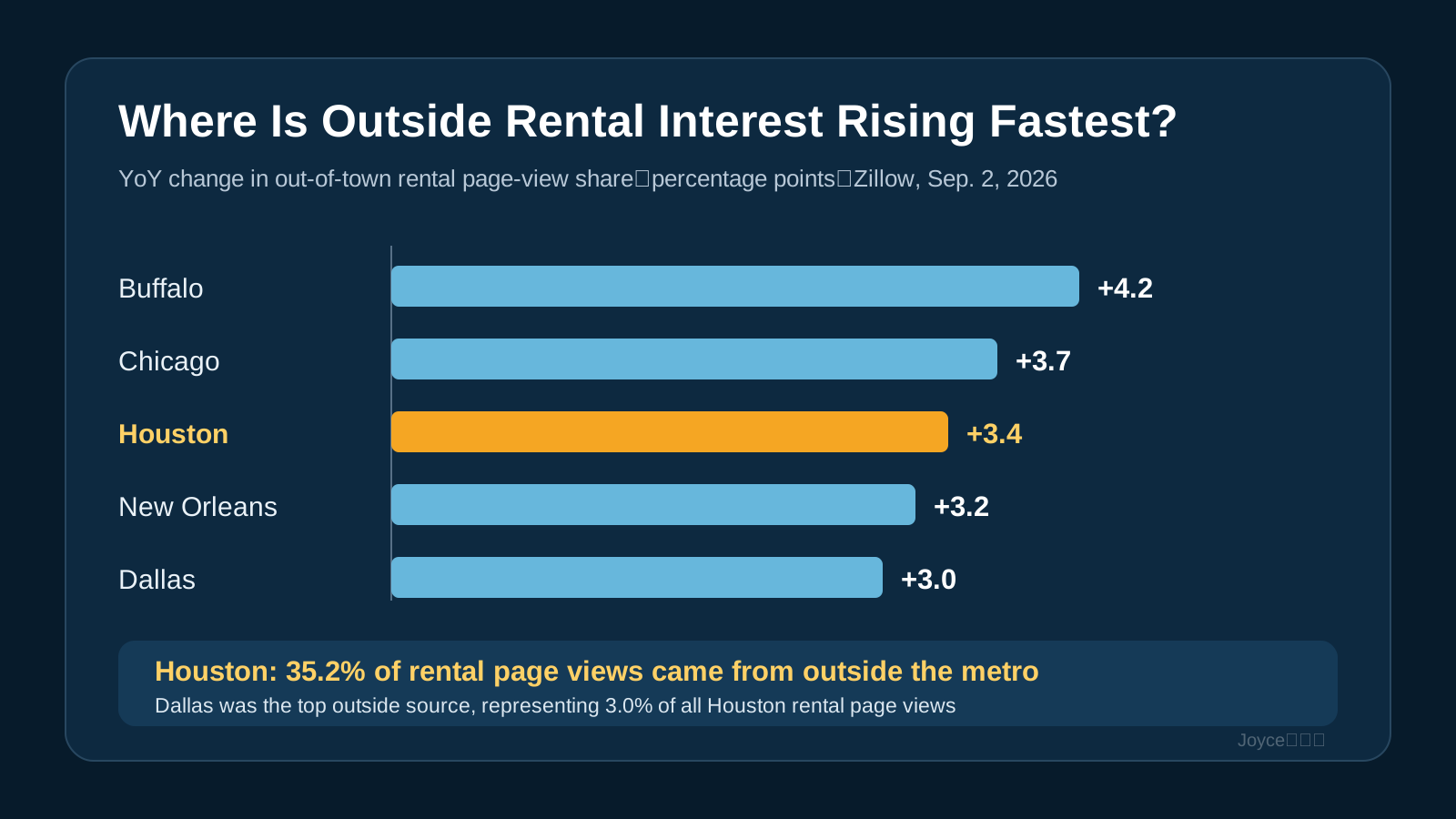
Source: Zillow Research, “Rental Search Patterns Offer a Window Into Where Relocation Demand May Be Heading”, published September 2, 2026.
Overall, 35.2% of Houston rental page views came from outside the metro. Dallas was the largest outside source and accounted for 3.0% of all Houston rental page views. Movement between Texas metros may be just as important to watch as long-distance relocation from the coasts.
Why do many newcomers rent before they buy?
Renting first can limit risk when someone does not know a city. Job fit, daily commute, summer weather, neighborhood routine and preferred housing type are difficult to understand through online research alone.
Zillow Chief Economist Mischa Fisher described renting as a way people try out a new community before committing. That makes sense to me. An interstate move is already a major decision; a newcomer does not have to lock into a home purchase before understanding the city.
A rent-first year should still be used intentionally. Test the real commute at different times, confirm school and tax boundaries by address, understand drainage and flood considerations, learn insurance costs, and notice which amenities become part of daily life. That produces useful information for a later purchase instead of a vague impression.
Houston is warming up, but it is not yet an established outside-search leader
Outside-metro views reached 59.0% in Raleigh, 55.1% in Hartford, 53.7% in New Orleans, and more than 51% in both Salt Lake City and Nashville. In those markets, outside views already outnumber local views.
Houston’s 35.2% is not at that level. I see it as a market being reconsidered by more people outside the region—clear growth in attention, with distance still remaining between a search, an inquiry and an actual move.
The important contrast: rising outside interest does not give landlords immediate pricing power
Zillow’s July 2026 rental report placed typical Houston rent at about $1,654, essentially unchanged from a year earlier. It also found that approximately 55.7% of Houston rental listings offered a concession such as free rent, waived fees or another incentive.
The figures are available in Zillow’s July 2026 rent report.
Both conditions can be true: outside interest is rising while renters still have substantial choice. For a landlord, search growth is a medium-term demand signal, not a reason to raise the asking rent today without checking the competition.
What I would do first as a Houston landlord
Price against recent leases for comparable homes in the same submarket, not only active asking rents.
Convert free rent, gift cards and waived fees into an effective monthly rent before comparing listings.
Use clear photographs, property-condition information, application steps and prompt replies because remote renters screen online first.
Describe verifiable commute, property features and lease terms without making promises about schools, safety or appreciation.
Track where inquiries originate and why prospects decline; that is more useful than page views alone.
Newcomers should compare more than monthly rent
Houston is geographically large. Two homes with similar rents can produce very different commute times, tolls, parking costs, utility bills and flood exposure. Saving $100 per month may not be a real saving if it adds an hour of driving every day.
Before applying, confirm the deposit, early-termination terms, repair responsibilities, pet costs, renter’s-insurance requirements, property-management contact and any minimum lease term tied to a concession.
How should buyers and investors use this signal?
For a newcomer, renting first does not automatically mean missing the market. It can turn assumptions about work location, lifestyle and housing needs into facts. When buying becomes realistic, compare the down payment, rate, property tax, insurance, HOA, repairs and intended holding period.
For a fuller cost review, read Buying a Home in Houston: What Costs Come Beyond the Mortgage Payment?.
An investor should not place the 35.2% search share directly into a rent-growth model. Houston contains very different submarkets. Address-level effective rent, concessions, days vacant, property tax, insurance, maintenance and future supply still drive the result.
If you are screening a first investment property, continue with Houston Real Estate Investing for Beginners: What Should You Check First?.
My view: this is a leading indicator, not an instruction to act
More outside rental browsing means Houston is entering more relocation searches. Over time, some of that interest may become in-migration, rental demand and later home purchases. Each step, however, depends on employment, rates, supply and individual life decisions.
I would not use one attractive statistic to tell landlords to raise rents, investors to rush into a purchase or newcomers to buy immediately. I use it as a reason to watch the direction of attention while keeping the actual decision anchored to a specific property, neighborhood and budget.
Frequently asked questions
Does 35.2% mean one-third of Houston renters came from outside the metro?
No. It is the share of Zillow page views on Houston rental listings that originated outside the metro, not the share of people who signed leases or moved.
Does the 3.4 figure mean the number of out-of-town renters grew 3.4%?
No. Zillow reported a 3.4-percentage-point increase in the outside share of rental page views.
Will more outside searches immediately raise Houston rents?
Not necessarily. Rent also depends on new supply, vacancy, concessions, income and the specific submarket. Zillow’s July 2026 data still showed flat annual Houston rent and a high concession share.
About Joyce Tang

Joyce Tang is a Greater Houston real estate agent and investor, co-founder of the North American Real Estate Association, founder of JoyHome and JoyNest, and co-leader of the Dr. Wang Real Estate Team.
She has helped more than 200 families buy or sell homes and has participated in more than 40 renovation projects. Her approach examines not only price, but also location, carrying cost, cash flow, risk and future exit options.
If you are planning a move to Houston, share your work location, rental budget, timing and the areas you are comparing. We can remove choices that do not fit the commute or total cost, then decide whether renting first or buying now makes more sense. Landlords and investors can also share a specific address for an analysis of competing listings, effective rent and carrying costs.
Data and disclaimer
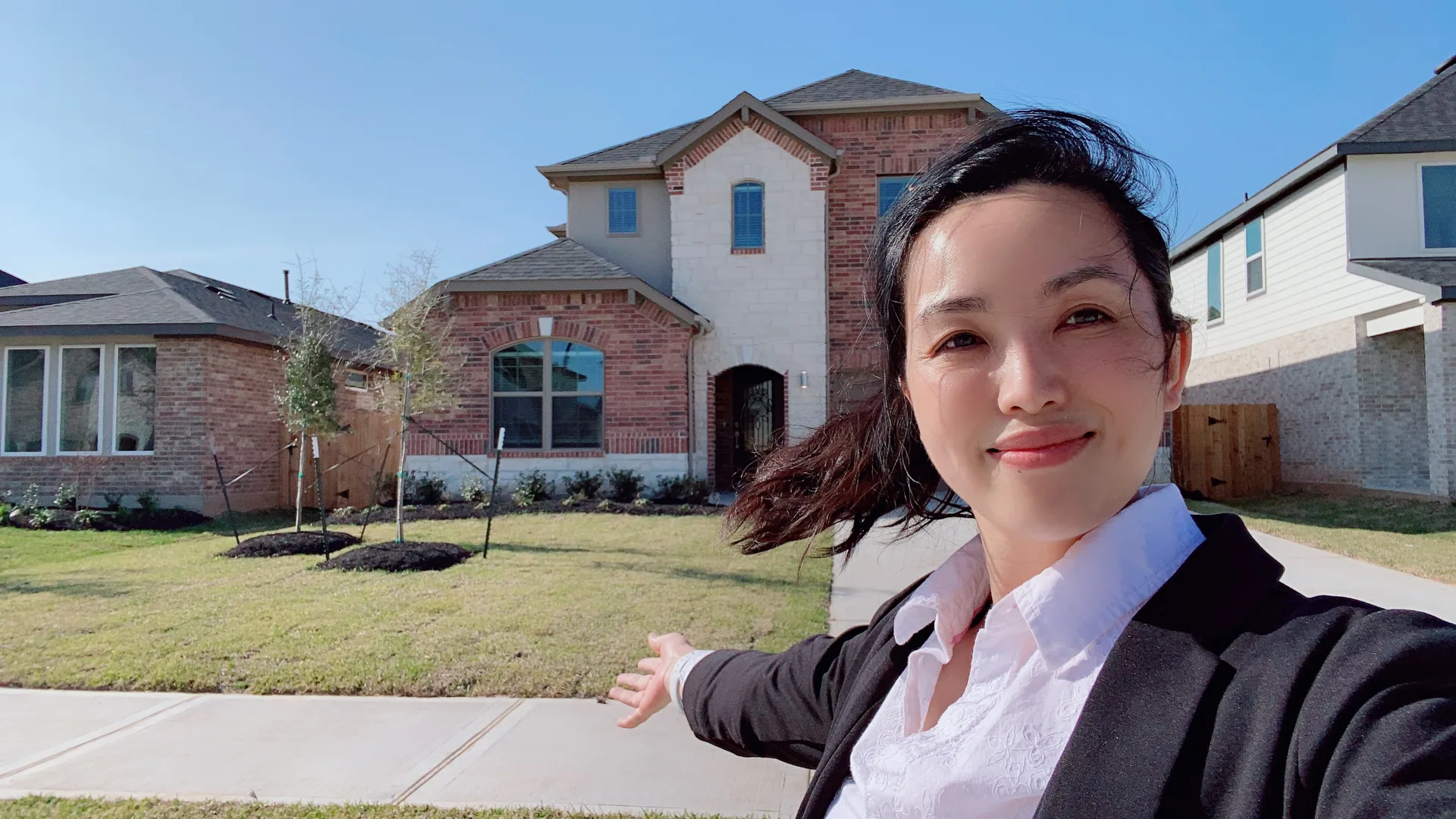
Rental-search figures in this article come from Zillow Research’s September 2, 2026 analysis. Rent and concession figures come from Zillow’s July 2026 rent report. Page views reflect search interest, not completed moves, signed leases or future home purchases. The cover is a real image of Joyce at a Greater Houston home; the chart was created from Zillow’s published figures.
This article is general market education, not investment, lending, tax, legal, insurance or landlord-tenant legal advice. It does not guarantee rent, occupancy, appreciation or relocation trends. Verify the exact address, lease, property condition, school boundary, flood information, insurance, taxes and applicable local rules.
By Joyce Tang | Serving Greater Houston, Texas.