
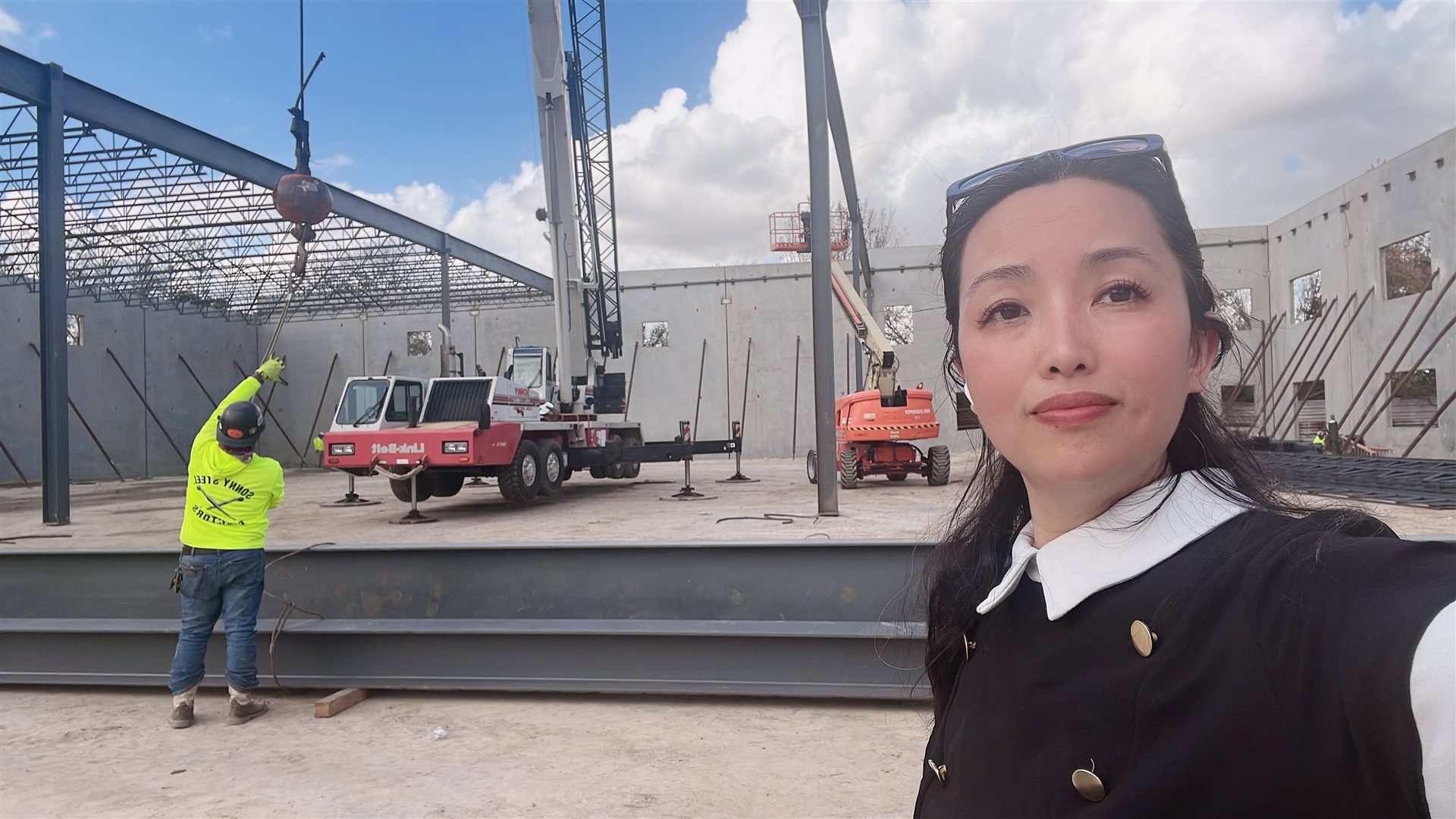
When I review a real estate development, I do not start with the projected return. I start with a harder question: if approvals slow down, construction slips, costs rise and financing tightens, can the project still survive?
A recent roundtable on real estate development strategy and risk management covered land acquisition, construction lending, contractor management, modular building, capital structure and affordable housing. Instead of reproducing the meeting notes, I want to use that discussion to explain my own test: a development team is not proven by how attractive the best-case model looks, but by whether the downside is recognized and funded before work begins.
A high-return spreadsheet is easy to build. The harder task is keeping a project alive when time, money and construction problems arrive together.
My first judgment: much of the profit is created when the land is acquired
Development profit rarely begins after construction. A large part of it is determined when land price, permitted use, density and infrastructure obligations become known. An off-market parcel is not valuable merely because it avoided a listing platform. The buyer still needs local knowledge: what may be built, where demand comes from, and what roads, utilities, drainage and site work will cost.
A price below nearby asking prices can reflect an information advantage, but it can also reflect a problem that someone else already found. I want written confirmation of zoning and restrictions, realistic buildable area, flood and environmental conditions, utility access, geotechnical and civil work, and the cash required between acquisition and groundbreaking.
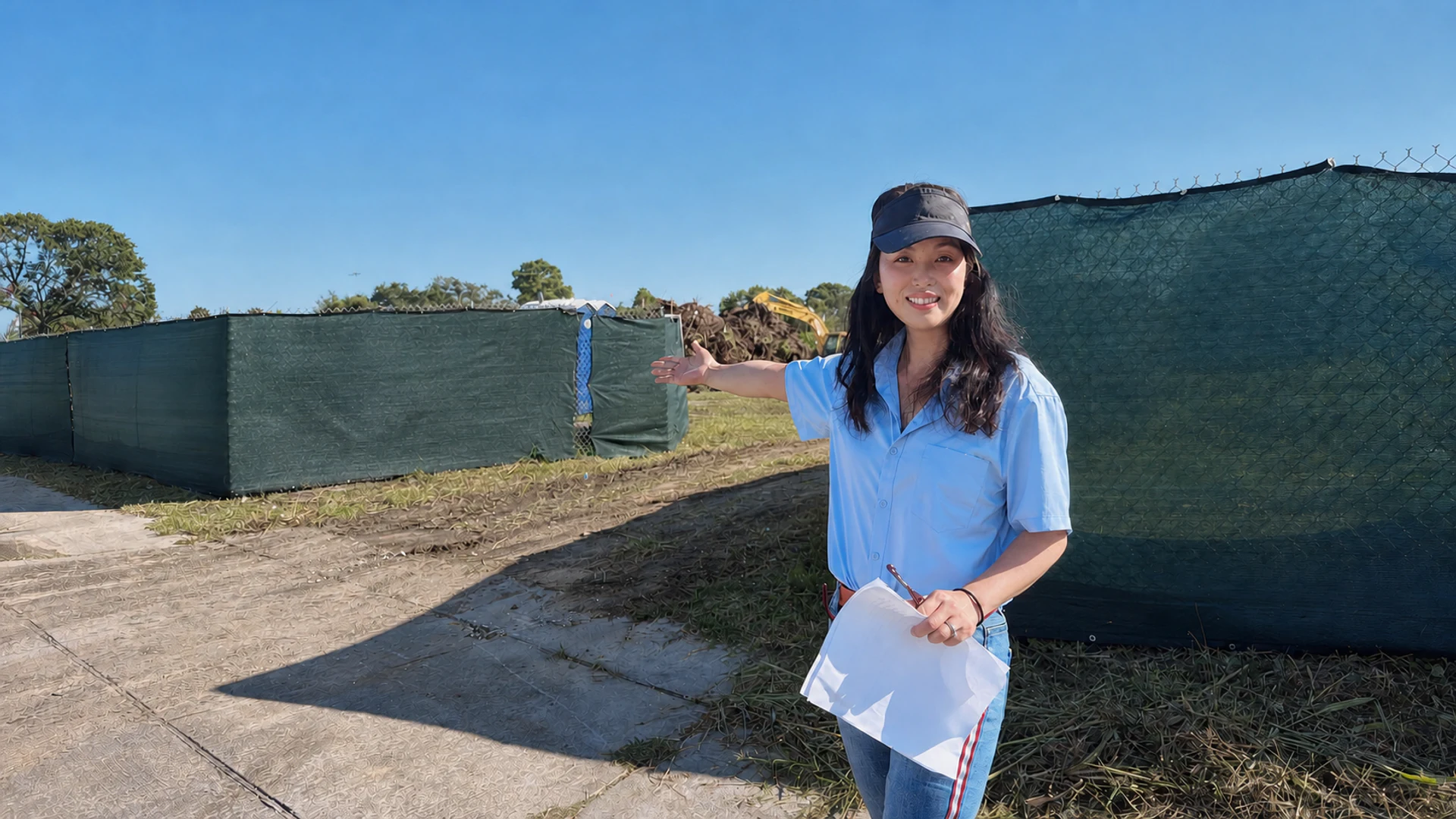
Joyce at an active Greater Houston land-development site. Site conditions and infrastructure obligations can matter more than the headline price per acre.
Time is the force that multiplies development risk
One delay rarely creates only one loss. A three-month permitting delay extends interest and carrying costs. A contractor may lose its place in the schedule. Materials can arrive too early or too late, creating storage, rework or downtime. By the time the property is ready, the leasing or sale window may also have changed.
That is why I treat time as a cost, not simply a date on a schedule. Beyond the base budget, I want to know what happens when rates rise, construction runs longer, rents or sales prices fall, or absorption slows. The important question is how much cash remains available under those conditions.
A construction loan is also an external control system
One practical point from the roundtable was that construction debt is commonly funded through draws tied to completed work. Lenders may review inspections, invoices, lien documentation and budget changes before releasing funds. Developers often see the draw process as friction, but it also creates repeated third-party checks on whether money corresponds to actual progress.
That control does not guarantee success. A project can still run short of cash when the original budget is too tight, completed work is disputed, or lender draws do not align with contractor, factory or material-payment deadlines. A sound capital plan needs to coordinate equity, contingency, interest reserves, draw timing and the rules for additional capital.
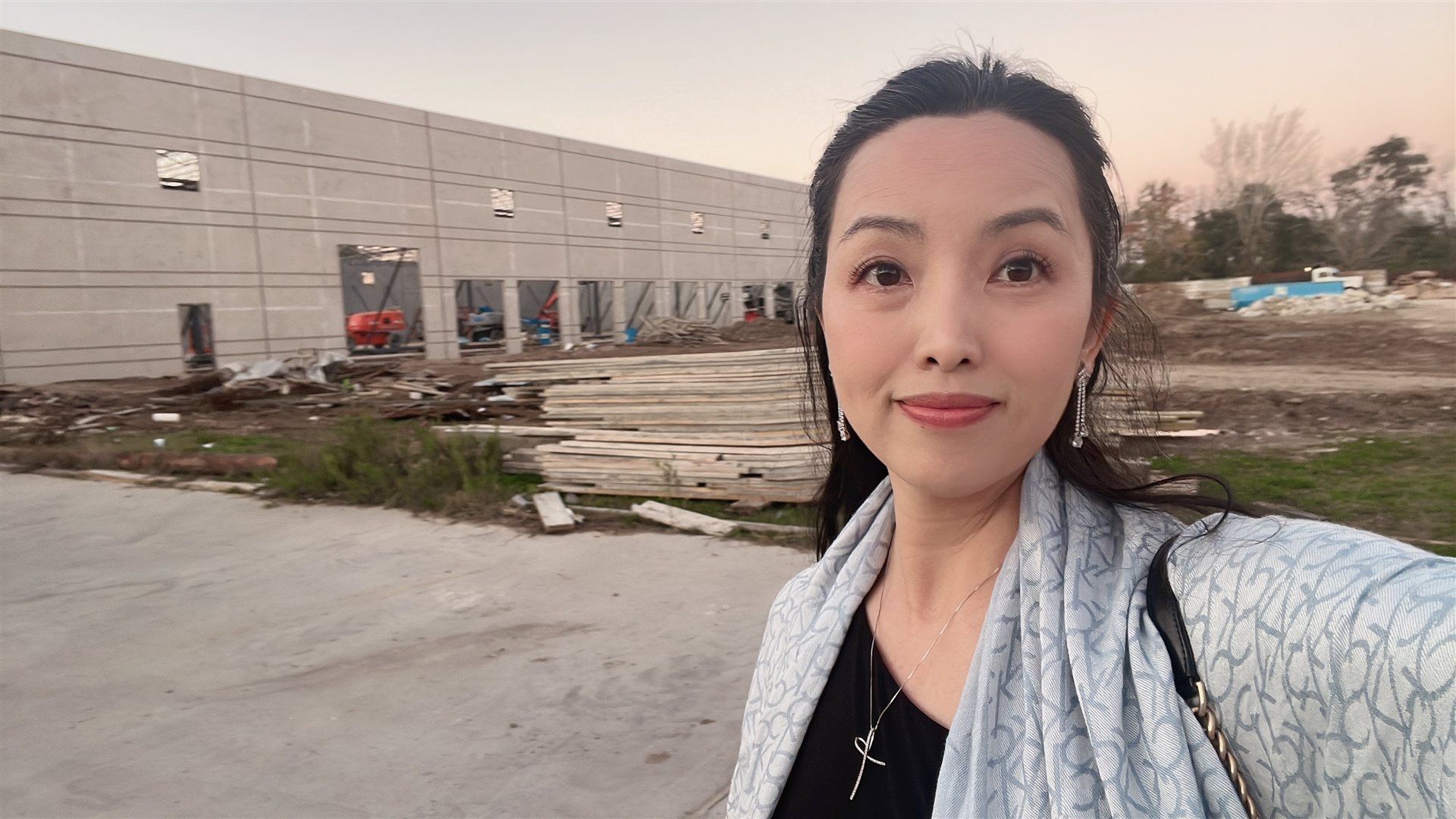
Joyce at a Greater Houston commercial-construction site. Development cash flow depends on keeping field progress, contract payments and lender draws aligned.
The lowest bid is often not the lowest total cost
It is easy to focus on contractor pricing. The expensive part of construction management, however, is often missed work, rework and poor communication. A lower-priced team that cannot hold a schedule, document completed work or manage change orders may erase the difference through delay and conflict.
I care about who owns the result, who can approve a change, how quickly a field issue must be reported, what inspection supports each payment, and whether insurance and lien documentation are current. Reliable local subcontractors bring more than relationships. They understand local inspections, weather, supply conditions and labor constraints.
Modular construction moves risk; it does not remove it
Modular construction can run factory production in parallel with foundations and site work, reducing part of the field schedule. At the same time, it moves more decisions into design freeze, factory capacity, transport, setting and payment timing. A factory may require substantial payment before the site reaches an equivalent stage, and a dimensional error can involve the factory, carrier, foundation and installation team at once.
I therefore do not begin by asking how much modular construction saves. I ask whether it reduces the most important risk in this specific project. It can be valuable for repetitive, schedule-sensitive work, but it may be a poor fit for highly customized projects, difficult transport routes or designs that continue changing.
I examine that question in more detail in My View of Modular Construction: Faster On Site Does Not Mean Simpler.
Returning principal is not the same as completing an exit
Some projects refinance after construction and stabilization, return part of the investors’ original capital and continue holding the property. That can be a valid strategy, but receiving principal and fully exiting are different events. Investors should still understand what equity remains, how much new debt was added, whether cash flow covers it, and who supplies capital if valuation or rates move against the plan.
I also do not assume that a sponsor who waives a management fee is automatically aligned with investors. Alignment depends on the sponsor’s real cash at risk, the distribution waterfall, preferred returns, guarantees, related-party transactions and who absorbs losses first.
For a closer look at how capital actually comes back, read Is More Liquidity Always Better in Real Estate? I Start With the Exit.
Securities compliance cannot be reduced to “everyone knows each other”
When multiple passive investors contribute capital to a sponsor-managed real estate venture, securities laws may apply. The SEC’s Rule 506(b) private-placement exemption prohibits general solicitation and imposes conditions involving investor eligibility, disclosure and state notice filings.
The appropriate exemption, eligible investors and permitted marketing should be evaluated by securities counsel for the actual structure. See the SEC’s official Rule 506(b) overview.
Affordable housing is not automatically low risk because a public program is involved
Affordable-housing projects may serve durable demand and may receive land, tax or financing support. They can also carry rent restrictions, tenant-eligibility rules, compliance periods and ongoing reporting. HUD Fair Market Rents and HOME Rent Limits serve different purposes, and the controlling agreement for a specific project may impose additional rules. A developer cannot simply substitute area market rent for the rent the property is legally allowed to charge.
Rent and program diligence may begin with HUD Fair Market Rents and the
HUD HOME Rent Limits, but the project documents and administering agency remain controlling.
My first-pass development checklist has ten questions
Are permitted use, density, restrictions and infrastructure obligations confirmed in writing?
Does the budget include soft costs, financing fees, interest, insurance, taxes and a realistic contingency?
How much additional cash is required for every three months of delay?
Do lender draws align with contractor, factory and material-payment milestones?
Who owns schedule control, change approval and field reporting across the design and construction teams?
Are revenue assumptions supported by contracts and verifiable market data, or by a best-case target?
Can the property service debt if rent, price or absorption falls short?
What conditions are required for refinance, sale and long-term hold strategies?
Are transfer limits, distribution priority, capital calls and loss allocation clear to investors?
Who is responsible for securities, tax, building, environmental and housing-program compliance?
These questions are less exciting than a projected annual return, but they are much closer to the truth about whether capital can come back safely.
My conclusion: understand how the project can break before measuring how much it can earn
Development is not simply land acquisition, financing, construction and leasing performed well in isolation. The hard part is making every piece operate on the same schedule and cash-flow plan. A problem in one area transfers pressure to the next.
I therefore begin with the likely failure points: who can see them, who has authority to respond, and how long the capital can support the response. Only after those questions have credible answers does the return projection become meaningful.
Frequently asked questions
Is a higher projected development return always better?
No. A higher return may come from more leverage, a more optimistic sales price or an unrealistically short schedule. Cash requirements, delay tolerance and exit conditions must be evaluated with it.
Does a construction lender make the investment safe?
No. Draw controls and inspections add oversight, but a lender does not absorb cost overruns, market changes or operating failure for investors.
Is the investment risk-free once principal is returned through refinancing?
No. Refinancing changes the debt and cash-flow profile while the investor may still retain equity in the property. The new loan, debt coverage, guarantees and final exit still matter.
About Joyce Tang

Joyce Tang is a Greater Houston real estate agent and investor, co-founder of the North American Real Estate Association, founder of JoyHome and JoyNest, and co-leader of the Dr. Wang Real Estate Team.
She has helped more than 200 families buy or sell homes and has participated in more than 40 renovation projects. Her approach examines not only price, but also location, carrying cost, cash flow, risk and future exit options.
If you are evaluating land, redevelopment, multifamily or commercial development in Greater Houston, you can share the address, intended use, budget and timeline with me. We can organize the site conditions, cash requirements, construction controls and exit path before focusing on the return number.
Sources and disclaimer
This article was prompted by a September 6, 2026 roundtable on real estate development strategy and risk management and adds Joyce’s analysis to public SEC and HUD guidance. Individual project, rent, schedule and return statements made during the discussion were not independently audited for this article and do not represent typical results or future performance. The cover and article photographs show Joyce at actual Greater Houston land and commercial-construction sites.
This article is general educational information, not investment, securities-offering, architecture, engineering, lending, insurance, tax or legal advice. A specific project should be reviewed by qualified counsel, accountants, architects, engineers, contractors, lenders, insurance professionals and the relevant authorities.
By Joyce Tang | Serving Greater Houston, Texas.